

The PMA Briefing
Conflicting ideas for public media
25 February 2025
As Canada’s two major parties draw battle lines over their position on the future of the CBC, the Czech government’s plan to increase Czech TV’s funding is stymied, and unions bemoan the French government’s plan to merge the country’s public media system. Plus: the BBC is suspended in Azerbaijan, and a new bill to shake up the ZBC.
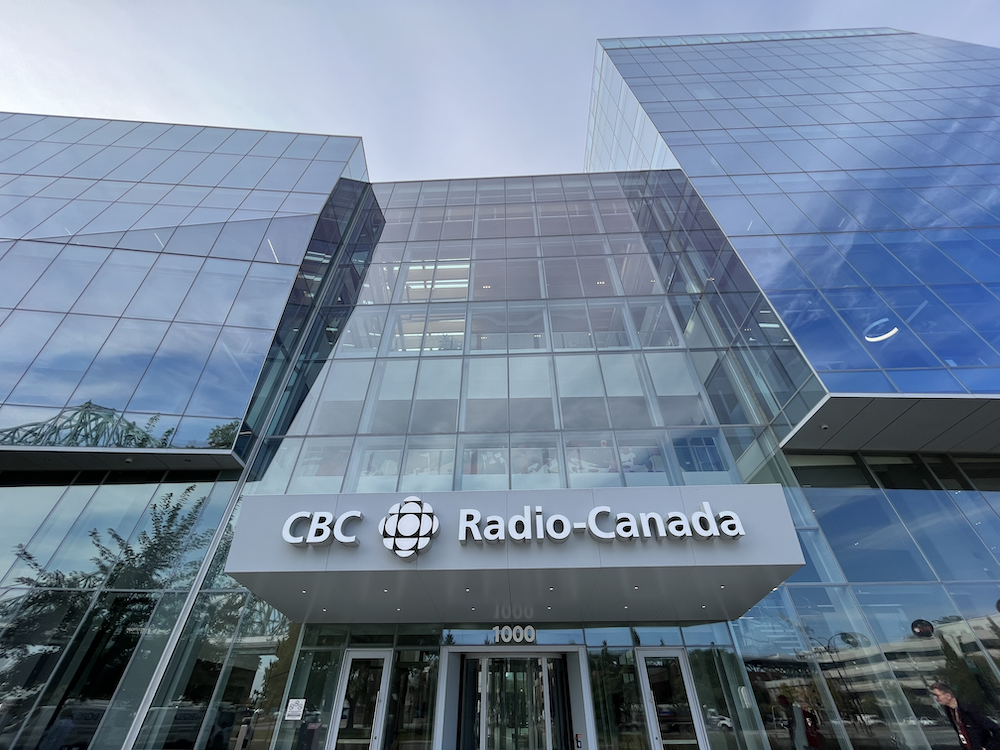
Canada: Battle lines drawn over CBC’s future
The political polarisation over the future of CBC/Radio-Canada came to a head this week, with the incumbent Heritage Minister pitching a new vision for the public broadcaster that includes a hefty funding increase. The Conservative opposition, meanwhile, doubled-down on plans to cut the broadcaster over what he called wasteful spending.
In a speech this week, Heritage Minister Pascale St-Onge announced a plan to overhaul CBC/Radio-Canada, which she said was “at a critical crossroads” but remained vital to Canadian story sovereignty, adding that it was “a national security issue” that so much of what Canadians consume was generated elsewhere. She said its funding should be boosted significantly. Any change is unlikely to happen before the election, and the Heritage Minister is not standing for re-election.
Conservative leader Pierre Poilievre has long promised to defund CBC but keep its French-language service, Radio-Canada, saying there is no need for English-language content because other broadcasters can fill the void, pointing to low TV ratings.
Canada is due to hold elections this year, and current polls have the Conservative party in the lead, although that margin has narrowed in recent weeks.
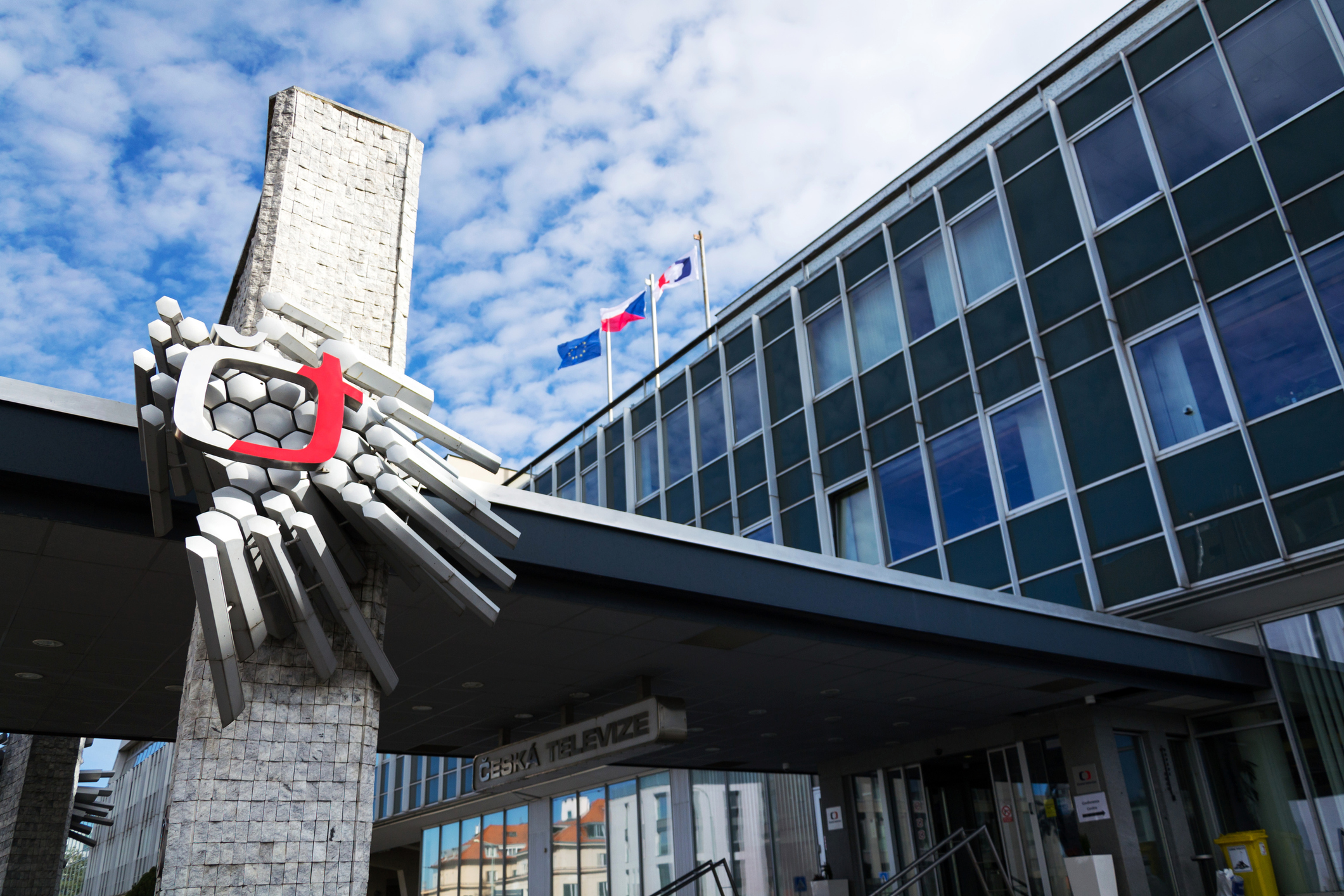
Czech Republic: Decision over licence fee postponed again.
Reporters Without Borders (RSF) has called on Czech policy makers to ensure a stable and sustainable funding system for Czech Television (ČT) and Czech Radio (ČRo).
On 12 February, the Chamber of Deputies, the lower house of the Czech Parliament, approved the increase of the public broadcasting licence fee, but the final decision that was supposed to be taken by the government a few days later was obstructed by the opposition.
The Media Committee chairman, Patrik Nacher, who is also MP for the right-wing populist party ANO, said that one of the solutions would be for Czech public media to be funded directly from the state budget. This has been backed by both the ANO leader Andrej Babiš, as well as right-wing SPD party leader Tomio Okamura, who accused ČT of “censorship” and “spreading Brussels propaganda”, claims RSF denounced as “baseless”.
While Babiš has continued to argue for a merger of ČT and ČRo and a focus on informing over entertaining to cut costs, Minister of Culture Martin Baxa maintained that the increase of the licence fee would amount to a manageable additional cost of just CZK 25 (approx USD 1) per month for 3.3 million households. The fee for ČT has not been adjusted since 2008, and for ČRo, since 2005. The amendment would look to provide indexation for the licence fee, so as to protect funding security.
Negotiations on reforms to the Broadcasting Law are continuing, with the next vote expected in the beginning of March.
France: The public broadcasting reform disputed by unions.
The reform of the French public broadcasting system, which would see the creation of a holding company overseeing the four existing public media institutions, has been met with disapproval by trade unions.
In mid-February, unions across the public broadcasting sector expressed their concerns over the reform project, and said it was ”the wrong approach and the wrong solution if we really want to strengthen our media nationally and abroad”.
According to the joint unions, the plans to create an umbrella holding company could weaken the public broadcasters’ editorial line. The letter argued that public service media in France have rarely been so strong, and that the local branches of each public media institution play a key role in the fight against mis- and disinformation. For the Unions and the 1800 signatories, the “rationalisation” of public service media driving the reform would be a risk to the quality of the public broadcasters’ work.
In January, the Minister of Culture announced the reform would be decided by the end of the summer.

Azerbaijan: BBC among casualties of media crackdown
The Azerbaijan government has ordered the suspension of the BBC’s local operation as part of a wider crackdown on media freedom.
The BBC said in a statement it had made the “reluctant decision” to close its Azerbaijani operation following verbal instruction from the Ministry of Foreign Affairs, adding that it “deeply” regretted the “restrictive move against press freedom.” The BBC said it had received nothing in writing from the Azerbaijani government and was seeking clarification via a number of channels. Launched in 1994, BBC News Azerbaijani reached about one million people every week and its audience had been increasing.
Meanwhile, an influential local news organisation, Turan, has drastically downsized its operations. Turan was reportedly the last independent media outlet that still had offices inside Azerbaijan, but in a letter, its director said it was having to make cuts because of financial difficulties.
Zimbabwe: New licence fees and new regulatory environment
Digitisation, regulatory change and a new mandatory radio licence are proposals being put forward for the Zimbabwean Broadcasting Corporation (ZBC). According to the state-owned newspaper, The Herald, the Broadcasting Services Bill would mean all motorists would have to buy a radio licence before they could then get insured. The Bill is currently in its second reading in parliament.
The announcement came during a tour of the ZBC and the Zimbabwe Media Commission (ZMC) by the Ministry of Information, Publicity and Broadcasting Services, and the Parliamentary Committee on Media. It comes after new leadership was appointed to the ZBC in January.
In addition to the radio licence fee, the tour was organised to engage ZBC and ZMC on how the regulatory environment can be adapted to benefit the broadcasting sector. “This amendment really matters to us, as we see, as the proposed amendments will expand our revenue base and ensure a steady flow of funds that is crucial, as they seek financial stability,” said ZBC Board Chair, Helliate Rushwaya.

Featured Image:A white van parked on the road with the Czech TV logo. Credit: Harry Lock
Related Posts
How to make news sustainable | The PMA Briefing
Concerns arise as Australia's gov't new…

Restructures & reforms take hold | The PMA Briefing
Argentina’s gov't maintains oversight…
Funding cuts, and the threat of funding cuts | The PMA Briefing
While the BBC has announced new cuts at…

Public media in the eye of the politicians | The PMA Briefing
Politicians have weighed in on funding…