

Five PSM stories from the New Year break
6 January 2025
The period over Christmas and New Year saw many significant developments – both good and worrying – in public media around the world. In Georgia and the United States, the role of public media and its institutions have been threatened, while in Canada, audiences continue to grow. Here are five stories that have happened in the past two weeks.
European Commission weighs in on Finland’s public media dispute
The European Commission sided with Yle in a dispute over the public broadcaster’s digital offerings. The country’s largest private media company, Sanoma, had taken a case arguing that Yle’s public funding model gave it an unfair advantage in digital streaming. However, in December, the Commission said it found no evidence Yle’s streaming service violated market rules or gave it an unfair advantage. The Finnish government, in backing Yle, said its mandate included providing universal access, fostering cultural and linguistic diversity, and supporting media literacy – all of which justified its state funding. The situation in Finland was just one example of private media in Europe looking to limit public media offerings online, but the Commission’s ruling could be precedent-setting for similar disputes. It comes after research in Switzerland was published last year, which found “no evidence that SRG SSR is crowding out private media in the information sector”.

Georgia’s political crisis impacts public broadcaster
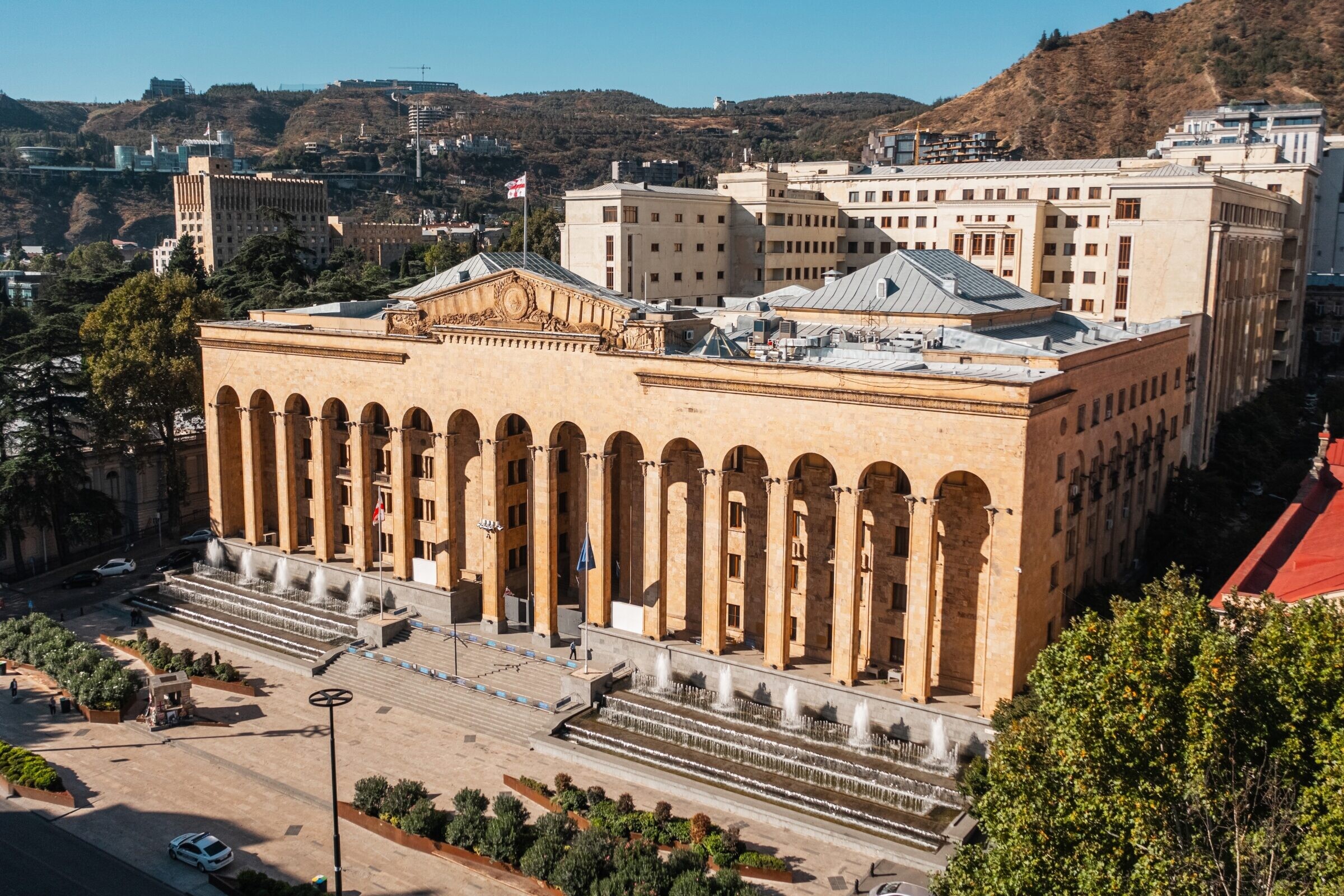
With thousands of Georgians taking to the streets of the capital, Tbilisi, and many other cities in recent weeks, the situation in the country has prompted cause for concern. Amid the political crackdown in the wake of disputed elections and the government’s decision to suspend negotiations to join the European Union, journalists in Georgia have faced violence, threats, and arbitrary detention, according to many media freedom organisations. This comes amid a rapid decline in press freedom and a wider erosion of democratic freedoms, and fears about the state capture of the Georgian public broadcaster, 1TV. In mid-December, the broadcaster said it “found itself in a difficult situation” and was being asked “to deny its fundamental essence, violate the law, and turn into a party.” Another statement on 24 December said it had been “operating in emergency mode” for three weeks, but was still facing political pressure. The statement, however, said 1TV “remains committed to fundamental values, primarily justice and journalistic principles – airtime should be devoted to all important topics and public discussions should be organised, which, in our opinion, serves to bring positions closer together, not to radicalise them.” A protest, where calls were made for 1TV’s management to resign, was held on 29 December.

What does Trump mean for US’ public media?
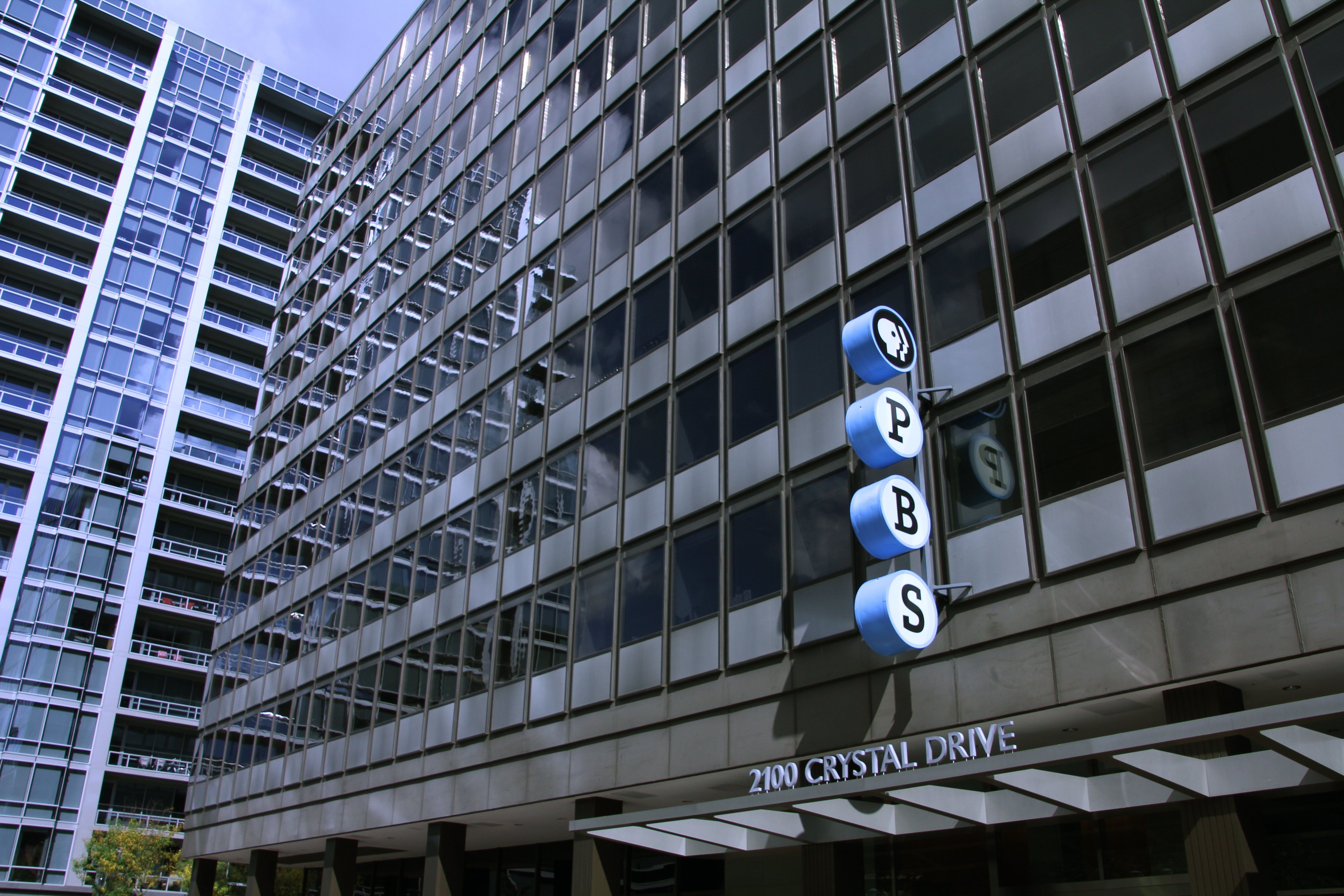
Threats to American public media from the incoming Trump administration continued in recent weeks, with the New York Times reporting that NPR member stations have circulated a report warning that “it would be unwise to assume that events will play out as they have in the past” where future funding is concerned, and PBS board members receiving an update from political consultants about its future. Both NPR and PBS have overcome threats for decades, but this year the “attention and intensity” of the calls to defund public media seem greater, said the chief executive of one member station.
Radio still strong in Canada
In newly-published data, eight in ten Canadians still listen to traditional radio, with many of them turning to the national public broadcaster. In 14 out of 17 markets, CBC/Radio-Canada had the most listened-to morning show, with 12 of 17 being the most popular stations with the number of people tuning in across Canada continuing to grow.

New chair of the GTF
Just before Christmas, it was announced that the director general of the German public broadcaster ZDF, Dr Norbert Himmler, will become the new chair of the Global Taskforce for Public Media (GTF). The GTF is made up of seven global broadcasters to promote and defend the values of public media. Dr Himmler will take over from Catherine Tait, the former chair and CEO of CBC/Radio-Canada. “Public service media are under increasing economic and political pressure all over the world. That is why we must speak with one voice across borders and continents, and strengthen our cooperation wherever possible,” Himmler said.
Related Posts
An existential threat for US public media?
Statements and appointments by the…

Media Freedom Coalition statement on Transparency Law in Georgia
The Media Freedom Coalition has…
Georgia: GPB funding future up for debate
A new funding model for the GPB seems…
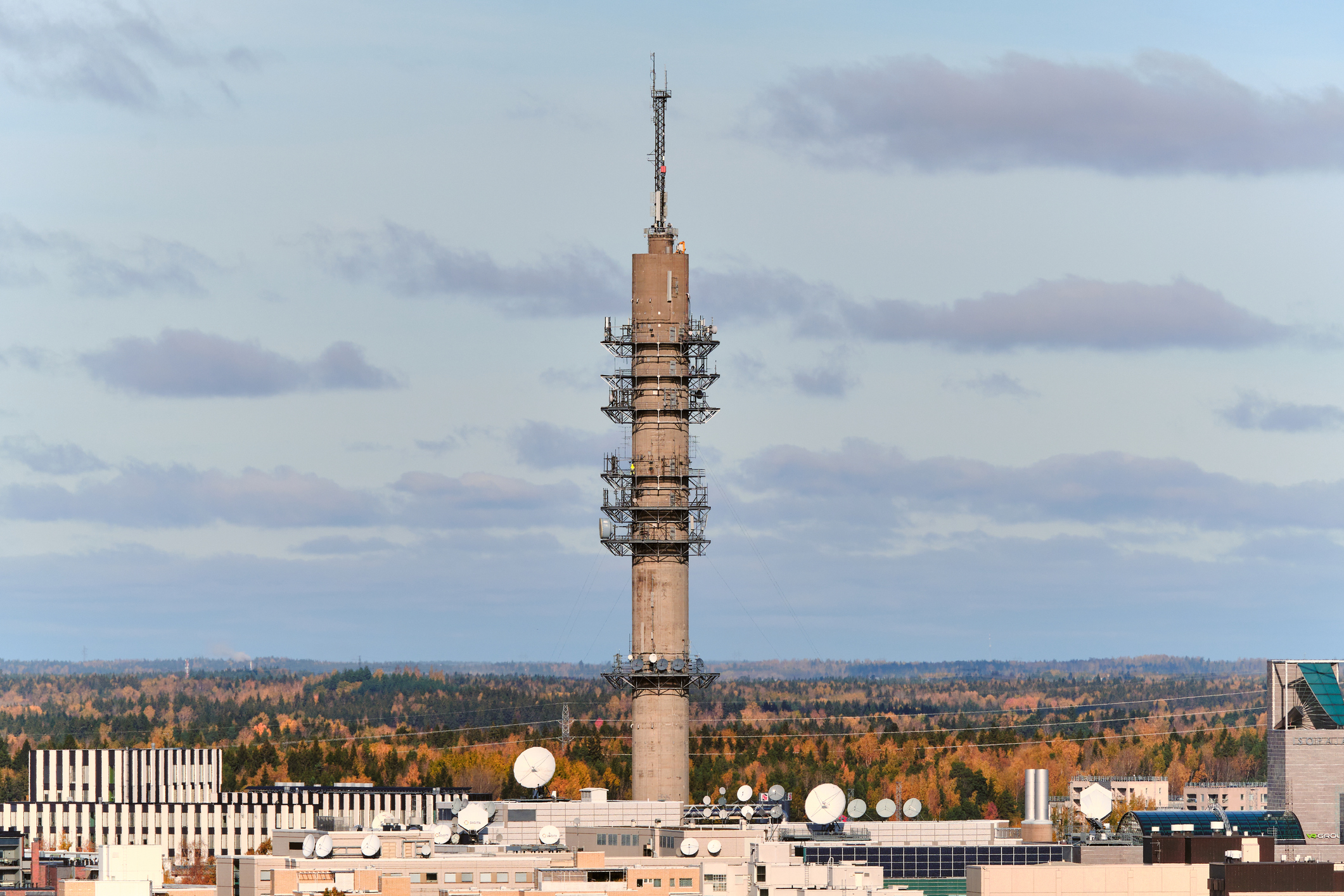
Finland: Law amendment imposes restrictions on Yle textual content
The Finnish Parliament has approved an…