

ANALYSIS
How Israel’s government is putting pressure on KAN
6 February 2025
Through a series of proposed bills, the Israeli government has tried to interfere with the governance, funding and ownership of the country’s public service broadcaster.
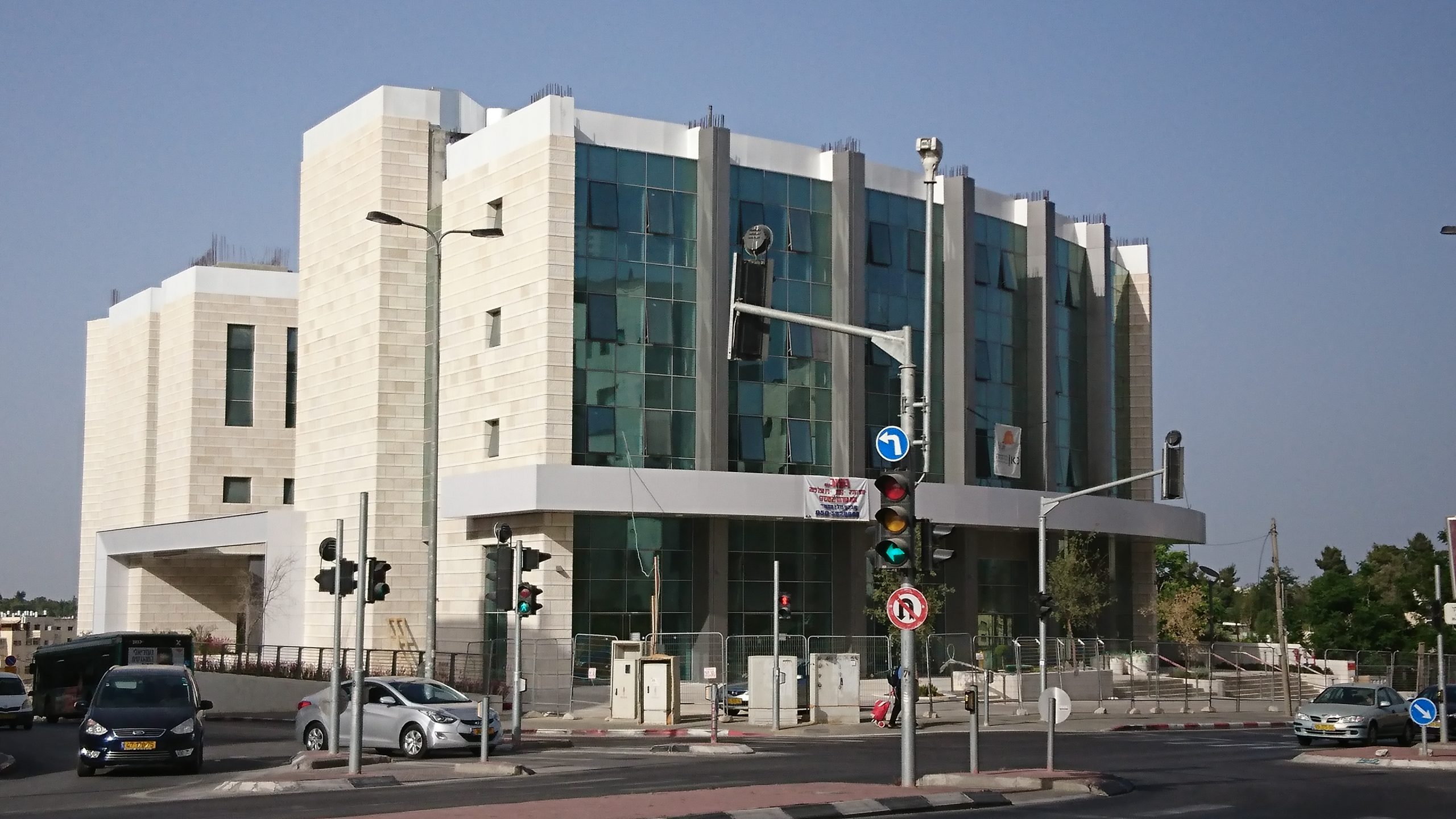
Israel’s public broadcaster, KAN, is under pressure from the government with its future increasingly uncertain amid threats of privatisation, questions over its future funding, and decisions that have brought the board under direct government control.
In November, ministers put forward a bill that would have privatised the broadcaster in a concerning move that journalists’ unions said was a deliberate attempt to undermine freedom of the press.
That prompted a warning from the European Broadcasting Union which warned that any such move would undermine democracy, even imperilling Israel’s future participation in the Eurovision Song Contest.
“Shutting down the IPBC, taking control or reducing its budget, would signal a departure from the standards upheld by democratic nations worldwide and risk eroding not only domestic confidence but also international credibility,” the EBU’s letter said, according to the Times of Israel.
Communications minister Shlomo Karhi, however, insisted that any changes for KAN were about increasing competition.
“Public broadcasting was required in the last century; today there is no justification for funding such a product at public expense, certainly not in news and current affairs,” he said, adding that he saw the public broadcaster as “propaganda” and its broadcasts as “biased” and “offensive”.
The Bill was ultimately stymied by an influential member of the government, David Bitan, who said he wouldn’t allow it to pass. “I can’t advance this bill for a simple reason — public broadcasting is necessary,” Bitan said.
According to the Bill, KAN would have been put to tender and if a buyer could not be found, the broadcaster would be completely shuttered. However, Karhi has said he would move to pass the bill through other channels.
Subscribe toour newsletter
Keep updated with the latest public
media news from around the world
Karhi has been the leader of a series of legislative moves that critics say will erode the free press, including efforts to grant the government oversight over television ratings data, privatise Army Radio and boycott the left-wing Haaretz newspaper.
“My vision for public broadcasting is no news and current affairs funded by the public. When they say I want Russia, it is exactly the opposite. Channel 11 will be dedicated to original productions and Israeli creations only,” with the government allocating NIS 500 million (USD135 million) for such content, Karhi was recently quoted by the Times of Israel newspaper.
Also late last year, there was a standoff between Karhi and the High Court over the appointment of two board members to KAN, whose terms lapsed in November and were not replaced. The High Court said it would extend the terms of those board members, but this was rejected by Karhi, who argued only he as Communications Minister had the authority to make such a decision.
“I can’t advance this bill for a simple reason — public broadcasting is necessary” – David Bitan, Israeli MP
Currently, the board is appointed by an independent selection committee with three representatives and a former judge as its chair, and not the government. However, two chairs have resigned due to various scandals and a new chair has not yet been appointed.
The board has a significant role at KAN, in charge of appointing senior officials to the public broadcaster, determining its working procedures, setting its policies, and approving its annual plan, which it has not been able to do without a full quorum of seven members.
That ultimately led to last week, when the government approved another proposal that would see the governing boards of public broadcasters appointed directly by the government, with the approval of the communications minister. The bill’s sponsor, Osher Shekalim, argued that the public broadcaster was currently being run without proper oversight by the council, so the change was needed.
Other bills currently making their way through the Knesset would compel Kan to justify its decisions to the Knesset Economic Affairs Committee on an annual basis and give the government direct instead of indirect control over the broadcaster’s budget.
All the Bills and policies recently put forward by Israel’s government, taken together, appear like an attempt to diminish, if not erase altogether, public broadcasting in Israel at a critical time when fair and balanced scrutiny is most needed.
The bringing of the board closer to government control is also deeply worrying for KAN’s independence, and concerns are rightly being raised. How a public broadcaster is governed, and the mechanism by which members of the governing body are appointed (and the level to which political representatives have a say over who is appointed), is one of the fundamental pillars protecting the independence of the public broadcaster from political interference. Any efforts to alter this mechanism to give political representatives more direct control is of great concern.
Related Posts
Israel: Proposed reforms increase pressure on media
Following the much-condemned judicial…
Israel: Kan threatened with privatisation
The new Communications Minister has…
Focus on PSM | Israel
Since last summer, Israel's public…