

UK government announces licence fee increase
5th December 2024
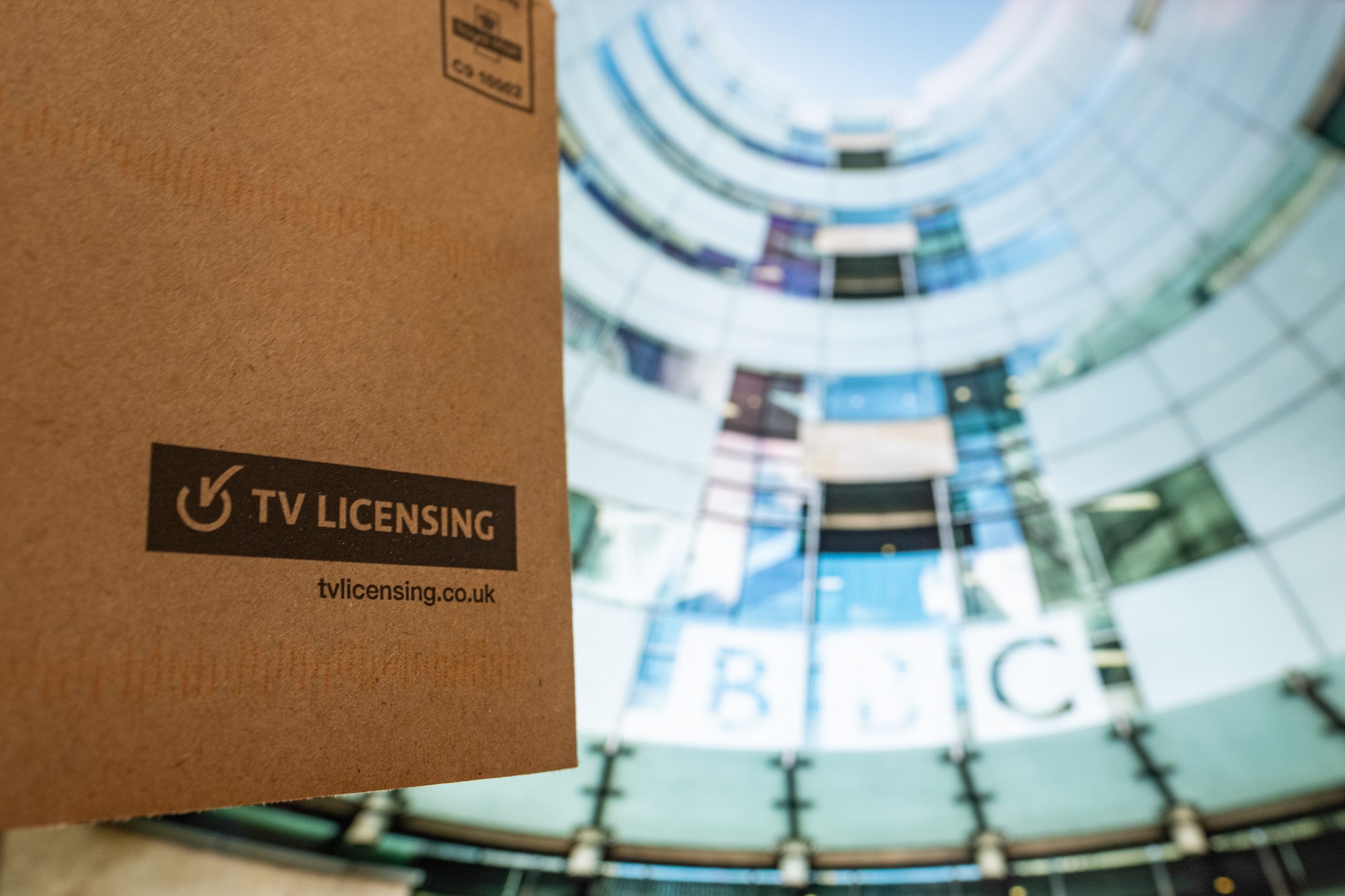
The UK government has announced that the licence fee which funds the BBC will be modestly increased this year, while a further review is conducted into how the public broadcaster is funded.
IN BRIEF:
- The UK government has confirmed the licence fee which funds the BBC will increase by £5 next year, and will go up in line with inflation until 2027.
- The Licence Fee Review which was formed under the previous government has been disbanded, and a new Charter Review has been launched.
- It comes after the BBC World Service received a funding increase from the government.
IN FULL:
In 2025, UK households will pay £174.50 per year, an increase of £5. That will increase each year in line with inflation until 2027, following an agreement made in 2022. The government said thousands more households will be offered support to pay the licence fee through various payment plans.
In a statement, the Secretary of State for Culture, Media and Sport, Lisa Nandy, said there would also be “an honest national conversation about the broadcaster’s long-term future.”
Read more: Budget boost for BBC World Service
Calling the BBC a “vital British asset”, Nandy said it was essential it received “ongoing and sustainable public funding,” announcing that ministers would review the BBC’s governing charter to examine its future funding.
To begin this new review, the government has ended the previous government’s BBC Funding Model Review, and its expert panel has been disbanded.
Nandy added that as the media sector undergoes a generational shift, it was vital that the BBC “must adapt and be supported to do so.”
“[The Charter Review] will look at a range of issues and, as a priority for this Government, will start a national conversation to make sure the BBC truly represents and delivers for every person in this country. Charter Review will also look to uphold the BBC’s independence and ensure that it maintains the trust of the public.”
Nandy said the government is keeping its options open regarding any future funding model.
Listen toour podcast
Uncovering and exploring the biggest
issues facing public media

In a statement, a BBC Spokesperson said: “We welcome confirmation that the licence fee will increase in line with inflation next year. We want everyone to get value from the licence fee and we are committed to delivering trusted news, the best homegrown storytelling and those special moments that bring us together.”
The announcement came in the same week as the UK’s media regulator, Ofcom, released its annual report into the BBC, finding that “generally” it was delivering well for listeners and viewers, continuing to be the most-used media brand across TV, radio and online. It was also viewed favourably by 61 percent of adults.
“[The Charter Review] will look at a range of issues and … will start a national conversation to make sure the BBC truly represents and delivers for every person in this country.” – Lisa Nandy, Culture Secretary
However, it also found the BBC was struggling to reach certain audiences, particularly those from lower socio-economic backgrounds. It also said it wanted to see the broadcaster build on its media literacy initiatives.
BBC World Service
The increase comes after an announcement in October that the BBC World Service would receive an additional £32.6 million in 2025-2026 from the UK’s Foreign, Commonwealth and Development Office – a boost following the ceasing of government funding for the entire service in 2014.
The transfer of funding placed significant pressure on the corporation, resulting in cuts to staff international services that are relied on by millions around the world.
Responding to the decision in October, PMA said: “As de-democratisation spreads and authoritarian states expand their international media services, the case for a well-funded, viable and strong World Service that provides independent, impartial and trusted media to a global audience of hundreds of millions is clear. While the PMA is pleased to hear that there has been an increase in funding, the question now is whether it is enough to ensure the service’s long-term viability and ability to maintain and grow its reach.”
ANALYSIS:
With the broadcaster hit by years of budget cuts, including as recently as this year, news of an increase to the licence fee is welcome, particularly as it bucks the trend of cuts seen at other public broadcasters across Europe.
The review to try and find a sustainable future for public media funding is also welcome, as the model clearly needs to evolve from the status quo. The devil will be in the detail, however, and a clear declaration on the necessity of upholding the BBC’s independence, trust, and a source of public funding for UK services will be critical.
We eagerly await more detail about the coming Charter Review and stand ready to contribute to the debate.
Related Posts
Budget boost for BBC World Service
The UK government has announced a…
BBC & Channel 4: The future of the UK’s public service media
While Channel 4 has been given a new…
The Fight For Truth is on: BBC pulls back the curtain on the fight against disinformation
The BBC released a short film…

Jonathan Munro to become BBC News Global Director
Currently Director of Journalism and…