

The PMA Briefing
Lifelines for public media?
28 May 2025
As NPR announces legal action against the Trump White House, the EU has announced financial support to keep RFE/RL afloat, and CBC/Radio-Canada gets a shout-out in the King’s Speech. Meanwhile, the gender pay gap at Australia’s two public broadcasters has been revealed, and in South Korea, KBS promises stricter security measures after a pro-PPP comment is posted by its official YouTube account.
Europe: EU supports RFE/RL with €5.5 million
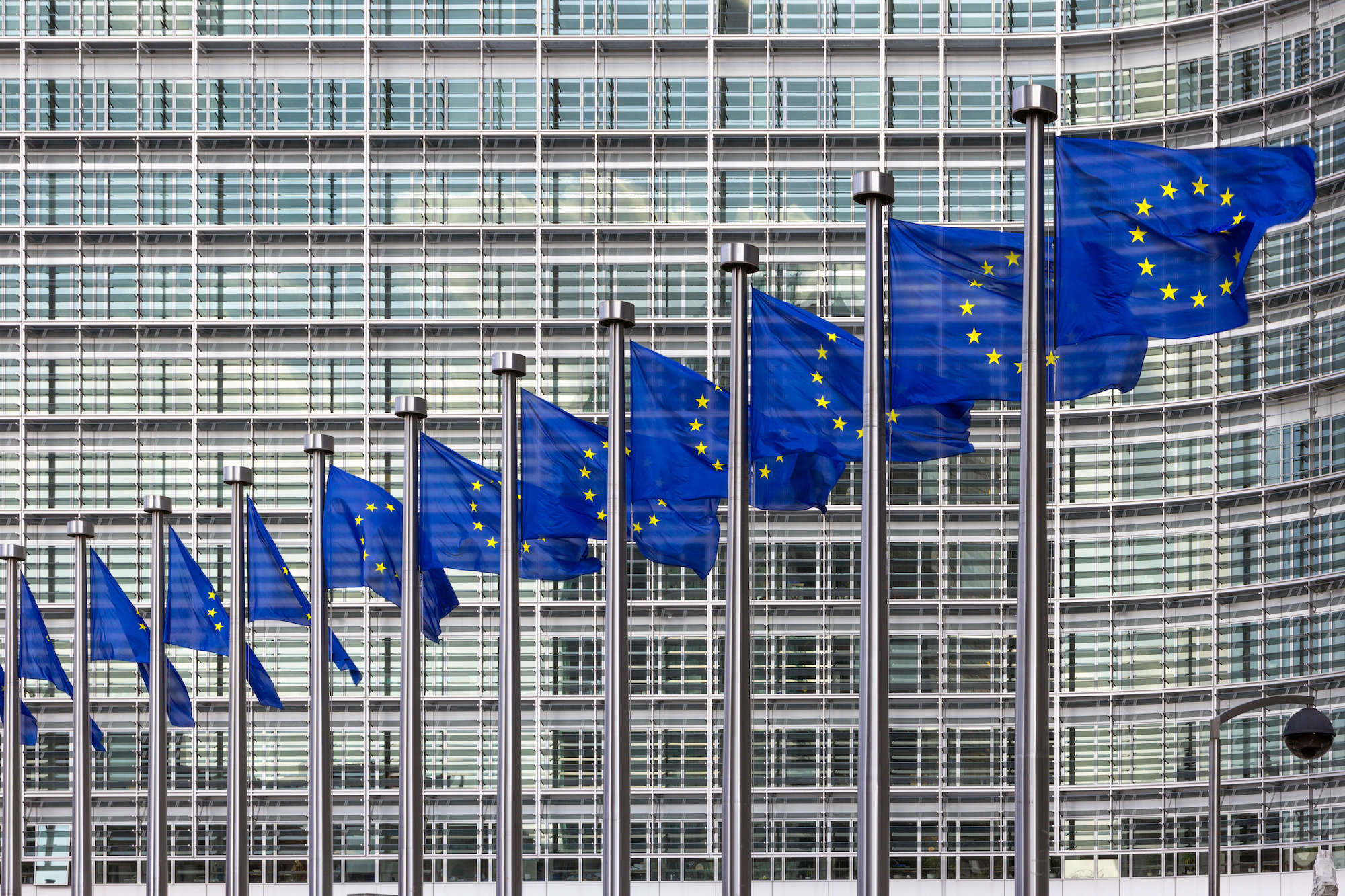
The European Union has provided €5.5 million to support the international media organisation RFE/RL, after its funding was suspended by the Trump administration in March.
The EU foreign policy chief, Kaja Kallas, said the emergency funding was a “safety net for independent journalism,” and emphasised the role that RFE/RL played in resisting authoritarian regimes and informing people in regions where press freedom is under threat.
However, the financial boost will not be enough to cover all the operations of the broadcaster. Its 2024 budget stood at $142 million, which funded coverage in 27 languages in 23 countries across Eastern Europe, Central Asia and the Middle East.
But Kallas said that the EU’s contribution would help RFE/RL to “work and function in those countries that are in our neighborhood and that are very much dependent on news coming from outside”, namely countries in Central Asia and the Caucasus.
US: NPR takes legal action over funding cut
NPR and three regional public radio stations are suing the Trump White House over the president’s executive order to end all federal funding dedicated to NPR and PBS. In their complaint, the public broadcasters wrote that Trump’s order breached the First Amendment’s protections of speech and the press. It also accused the Trump administration of “usurping Congress’ power to direct how federal money will be spent and to pass laws” by hindering the mission of the Corporation for Public Broadcasting, a private nonprofit corporation set up to distribute federal funding to NPR and PBS. The lawsuit was filed together with the Colorado Public Radio, the Aspen Public Radio and the station serving Native Americans communities KSUT.
The other public broadcasting organisation impacted by the executive order, PBS, did not take part in the lawsuit, stating that “PBS is considering every option, including taking legal action, to allow our organization to continue to provide essential programming and services to member stations and all Americans.”
In an interview with PBS, NPR’s president and CEO Katherine Mahler stressed the importance of a publicly-funded media for democracy. “We know that when communities lack local media, when they lack access to a broadcaster or an outlet, you see higher rates of polarization, lower rates of civic engagement, lower rates of voter turnout. Where you have local media, there is higher confidence and trust in democratic institutions and less suspicion of one another as citizens.”

Canada: CBC/Radio-Canada gets mentioned in throne speech
After an election campaign during which CBC/Radio-Canada was facing the threat of defunding, Canada’s public broadcaster has now been singled out for protection in the new government’s agenda-setting speech. “Canada is a country that respects and celebrates its official languages and Indigenous languages,” said King Charles during the throne speech. “The government is determined to protect the institutions that bring these cultures and this identity to the world, like CBC/Radio-Canada.”
Although no formal policy proposals regarding public broadcasting have yet been made while in office, the Prime MInister Mark Carney had during the campaign said CBC/Radio-Canada would receive an extra $150 million. Not only that, but Carney promised an overhaul that would make funding statutory, and bring public media funding in line with countries like the UK, France and Germany. Carney’s opposition, Pierre Poillievre, had conversely threatened to defund the CBC – the English-language part of the public broadcaster.
South Korea: KBS promises to strengthen its security measures after political comment
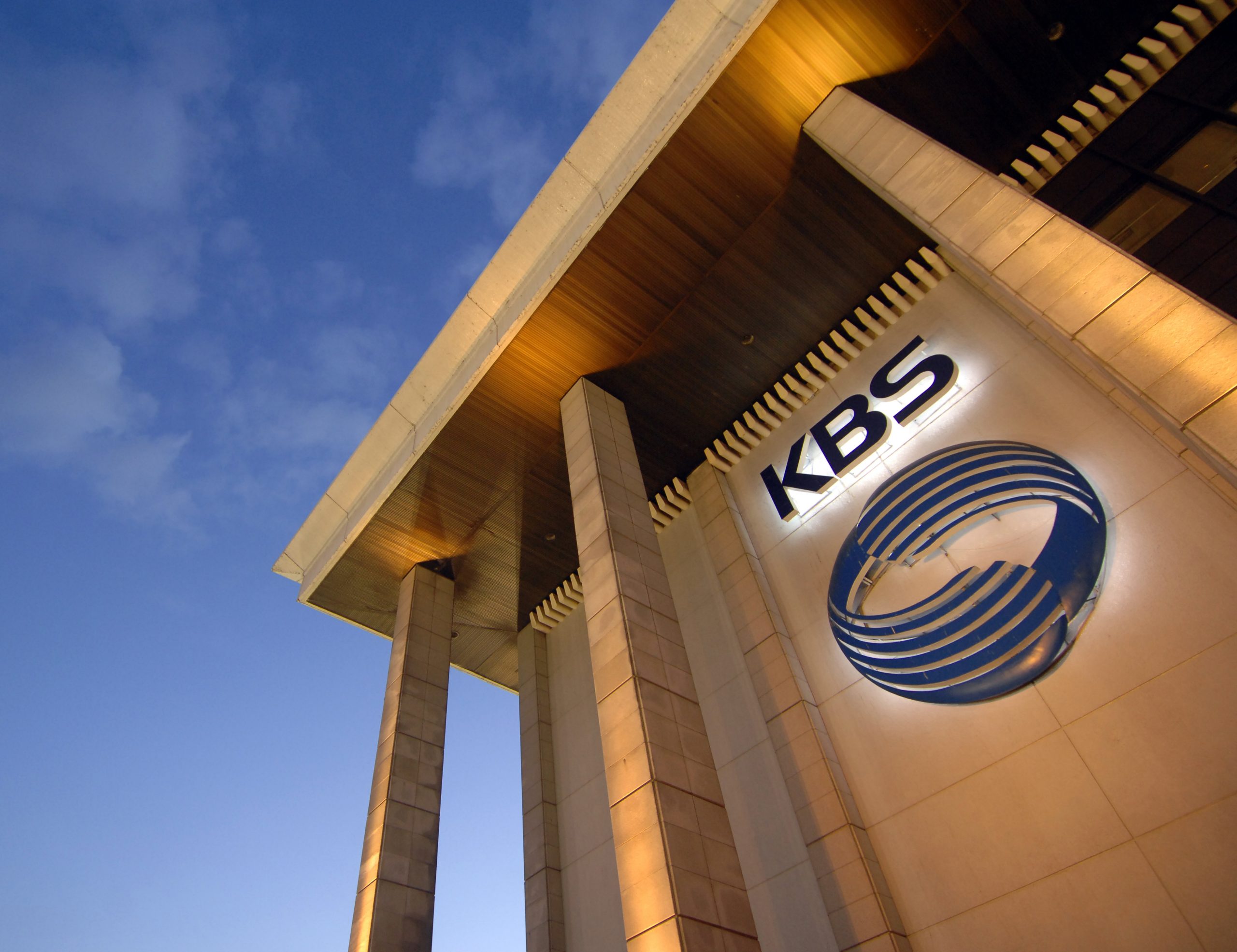
KBS has said it will undertake a “review” and “implement strict measures” over its social media accounts, after the KBS World Arabic YouTube channel was used by a KBS employee to post a political comment. With Koreans heading to the polls next week to elect a new President, the YouTube account posted the comment “Moon-soo is doing well today”, during the second televised debate, in reference to the presidential candidate, Kim Moon-soo of the conservative People Power Party (PPP).
Following an investigation into the incident, KBS said it was an “accident”, and that one employee with access to the profile posted the comment while at home, forgetting that they were using the official KBS account. According to the Korean JoongAng Daily, a KBS representative said they recognised “the seriousness of this incident, especially during a presidential election period when political neutrality is more important than ever.”
A review into whether the employee violated company policy has been promised, as well as “strict measures to strengthen security management of our official YouTube accounts and enhance staff training to prevent similar incidents in the future.”
Australia: Report reveals pay gap across public sector
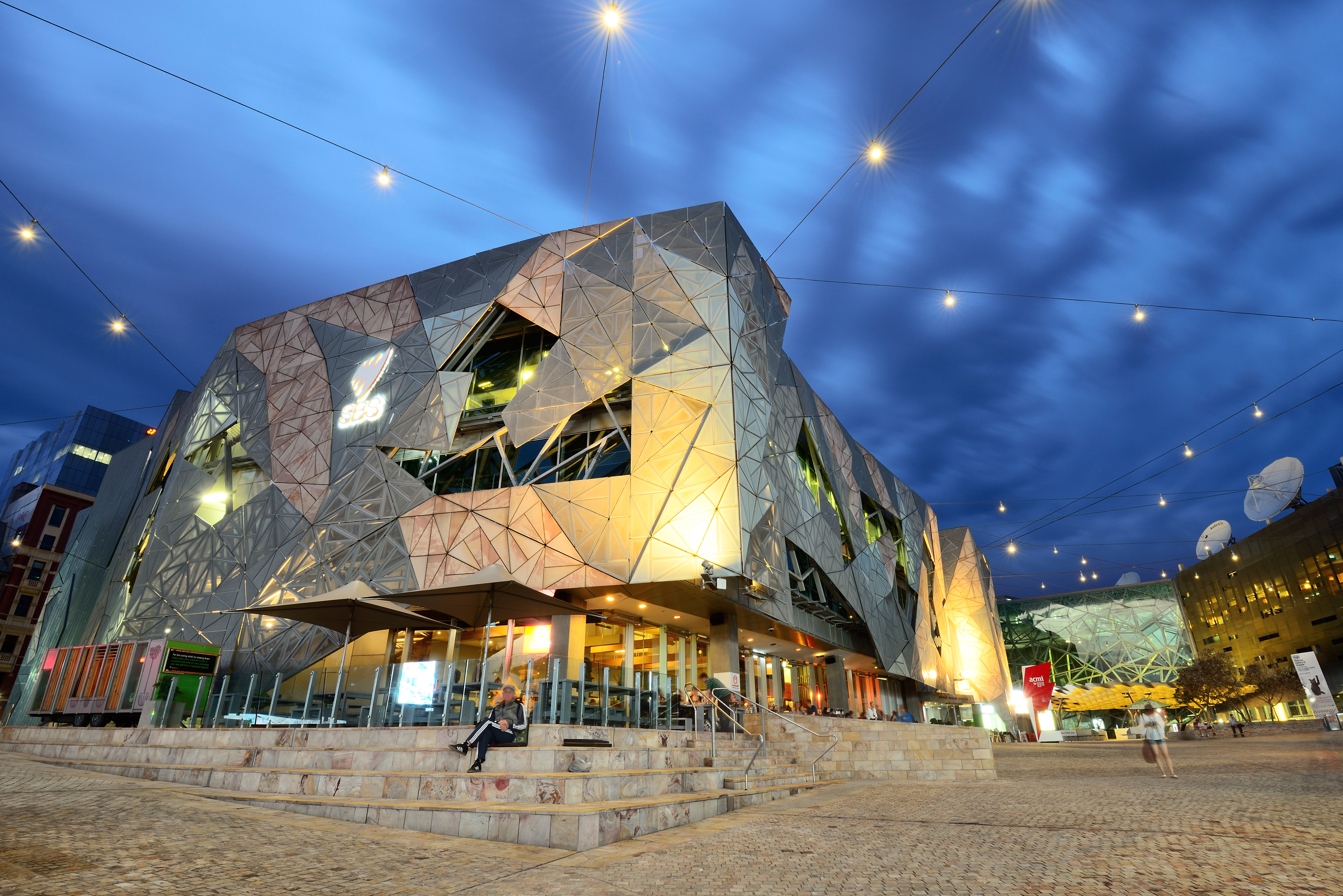
Australia’s two public broadcasters, the ABC and SBS, have reported gender pay gaps, in the inaugural report on public sector gender pay disparity. The report found the ABC pays men nearly 10 percent more than women while SBS had a 1.9% pay gap
It is the first report of this nature from the Workplace Gender Equality Agency (WGEA), which revealed that while pay gaps in the public sector are significantly better than those in the private sector, many public agencies and employers still have large pay gaps favouring men. The national median pay gap was reported at 21.1 percent in a previous report, but the pay gap for the public sector was less than a third of this, at 6.4 percent.
An ABC spokesperson told The Guardian that it “has been conducting a regular gender pay gap analysis since 2019 to ensure we identify, understand and appropriately address any significant pay gaps across our workforce. Meaningful gaps which are found to occur at any pay band are investigated to ensure we understand the cause and can take any action required”.
Chile: TVN and DW sign agreement, but financial woes for TVN
Chile’s public television station has signed a strategic agreement with Germany’s international public broadcaster, Deutsche Welle. According to TVN’s press release, the agreement will see content exchange between the two organisations, as well as a strengthening of cultural ties between Chile and Germany. “With this alliance, we reaffirm our commitment to delivering diverse, high-quality programming with a global perspective. Deutsche Welle is a benchmark for international public journalism, and we are proud to work together and offer its content on our screens,” said Gerson del Río, TVN’s Press Director.
However, TVN’s future is subject to an enormous amount of uncertainty, with the broadcaster facing significant financial headaches. TVN asked for a $24 million loan back in November 2024 due to financial losses. According to a former chair of the board, Ricardo Solari, “It has a set of public missions, a national network to support throughout Chile, a children’s channel, a cultural channel… but with the current model, this doesn’t work.” A government proposal to modernise the public service mission and restructure the funding is working its way through the Chilean parliament, but Solari said that question is fundamentally whether Chileans “want public television or not.”

Related Posts

What’s the world’s biggest public broadcaster? | The PMA Briefing
A new report ranks the top 100 media…
Public media and politics: debates over coverage, platforms and funding | The PMA Briefing
Controversy surrounds political…
World Press Freedom Day | The PMA Briefing
On World Press Freedom Day - attacks on…
Protest, scrutiny and cutbacks | The PMA Briefing
Public media workers in Argentina have…