

On Our Radar
TV Pública, NPR & PBS, int’l journalists, and BBC
13 February 2026
On Our Radar this week, we track the mounting pressure on journalism and public media, from Argentina’s escalating institutional hostility to renewed political attacks on NPR and PBS in the United States, and a worrying recent rise in threats against international journalists.
On Our Radar this week…
The media sector in Argentina continues to face pressure from the government, as the Milei administration announced its creation of a social media account to “actively debunk lies” and “expose the operations of the media and the political establishment.” In its first post on the social media platform X, the account – dubbed the Official Response Office of the Argentine – explained that it “does not seek to convince or impose a viewpoint.” However, given Milei’s longstanding feud with the news media, this claim is difficult to accept: this measure adds another chapter to Milei’s confrontation with much of the press, and comes even as the government signals further moves to weaken public media. A presidential spokesperson recently confirmed they would rename Television Pública, framing the change as a break with the previous model while also pointing to legal barriers to privatisation. Yet the same briefing acknowledged that the government has also considered closing TV Pública, alongside broader symbolic and structural changes intended to “redefine” the outlet’s role. These steps together risk normalising state pressure on journalism, first by publicly “calling out” the press through an official channel, and then by politically rebranding, restructuring, and openly entertaining the closure of public media. The Public Media Alliance (PMA) urges Argentine authorities to instead commit to safeguarding editorial independence, stable governance, and protections that allow journalists and public media to scrutinise power without intimidation, retaliation, or the ever-present threat of institutional dismantling. Read more from Telesol Diario.
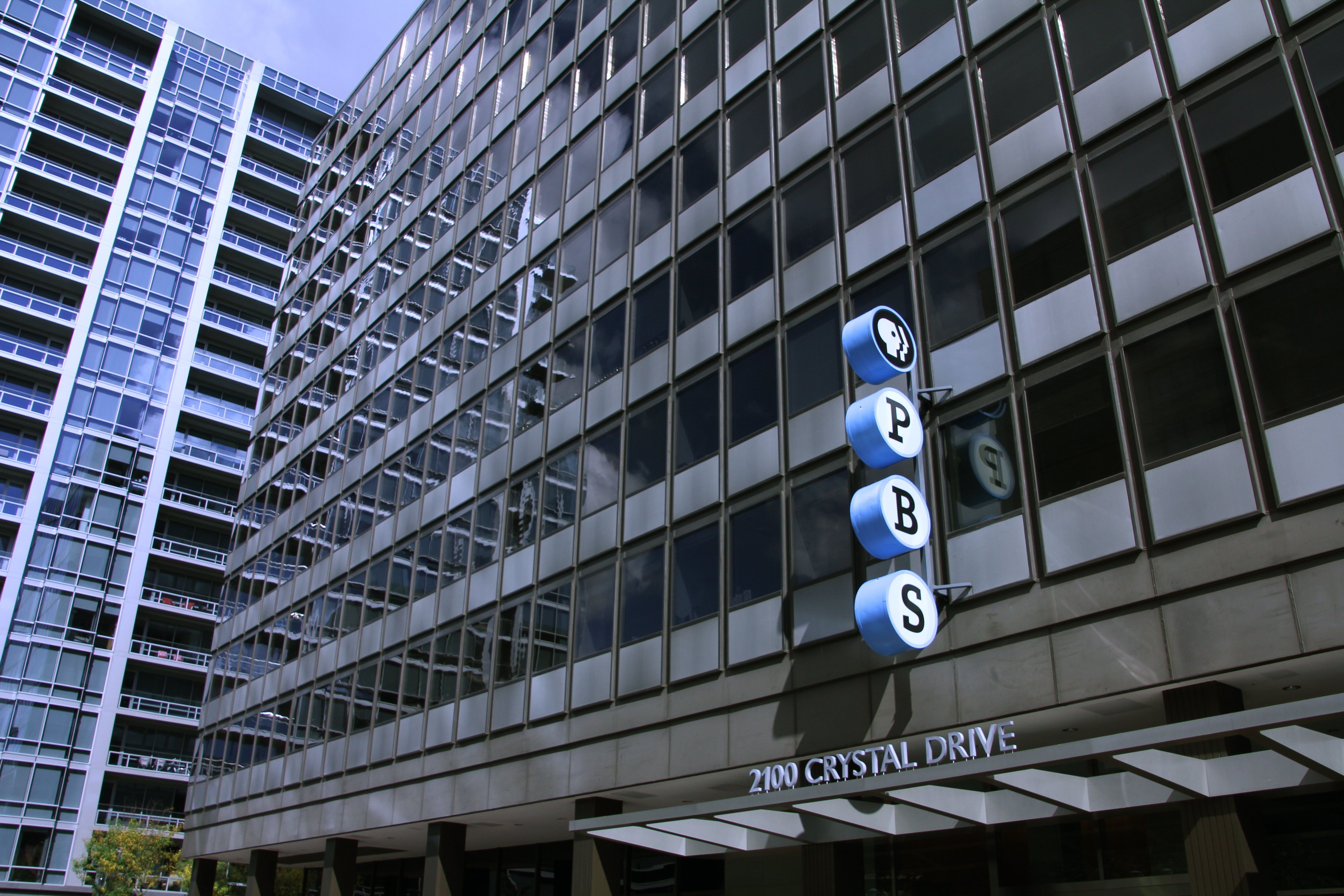
In the United States, President Trump has once again hit out at NPR and PBS, calling their funding “just a waste of money.” PMA rejects this rhetoric, which only seeks to delegitimise public media. Last year’s recission of federal funding for public media has already undermined US public media, with the closure of the Corporation for Public Broadcasting (CPB) leading to significant aftershocks for local stations that relied on CPB support to sustain news, educational and community information services, especially in smaller and rural markets. This has, in turn, impacted PBS and NPR, where stations have ended their affiliation with the national networks, or defaulted on their dues. We further support ongoing efforts to restore and protect sustainable public media funding. Read more from PBS.
Meanwhile, a troubling pattern has been seen in recent weeks: international correspondents are being detained, arrested, or intimidated simply for doing their jobs while reporting abroad. A correspondent for the German public service broadcaster Deutsche Welle (DW) was recently detained in Niger after reporting on migrants. But this case is not isolated, and over the past month we’ve also seen foreign reporters detained while covering demonstrations in Türkiye, and multiple journalists linked to international outlets detained in Caracas around major political events. These threats have also extended to the families of journalists, such as with BBC Persian journalists who say their families are being monitored and targeted by Iranian authorities. This escalation amounts to the criminalisation of reporting and undermines public-interest journalism across borders. Authorities must stop using detention, deportation threats, and harassment as tools of information control and must instead ensure safe conditions for journalists to work.
And lastly, in a speech on Tuesday the BBC’s outgoing Director General, Tim Davie, called on the UK government to “back the World Service, to act decisively and confidently… so that amid all the global uncertainty, audiences can continue to rely on our journalism.” It comes as the BBC World Service approaches the end of its current funding arrangement with the Foreign Office at the end of March. The Public Media Alliance echoes Davie’s call to recognise the critical nature of the World Service in delivering impartial, accurate news to audiences worldwide. This is essential in an era increasingly defined by disinformation amid mounting cuts to – and attacks on – public service media and other trusted sources of news globally. Ensuring the long-term sustainability of the World Service must be prioritised. We will raise the funding of the World Service and the international significance of the BBC in our response to the public consultation as part of The BBC Charter Review.
We will continue to monitor these issues and share updates via our website, newsletters and social media.
This is not an exhaustive list of our concerns. If you would like to raise other concerns, please reach out and let us know.
PMA Advocacy Team
What is On Our Radar
On Our Radar is an advocacy-driven space where we highlight developments of particular concern. Each edition, we’ll flag a handful of issues affecting our members, other public service media, and media freedom that we believe demand attention, solidarity, or joint action.
Sometimes these could result in public statements or calls for information; at other times, quiet diplomacy and shows of solidarity by simply saying, “this matters, and it shouldn’t go unnoticed”. If something here resonates with your own concerns, or if there is an issue you think should be on our radar, please contact the PMA team.
Related Posts
On Our Radar | 6 February 2026
This edition: We're concerned about…
On Our Radar | 23 January 2026
We take a look at developments in…

On Our Radar | 8 January 2026
we look at the precarious situation…

On Our Radar | 5 December 2025
We look at the bomb threat at France…
On Our Radar | 28 November 2025
We look at the implications of the BBC…