

The PMA Briefing
Overhauls, digital rollout & parliamentary inquiries
14 April 2026
Hungary’s new prime minister says the national broadcaster’s news division will be paused until reforms, while Tunisia’s president lambasts the national TV broadcaster and calls for an editorial realignment. Plus, Spanish opposition parties launch a controversial inquiry into RTVE, satellite broadcasting to be rolled out across Namibia, and attacks on Colombia’s national broadcaster following calls for General Manager to resign.
Hungary: MTVA news division to be paused, PM-elect says
After his victory in the Hungarian general election, the prime minister-elect, Péter Magyar, said one of the new government’s first actions will be to suspend the news broadcasts from the country’s state media outlet. He said the new government would implement a suite of measures, designed to “do everything to restore the rule of law, plural democracy, and the system of checks and balances,” after Viktor Orbán’s 16 years in power.
The MTVA has long been criticised for being a propaganda outlet for Orbán’s Fidesz party. Describing the broadcaster as “state-funded propaganda”, Magyar’s Tisza party had promised in its manifesto to overhaul the organisation, not just pausing its news division, but also installing independent management, and imposing reforms to ensure independent governance. In his victory speech, Magyar promised he would “not use anti-democratic measures to restore the rule of law”.
After levels of press freedom and media pluralism spiralled downwards under Orbán, the European Federation of Journalists has called on the new leader to “initiate the reforms necessary to guarantee media pluralism and independence” and to follow the guidelines outlined by the European Media Freedom Act (EMFA). IPI meanwhile put forward a series of reform priorities reflecting years of monitoring and advocacy, to revive independent and pluralistic media in the country. Among other things, these suggestions include the creation of an independent, high-level multistakeholder task force on media reform, the depoliticisation or restructuring of Hungary’s media regulatory bodies and the reform of the public media system.

Spain: Parliamentary inquiry into RTVE launched by opposition parties
A parliamentary commission of inquiry has been launched to investigate RTVE’s finances and management. Driven by the right-wing People’s Party (PP) and with support from the far-right party Vox, the commission was approved by the Senate (the lower house) with 146 votes. One party abstained, while every other party didn’t participate.
This will be the seventh inquiry launched by the PP, which is the largest party in both houses of parliament. Its purpose is to investigate the public broadcaster, which the party describes as “[prime minister Pedro] Sánchez propaganda paid for with the money of all Spaniards”. “Pluralism has devolved into bias, the line between information and opinion has been erased, and neutrality has become mere posturing. Information has degenerated into propaganda,” said PP senator, Cristina Díaz.
When initially proposed last month, RTVE rejected the initiative, saying “it resembles an attempt to exert control over the corporation’s professionals and could have a chilling effect on the practice of journalism.” After its approval by the Senate on 8 April, critics pointed out that a joint senate-congressional commission already exists, with a responsibility to provide oversight of RTVE. Other parties also decried the move. The commission will begin once it has been formally established with an action plan.
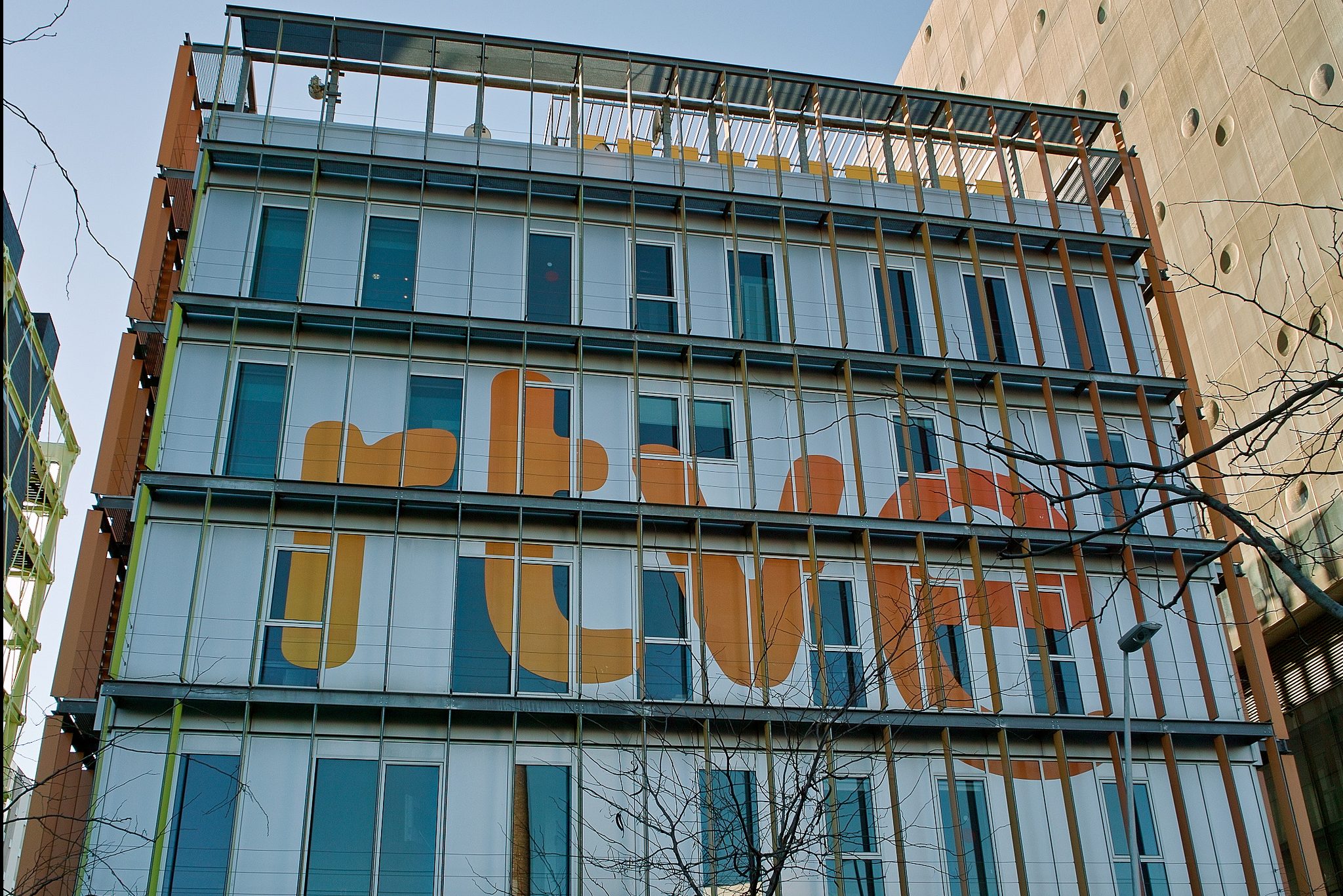
Colombia: Attack on Inravisión after calls for GM to resign over sexual harassment allegations
The national media system of Colombia, Inravisión (formerly RTVC), has blamed “a systematic smear campaign based on lies and false accusations” regarding their general manager as the motivation behind an attack on the organisation’s compound in the capital. Last Friday, the broadcaster published an alert, saying that “a violent and deliberate hate attack was perpetrated against its facilities.” The individual “made direct threats against the organization, its manager Hollman Morris, staff, and officials.”
In a follow-up statement, Inravisión accused many media outlets including El País and Infobae of publishing “claims which are entirely false” regarding the general manager. Morris has come under pressure in recent weeks and faced calls for him to resign after historical accusations of sexual harassment surfaced. A nightclub in Colombia had even arranged for a rave to take place outside the Inravisión headquarters in protest against Morris. Inravisión also accused the Attorney General of interfering.
However, Morris has received political support from some, and appears to be under no inclination to step aside despite the accusations, which is being likened to Colombia’s #MeToo movement. In its statement, Inravisión called on media companies to stop publishing accusations, and for the public to be more discerning.
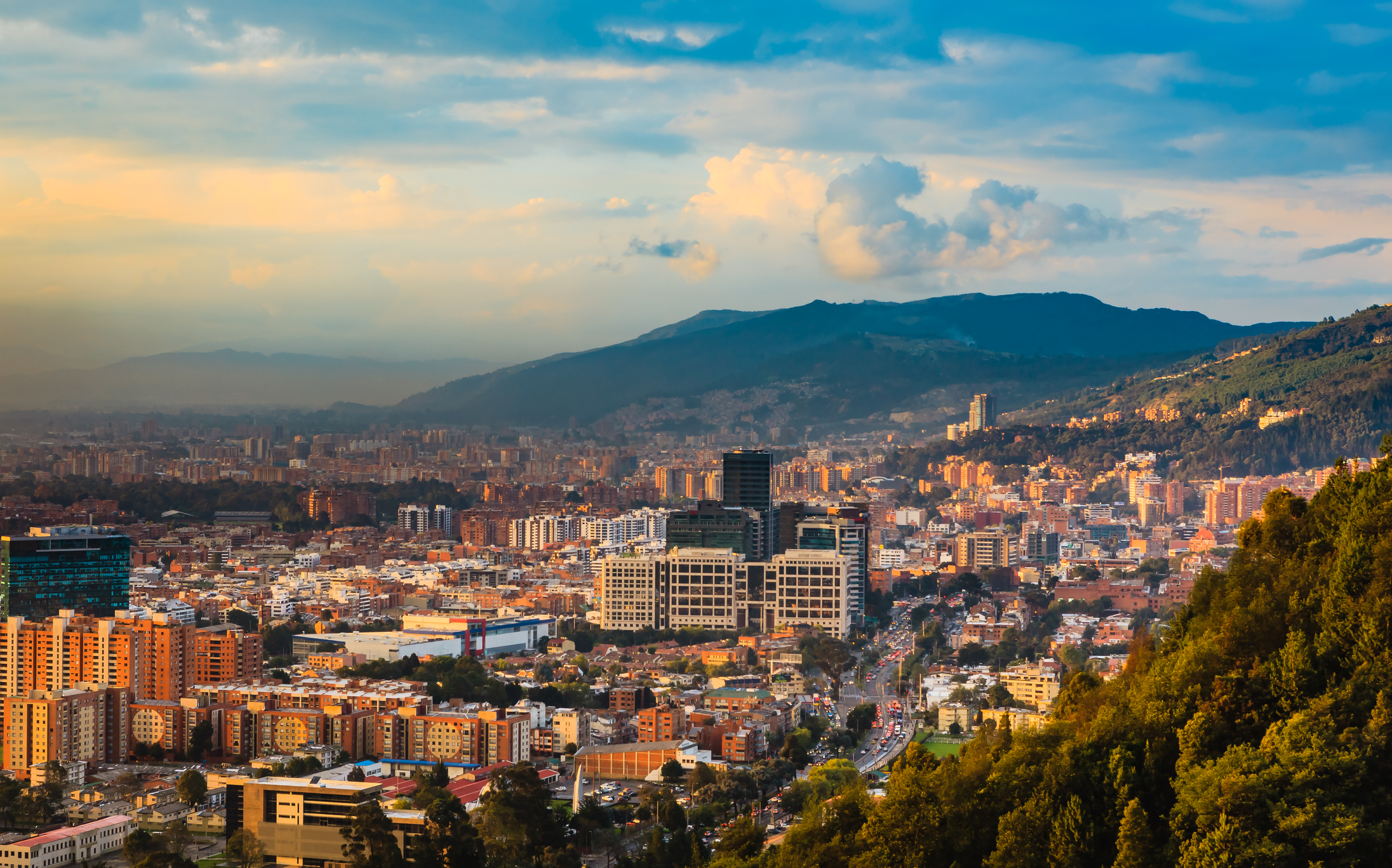
Tunisia: President targets state media as press freedom declines
The president of Tunisia Kais Saied has attacked the state broadcaster, accusing the company of “misleading propaganda” and urging an editorial shift. Saied, who has led the country since 2019, maid the warming during a ceremony to mark the 26th anniversary of the death of former president Habib Bourguiba. He labelled parts of national television as “obsolete”, saying it didn’t reflect public interest. His criticisms echo earlier comments he made about state media, having convened a meeting with media executives in January to stress transparency.
However, Saied’s rhetoric contrasts with the reality of media in Tunisia. Journalists point to a strained and non-existent relationship between the government and media as well as a persistent lack of operational support. More broadly, freedom of information in the country has significantly deteriorated, most notably an increase of self-censorship. This decline is reflected in Tunisia’s current standing in RSF’s 2025 Press Freedom Index, dropping to a score of 129 out of 180.
Namibia: DTH satellite broadcasting project approved
The Namibian government is targeting 100 percent national coverage in its rollout of Direct-to-Home satellite broadcasting. The project, carried out on behalf of the Namibian Broadcasting Corporation, will see a joint investment of US$7.35 million between the Central Procurement Board of Namibia and the satellite company, Intelsat Ventures.
With the cabinet now approving the project, its target is to ensure all Namibians are connected to satellite broadcasting before the end of the year. The project “supports digital migration and expands access to radio and television services to citizens in previously under-served and remote areas,” said the ICT minister, Emma Theofelus.

Peru: Decentralising mission given as reason behind programme shake-up
TV Perú is switching up one of its most popular television programmes, with some sources suggesting there could be political reasons behind the action.
Since 2020, every Sunday morning, TV Perú broadcast mass from Lima Cathedral. However, as part of a decentralisation policy, this will no longer be a permanent fixture, with TV Perú now promising to, at least once a month, “broadcast from different regions of the country, with the aim of bringing these celebrations to more Peruvians and highlighting cultural and religious diversity.” The change was announced by the Archbishop of Lima Catherdarl, Cardinal Carlos Castillio.
However, sources quoted by Infobae indicated that the Cardinal’s impartial stance on the elections might have had something to do with the decision. However, the Archidocese confirmed they were aware of the changes and understood the reasoning, and thanked TV Perú. IRTP, the broadcaster’s parent company, refuted any allegation “that attempts to politicize a public service that remains in place and is constantly being strengthened.”

Featured Image: Satellite dishes on the NBC compound in Windhoek, Namibia. Credit: Harry Lock / PMA
Related Posts

Legal claims, transparency boards & funding restructures | The PMA Briefing
VOA journalists sue the White House…
Strikes, strategic goals & a decisive election | The PMA Briefing
ABC journalists go on strike; Swedish…

Controversial laws, accusations of bias, and navigating the digital era | The PMA Briefing
Control over KAN funding back on the…

Charter submissions, channel closures, referendum rejection | The PMA Briefing
The BBC outlines its position on the…