

STATEMENT
PMA opposes proposal to cut funding for Swiss public media
13 February 2026
Ahead of the referendum on “SBC initiative” to cut the Swiss licence fee by half, the Public Media Alliance outlines its opposition to the proposal.
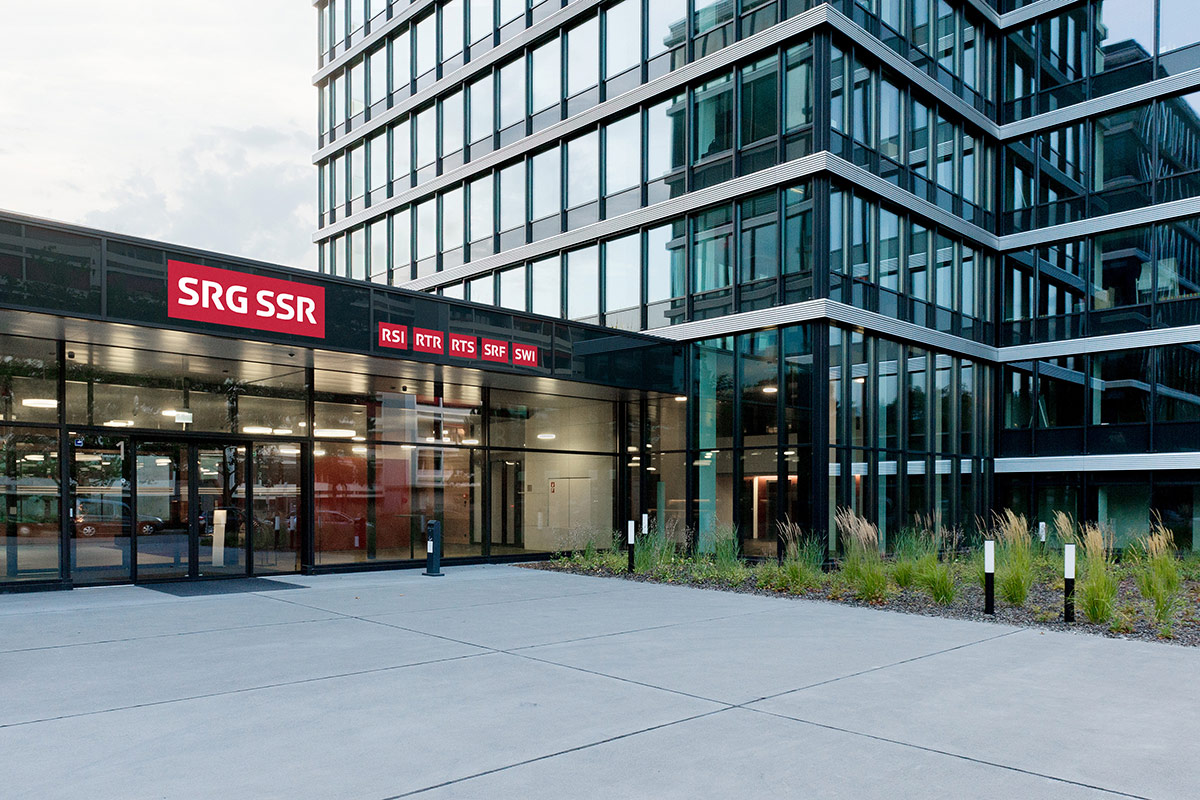
It is PMA’s position that the proposal known as the “SBC Initiative” – which calls for the capping of the household media licence at CHF 200 and an exemption for all companies from the fee – would be devastating for public service media and for Swiss citizens, costing potentially thousands of jobs, a severe weakening of information integrity, harmful for media pluralism, and damaging to Switzerland’s diverse and unique cultural landscape. The Swiss Federal Council has already pursued a staged reduction from CHF 335 down to CHF 300, and expanded exemptions for smaller firms. Further, the Swiss Federal Council has also recommended that voters reject the CHF 200 cap.
If passed into law, the initiative would impose a structural reduction that undermines the public value citizens and residents expect from public service media. It would result in reduced access to reliable information for democratic participation, minimised cultural expression across all language regions, and a media ecosystem less resilient to market shocks and information disorder.
Read more: The two questions shaping the public media funding debate in 2026
What Switzerland stands to lose
The CHF 200 cap is advertised as a means of “trimming waste”. In this context, public service media is one of the few instruments designed to guarantee equitable and universal journalistic, informational and educational services across all language regions, even where commercial return is limited. The initiative would force SRG SSR into permanent survival mode, resulting in reduced capacity first where revenue is hardest to replace, such as with local reporting, investigative journalism, and coverage that serves smaller or more remote communities. Furthermore, SRG SSR, as a trusted and well-resourced news provider, also contributes to Switzerland’s information sovereignty in an era of disinformation campaigns. PMA is therefore concerned about the precedent a “yes” vote sets at a time when trust and cohesion are under pressure in many democracies.
SRG SSR’s public value is also cultural, and includes commissions, co-productions, music and performance ecosystems, and the infrastructure that allows Swiss stories to be made and seen across its national languages and beyond. It would have a significant impact on the media economy, putting thousands of jobs at risk, both within SRG SSR and those externally, such as the independent production sector, who are supported by the public service broadcaster. There is a valid fear that the likely substitution would not be the nurturing of domestic production but rather the purchasing of cheaper imported formats or international series. It also puts Swiss collaboration with partners in doubt. A severe cut would weaken SRG SSR’s participation and visibility on the European and global stage.
Meanwhile, supporters of the initiative argue that SRG SSR’s content is reaching fewer people, especially younger audiences who increasingly prefer platforms like YouTube and streaming services, and therefore the fee should be reduced. However, if the goal is relevance to younger audiences, the rational response should be to better enable and provide the resources to support SRG SSR’s modernisation, instead of leading it towards obscurity and irrelevance. A severe funding contraction would force the public broadcaster to retreat into short-term survival measures, reduce its innovation capacity, and make it harder to compete for talent, rights, and production quality in the very spaces where younger audiences are spending time.
If passed into law, the initiative would impose a structural reduction that undermines the public value citizens and residents expect from public service media. It would result in reduced access to reliable information for democratic participation, minimised cultural expression across all language regions, and a media ecosystem less resilient to market shocks and information disorder.
One of the least discussed but most structurally damaging elements is the initiative’s proposal to cap total licence fee revenues, so that growth in household numbers would trigger a corresponding downward adjustment of the fee to keep revenue within the ceiling. A revenue cap that prevents the funding base from adapting to changing conditions risks turning public service media into a shrinking institution in a growing and more complex market. Furthermore, the cap risks undermining SRG SSR’s strategic and global competitiveness with domestic media providers and global platforms alike.


In summary, the Public Media Alliance makes its case on the following points:
-
- PMA opposes the initiative because it weakens a core democratic utility: universal-service public media that reaches all language regions with trusted, accurate and reliable content that supports informed societal and democratic participation.
- The cultural and employment impact of SRG SSR are integral to Switzerland’s cultural diversity and cohesion and to the creative economy that depends on public service commissioning.
- Audience shifts demand capacity to modernise and invest, instead of a structural funding shock that accelerates retreat and irrelevance.
- The initiative’s revenue cap establishes a system of long-term decline by restricting SRG SSR’s ability to adapt to evolving markets, costs, and risks.
We support our member, SRG SSR, and call for the rejection of the SBC Initiative.
Related Posts

Ghana: New funding model must support GBC’s sustainability and independence
The President of Ghana recently…
The two questions shaping the public media funding debate in 2026
Is the licence fee on the brink of…

Sign petition to defend Swissinfo against cuts!
Join PMA in signing a petition…

Swissinfo director on their potential defunding
As political stranglehold on…