

The PMA Briefing
Reform and transformation plans at several broadcasters
29th January 2025
Governments in both Bangladesh and Kenya have announced plans to reform media organisations, while France is pushing ahead with reforms. Meanwhile, there are tensions over proposals in both Slovakia and Israel. Also, an Indigenous journalist’s association has been launched in Canada.
Kenya & Bangladesh: Modernisation proposed
Both Bangladesh and Kenya have announced plans to modernise their national broadcasters. Kenya’s newly-inaugurated cabinet secretary for ICT, William Kabogo, said state broadcaster KBC needed “revitalisation”, emphasising the importance of efficiency and collaboration. The broadcaster has been struggling in recent years, including with limited reach. Meanwhile in Bangladesh, new broadcasting secretary Mahbuba Farzana said Betar Ctg needs to be modernised to deliver better-quality and more relevant programming. After the overthrow of the Sheikh Hasina government last year, the interim government has promised several reforms and established a media reform commission. But there remain widespread concerns about media freedom in Bangladesh under the post-revolution administration
Read more:
- Kabogo Plans KBC Revamp (Nairobi Wire)
- Betar Ctg center to be modernized soon: Info Scy (BSS News)

France: Public broadcasting merger back on
The French Minister of Culture has re-announced plans to merge France’s public broadcasting system, with reforms put forward by summer 2025.
The plan to create an entity merging France Télévisions, Radio France, France Médias Monde and the Institut national de l’audiovisuel (INA) was initially proposed last May, but provoked a wave of protest within some public service media organisations. However, these reforms were put on hold due to the dissolution of the National Assembly and the elections, but negotiations resumed in November. According to Le Monde, at the time, the merger was not on the agenda. However, according to rfi, the creation of the holding is now seen in a better light, both by the National Assembly and by media organisations and should officially start operating on the 1st of January 2026.
Another law was passed in December, aiming to set a sustainable funding for the public broadcasters through a fraction of the VAT revenues. However, with the new budget allocated to the Ministry of Culture, the public broadcasting services will see a budget cut of €80 million.
Read more: Rachida Dati says public broadcasting reform will be finalized “by summer” (Le Monde)

Canada: New Indigenous Journalists’ Association launched
A new association for Indigenous media was launched by five veteran journalists this month. The Indigenous Media Association of Canada, or IMAC, will represent Indigenous journalists and media at the federal level, pushing for better coverage of Indigenous communities and to make media careers more sustainable for Indigenous journalists. It will also advocate for the implementation of Article 16 of the UN Declaration on the Rights of Indigenous Peoples, which enshrines Indigenous Peoples’ access to their own media. Founding member and secretary Eden Fineday said that while there were organisations out there that support journalists in general, an Indigenous-led and focused association is necessary. “Often, we are invited to a seat at other people’s tables, and we appreciate that,” she told CBC/Radio-Canada. “But we needed to build our own table in our own way … we needed to advocate for ourselves with our own voice.” About 3.5 percent of journalists in Canada identify as Indigenous, below the 5 percent total of population.
Read more: How a new association plans to support Indigenous journalists (APTN)

Israel: Threat of government appointments
The governing board of Israel’s public broadcaster’s could be appointed by the government, under radical new proposals put forward by the government. Kan has found itself in the government’s headlights on a number of occasions in recent weeks. The government had also proposed a bill which would see the broadcaster sold off, or if no buyer could be found, disbanded. This bill was ultimately quashed by an influential member of the government, who objected to its premise. The Communications Minister and the High Court also had a standoff over the terms of two board members, whose terms ended in November last year, but no replacements were appointed.
This latest bill carries the threat of bringing the governance of Kan into the government’s purview. This is compounded by an additional bill which would also see the government provide Kan’s funding directly, rather than indirectly.
Read more: Ministers advance bill to take control of public broadcaster’s oversight council (Times of Israel)
Slovakia: Conflict between management and staff
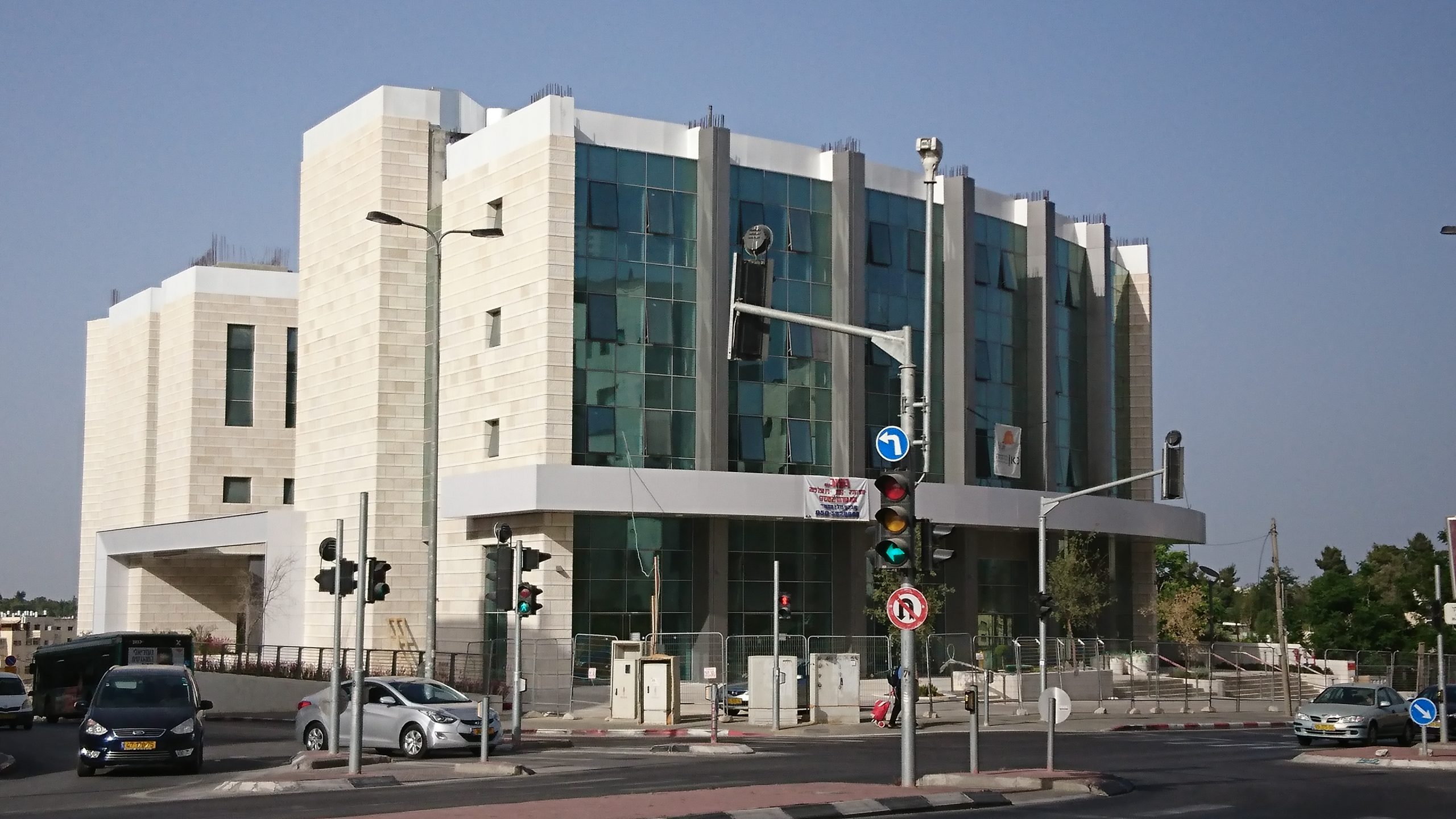
An internal battle between management and some staff has broken out at Slovakia’s national broadcaster in an incident which saw one radio host quit their job. The conflict arose after Matej Baránek, the host of “Sobotné dialógy”, a programme on political current affairs, interviewed the Slovak Prime Minister, Robert Fico, on air on Saturday.
But he was accused by fellow employees of not being prepared enough for the interview and failed to respond critically to Robert Fico’s misleading claims. Following the interview, the Initiative for Public Law and Independence, a group of media creators and journalists from the public broadcaster, published an open letter addressed to Barànek and the management of the Sobotné dialógy programme. The letter stated that, “In a tense societal atmosphere, at a time when a lot of half-truths, untruths, and disinformation are appearing in the public space … the role of those who are responsible for regular, balanced, and truth-seeking debate in public media is much greater.”
STVR’s management condemned the open letter’s public attack. Later on, the head of radio news reprimanded the whole public broadcaster’s staff in an email, questioning their professionalism and their intention to improve the institution. In response, Baránek announced he was quitting his role, and said he “does not know of any other media outlet in Slovakia, any other company, that would accept such defamation by its own employees.” These tensions within the Slovak public broadcaster come after months of troubled times, where several journalists quit as the government increasingly seized control of the company.
Read more: The head of radio news Mikula attacked the critics of presenter Baránek (aktuality.sk)

South Africa: Legal bid to halt analogue switch off
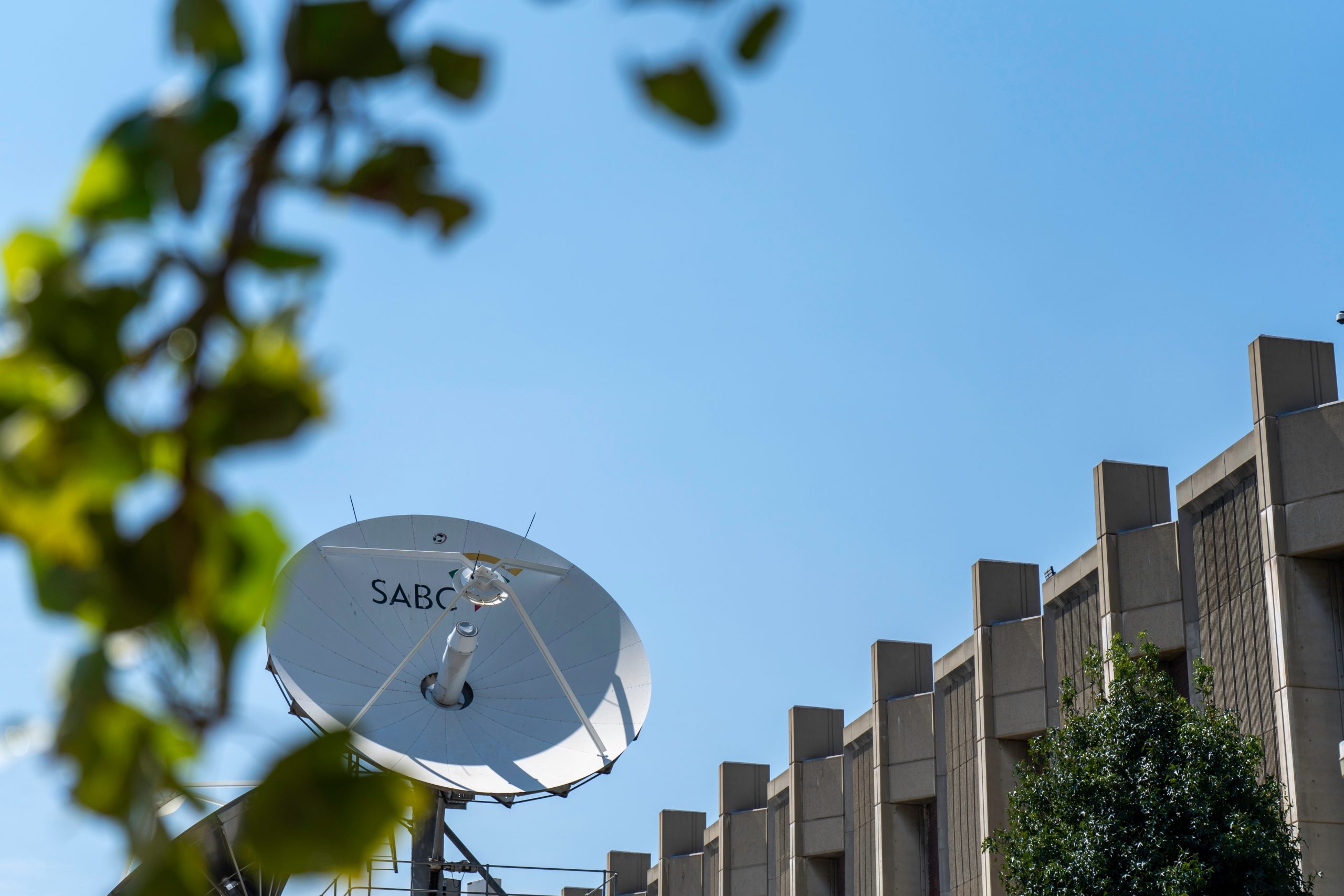
Local media organisations have launched a legal bid to halt the government’s planned analogue switch-off. The date for the transition from analogue to digital terrestrial television is currently set for 31 March, but eTV argued that is too soon and many issues are unresolved. According to Broadcast Media Africa, the privately-owned broadcaster was concerned many audiences would lose access to their station. ETV’s executive director Antonio Lee emphasised the unaffordability of digital TVs in particular, and argued that the switchover particularly risks isolating underprivileged and rural communities.
The switch off was also labelled “premature” by MMA and SOS, with the organisations rallying behind eTV on the legal affidavit, stressing the need for a comprehensive distribution of set-top boxes alongside eTV. News24 reported that 467,000 households are yet to have their government-subsidised STBs installed. However, the government has remained uncompromising on the deadline thus far, arguing that the shift will enhance broadcasting quality and bring greater opportunities.
Read more: Big fight over TV signals in South Africa (My Broadband)

Featured Image Credit: Kristian Porter / PMA
Related Posts
Slovakia public media reforms go through
Opposition parties in Slovakia have…
France far-right threatens to privatise public media
The far-right National Rally has…

Merger put forward for French public media
France's public media organisations…
Will South Africa’s long-awaited analogue switch-off still go ahead?
The switch-off’s initial 31 March…