

STATEMENT
Seychelles: New bill presents threat to SBC’s independence
5 June 2026
PMA supports the SBC’s board in calling for a reflection on a new bill which looks to overhaul the public broadcaster’s governance and appointments process.
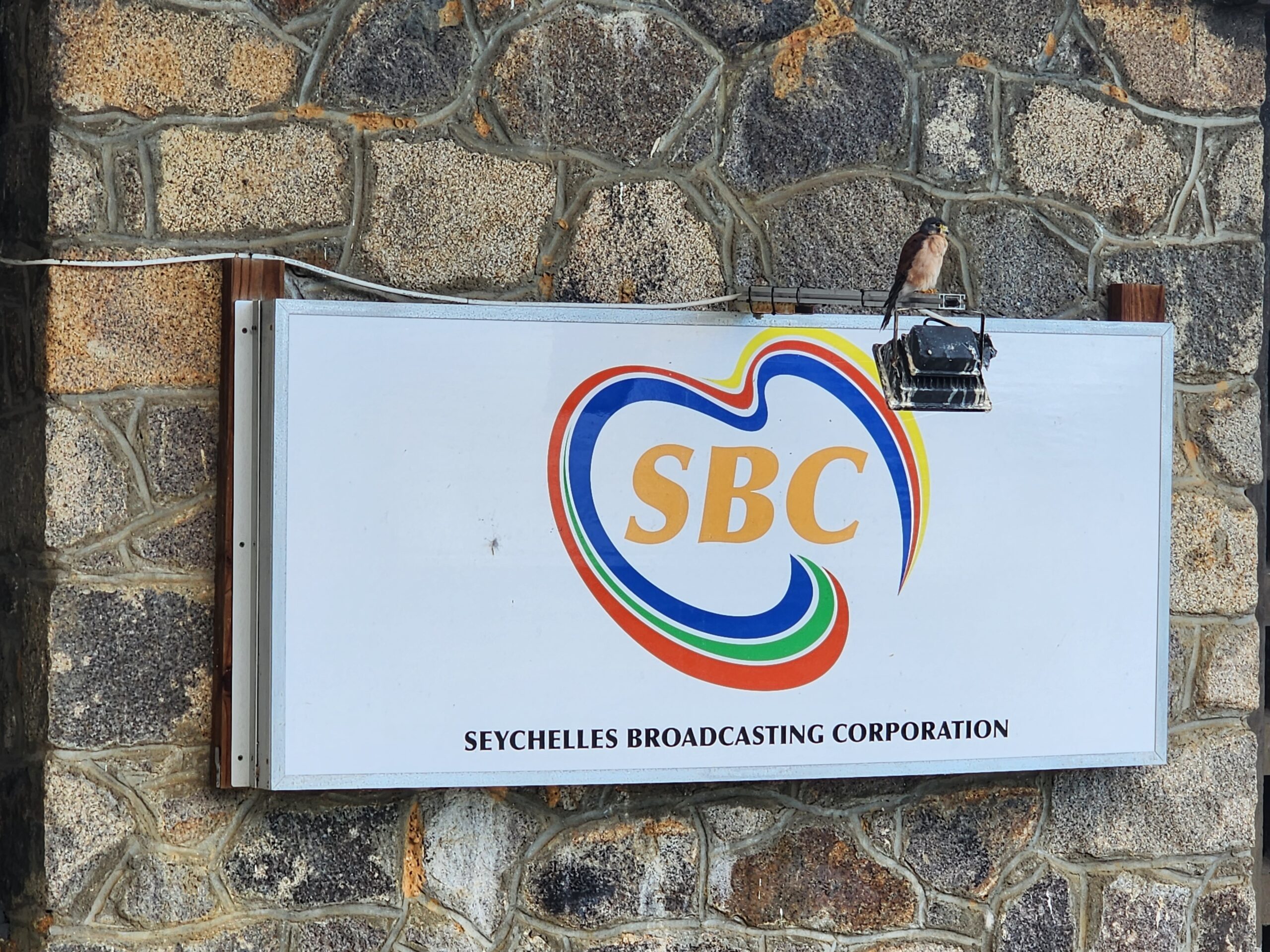
The Public Media Alliance (PMA) is concerned that a new bill, which would enact a complete overhaul of the SBC’s governance system and appointments process, could put the SBC’s independence at risk.
The Seychelles Broadcasting Corporation Bill was gazetted last week, and is described in an explanatory statement as seeking “to establish a modern, independent, editorially autonomous, and financially sustainable public broadcasting institution capable of serving the democratic, cultural, social, and educational needs of all the people of Seychelles in the digital age.”
While it is encouraging to see specific provisions in the bill aimed at supporting editorial independence, PMA shares the concerns of the SBC board, who said the bill “could weaken the institutional independence” of the SBC.
Governance overhaul
The SBC Amendment Act 2017 provides for a 12-member board, comprised of a chairperson, vice-chairperson and seven other members, as well as the CEO, deputy CEO and a staff representative as ex officio members without voting rights. The President appoints the board members from recommendations and nominations of several bodies, notably the Constitutional Appointments Authority (CAA) which recommends the chairperson and vice-chairperson, from candidates who have applied for the role.
Under new proposals, the board would consist of 11 members, with five appointed by the president without the recommendation of the CAA. Instead, these members would be recommended by a three-person select committee appointed by the president. The select committee would also recommend the chairperson and vice-chairperson. In addition, the CEO and deputy CEO wouldserve as ex officio members of the board and would be appointed by the president following an interview and recommendation process by the board.
As recently iterated in the response to the BBC charter review, there are several broad principles PMA supports when it comes to governance systems:
- Political appointments are not inherently negative: In a democratic society, elected representatives have a legitimate interest in the actions of the public service broadcaster and ensure accountability for a publicly funded institution. But government appointments should ideally be in the minority and independently vetted to minimise the potential for political interference.
- Board diversity is a strength: Effective boards draw on a range of experience and representation. Diversity strengthens legitimacy and reduces the risk of any single interest dominating.
- The board appoints the executive: The strongest method remains putting this power in the hands of the board, to create distance from the government.
The Public Media Alliance has several concerns over the proposed bill’s governance reforms:
-
It removes longstanding safeguards that have insulated the SBC from political pressure and leaves the system vulnerable to exploitation. For example, the replacement of the independent CAA with a president-appointed select committee raises serious questions over the independence of the process and potentially the calibre and suitability of the selected candidates.
-
It gives the president the direct authority to appoint five members of the board. This is significant, as it gives presidential-appointed members a majority on the board (excluding the CEO and deputy CEO as they do not have voting rights), meaning they would hold the balance of power on the board.
-
It gives the president the sole authority to appoint the CEO and deputy CEO. This is of alarm as currently, the executives – involved in the day-to-day running of the public broadcaster – are appointed by the president, in consultation with the speaker of the National Assembly and the Chief Justice.
The SBC’s managerial and operational independence is guaranteed in Article 168 of the Seychelles’ constitution. PMA is concerned that the proposed bill does not uphold this guarantee, as it provides the government of the day too much control over the management of the SBC, at board and executive level. For audiences to maintain trust in public service media as editorially independent organisations, protecting their institutional independence is essential.
Through external consultation with key stakeholders and experts, this bill could be refined and improved to strengthen the SBC’s independence and enable the public service broadcaster to thrive in a fast-moving media landscape, and situate the Seychelles as a regional leader in press freedom and independent public service media.


Further assessments of the bill
Aside from the governance, another key concern centres on funding. Under the terms of the bill, the SBC would be funded through “moneys appropriated, from time to time, by the National Assembly.” The lack of requirement for the National Assembly to guarantee SBC funding could be used as leverage for those in power to undermine the SBC’s financial position and sustainability.
It also limits the SBC’s ability to use its discretion on how to allocate its funding, through the removal of a clause that currently allows the SBC to “spend such sums as it thinks fit for performing its functions under this Act.” By exerting greater control over how the SBC can spend its funding, its services and ability to act as an independent public service broadcaster could be severely affected.
Globally, it is increasingly common that funding is used as a way of pressuring media institutions and silencing critical reporting. PMA believes that funding mechanisms must provide public media with sustainable revenues so they can deliver services fully, while also guaranteeing independence. Funding systems must be designed so that they cannot be exploited as a tool through which public media can be pressured, or its role as a watchdog compromised.
The Public Media Alliance is further concerned about how this bill has entered the public domain. To the best of our knowledge, it has not been subject to external consultation therefore excluding key stakeholders, such as the SBC, the Media Commission, civil society actors and audiences who rely on the SBC as a source of trusted news and information.
There are several pleasing aspects in the bill that could strengthen the SBC, not least the codification of an editorial charter affirming “principles of impartiality, accuracy, fairness, balance, and protection from misinformation and disinformation.” There are also numerous provisions for digital transformation and modernisation, including the establishment of an AI policy, the development of a digital strategy, and a requirement to provide universal access.
These positive developments would be outweighed, however, by the significant concerns PMA holds over how it would affect the SBC’s governance structure, financial autonomy, and sustainability.
The bill in its current form could also have broader repercussions. PMA is of the view that it could endanger the Seychelles’ strong reputation as a country that supports and maintains press freedom, as guaranteed in its constitution, as affirmed by the Seychelles’ presence on the Media Freedom Coalition, and as evidenced by its strong ranking in the 2026 RSF World Press Freedom Index. It could also impinge upon Seychellois’ belief in the need for news media institutions to hold authorities to account, as indicated in the Afrobarometer.
Through external consultation with key stakeholders and experts, this bill could be refined and improved to strengthen the SBC’s independence and enable the public service broadcaster to thrive in a fast-moving media landscape, and situate the Seychelles as a regional leader in press freedom and independent public service media.
DISCLAIMER: The SBC is a core member of the Public Media Alliance, and the PMA is funded by its members. However, PMA retains editorial independence from its members.
Related Posts

On Our Radar | 29 May 2026
The Czech and Slovenian governments are…
New Zealand: PMA alarmed by Deputy PM commentary on RNZ leadership
Comments from deputy prime minister and…

France: Controversial report recommends drastic PSM reforms
The report from the inquiry on the…

PMA opposes Czech government’s draft law on public media
PMA opposes the government's proposal…