

On Our Radar
South Africa & Hungary
10 July 2026
On Our Radar this week: SABC’s CEO warns of ongoing financial uncertainty putting the SABC’s future at risk; and Hungary’s new PM shutters the news services of MTVA.
On Our Radar this week…
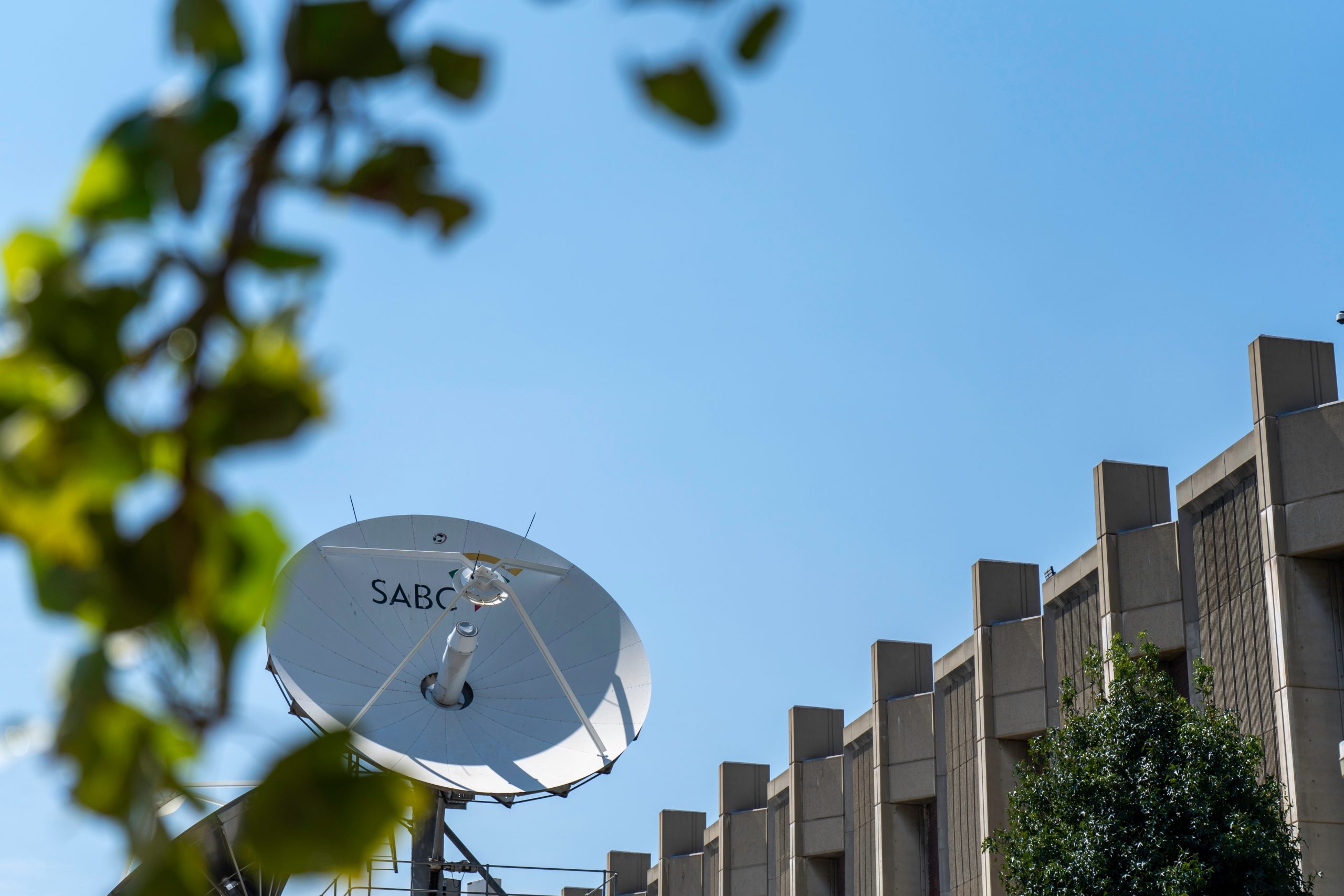
PMA is deeply concerned by the South African Broadcasting Corporation’s (SABC) warning that its survival as a functioning broadcaster is now at risk, with the country’s long-unresolved public media funding model at the heart of the crisis. Presenting to Parliament on 26 June, SABC’s CEO Nomsa Chabeli told MPs that the stalled funding bill and undecided future funding model are the primary drivers of this risk, leaving the broadcaster unable to strengthen its balance sheet, secure short-term liquidity, or invest in content. The SABC’s debt to state signal distributor Sentech, meanwhile, has climbed to R1.7 billion (US$104 million), despite the treasury promising in February it would provide a direct appropriation of US$44 million to alleviate some of this debt.
While such interventions are welcome, they are stopgaps and not a long-term solution. PMA maintains its longstanding position that funding must be long-term – so that public media can plan appropriately for the future and invest in a comprehensive and universal service – and it must be safeguarded against real-terms cuts. What the SABC currently endures is the opposite, with indefinite uncertainty and underinvestment in services that South Africans rely on. We urge the South African government and Parliament to finalise a sustainable, independence-preserving funding model as a matter of genuine urgency.
⇒ Read more via MyBroadband.
Meanwhile, PMA continues to watch developments in Hungary closely, where the new government has suspended news broadcasts on public service media, MTVA, as its promised overhaul begins. On 7 July, screens on the main news channel M1 went dark without warning, replaced by a message stating that public media must not lie and apologising for having done so for years; news output on MTVA’s news and current affairs radio station, Kossuth Radio, was also halted. Prime Minister Péter Magyar hailed the suspension as a historic end to propaganda broadcasts, with no date yet announced for news services to resume.
When reforms were first unveiled under the new government, PMA was cautiously optimistic: under the previous government, public media was treated as an instrument of political power, and the democratic mandate for change was clear. But this week’s events sharpen some of our concerns. A statement on public broadcasting channels under the incoming government’s watch is still a political message on public media, the very practice these reforms are meant to end. Further, as we previously warned, reforms – such as abrupt changes to news services made without transparent, due process – risk replicating the very dynamics they seek to dismantle, and will ultimately undermine the trust that such organisations are seeking to earn from the public. We therefore reiterate our call for the government to pursue media reform transparently and with genuine consultation, including with media professionals, civil society, and the public; set a clear timeline for restoring news services; and anchor the new media framework in the safeguards of the European Media Freedom Act.
⇒ Read more via BBC News.
PMA Advocacy Team
What is On Our Radar?
On Our Radar is an advocacy-driven space where we highlight developments of particular concern. Each edition, we’ll flag a handful of issues affecting our members, other public service media, and media freedom that we believe demand attention, solidarity, or joint action.
Sometimes these could result in public statements or calls for information; at other times, quiet diplomacy and shows of solidarity by simply saying, “this matters, and it shouldn’t go unnoticed”. If something here resonates with your own concerns, or if there is an issue you think should be on our radar, please contact the PMA team.
Related Posts
Uganda, Germany & Czechia | On Our Radar
On Our Radar this week: the Ugandan…
On Our Radar | 19 June 2026
This edition: harmful rhetoric against…

On Our Radar | 29 May 2026
The Czech and Slovenian governments are…
On Our Radar | 22 April 2026
This edition: Hungary's post-election…