

The PMA Briefing
Strikes, strategic goals & a decisive election
24 March 2026
As ABC journalists vote to go on strike, Swedish Radio unveils its new strategic goals which will see a focus on value, proximity and quality. Plus, the April election in Hungary is once again shaping up to be consequential for the national broadcaster and media freedom more widely, while in Argentina there’s allegations of censorship.
Australia: Major strike at ABC over pay and work conditions offer
For the first time in 20 years, ABC journalists will go on a 24-hour strike on Wednesday, after rejecting an offer on working conditions and pay increase. It means, apart from emergency broadcasting, there will be major disruption to ABC programming, with some being replaced by BBC World Service broadcasts.
On Sunday, sixty percent of ABC staff voted against the management’s offer which proposed a wage increase of 10 percent over three years, with a 3.5 percent rise in the first year and 3.25 percent in the next two years. A bonus of $1,000 for all ongoing and fixed-term staff covered by the enterprise agreement was also included in the offer. However, this increase remains below the average annual inflation rate. Additionally, there were concerns that the offer did not provide strong enough guardrails to secure jobs that are threatened by new technologies. ABC journalists and union member Michael Slezak said that they “can’t accept a deal that cuts conditions, sends pay backwards against inflation and refuses to rule out replacing ABC journalists with AI bots”. The management qualified the offer as both “sustainable and financially responsible”, with the ABC managing director Hugh Marks stating that it reflected “the maximum level the ABC can sustainably provide and is balanced” when considering the various factors. The issue will be brought to the Fair Work Commission to attempt to resolve the situation.
The Media, Entertainment & Arts Alliance (MEAA) union expressed their support to the striking staff, with the Chief Executive Erin Madeley congratulating them for “standing up for secure jobs, fair treatment and quality journalism – but they should never have been pushed to this point”.

Hungary: Future of national broadcaster on the line in election
Reporters Without Borders (RSF) has called for an open consultation on the question of press freedom and the independence of the national broadcaster, if the leader of the Tisza Party is successful in next month’s election. Leading in the polls, Tisza and its leader, Péter Magyar, are lining up as the strongest challenger that current prime minister Victor Orbán and his Fidesz Party have ever faced over his 16-year tenure. During their time in office, Orbán and Fidesz have presided over a drastic decline in media freedom and pluralism, as well as a takeover of the national broadcaster.
RSF urged Magyar to withdraw Hungary’s existing complaint against the European Media Freedom Act, and to engage in an open consultation on the future of the national media system. “If Tisza prevails, a new chapter in the history of Hungarian media could open — but the ‘how’ must be discussed,” said RSF’s director general, Thibaut Bruttin. “How do you rebuild the public service broadcaster? How do you allocate state advertisements to help preserve trustworthy sources of information? Consultation with relevant stakeholders will be key.”
If Magyar is elected, the national broadcaster, MTVA, is in line for significant reform. Under the plans, the broadcaster – accused of being a propaganda outlet for Fidesz and Orbán, and which recently had the square in front of its headquarters named ‘The Square of Lies’ – would have its news division temporarily paused, new independent management installed, and reforms to ensure independent governance.
The broadcaster recently welcomed a ruling from the constitutional court which found that it did not need to show balance on its Facebook page. The complaint had been brought by Tisza who said the MTVA account gave preferential coverage to the Fidesz-KDNP coalition. “Did the Tisza Party have any evidence at its disposal at the time of submitting the objection that could have supported the accusations, or was it merely another political attack aimed at questioning the credibility of the public media, without any legal basis?” MTVA said in a statement.

Sweden: Value, proximity, and quality: SR’s new strategy
Swedish Radio has unveiled ambitious targets underneath its’ new strategic goals, and they include being listened to by eight out of ten Swedes, reporting from every municipality, and increasing listening via digital platforms by ten percent every year. These targets all sit under three principal goals:
- Creating value for all Swedes
- Present across all of Sweden
- The best in sound
Each goal has several quantifiable indicators which will be measured to ensure SR is achieving its goals.
“We live in a time of rapid and major change,” said SR’s CEO, Cilla Benkö. “Global digital tech giants have fundamentally rewritten the media map. The advent of AI on a broad front entails both risks and opportunities. The security policy landscape is more uncertain than it has been in a very long time. At the same time, the need for independent, impartial content has rarely been greater. Here, Sveriges Radio plays a central role. The choices and priorities we make as a company are therefore absolutely crucial.”
Argentina: Critical voices taken off air and privatisation attempt
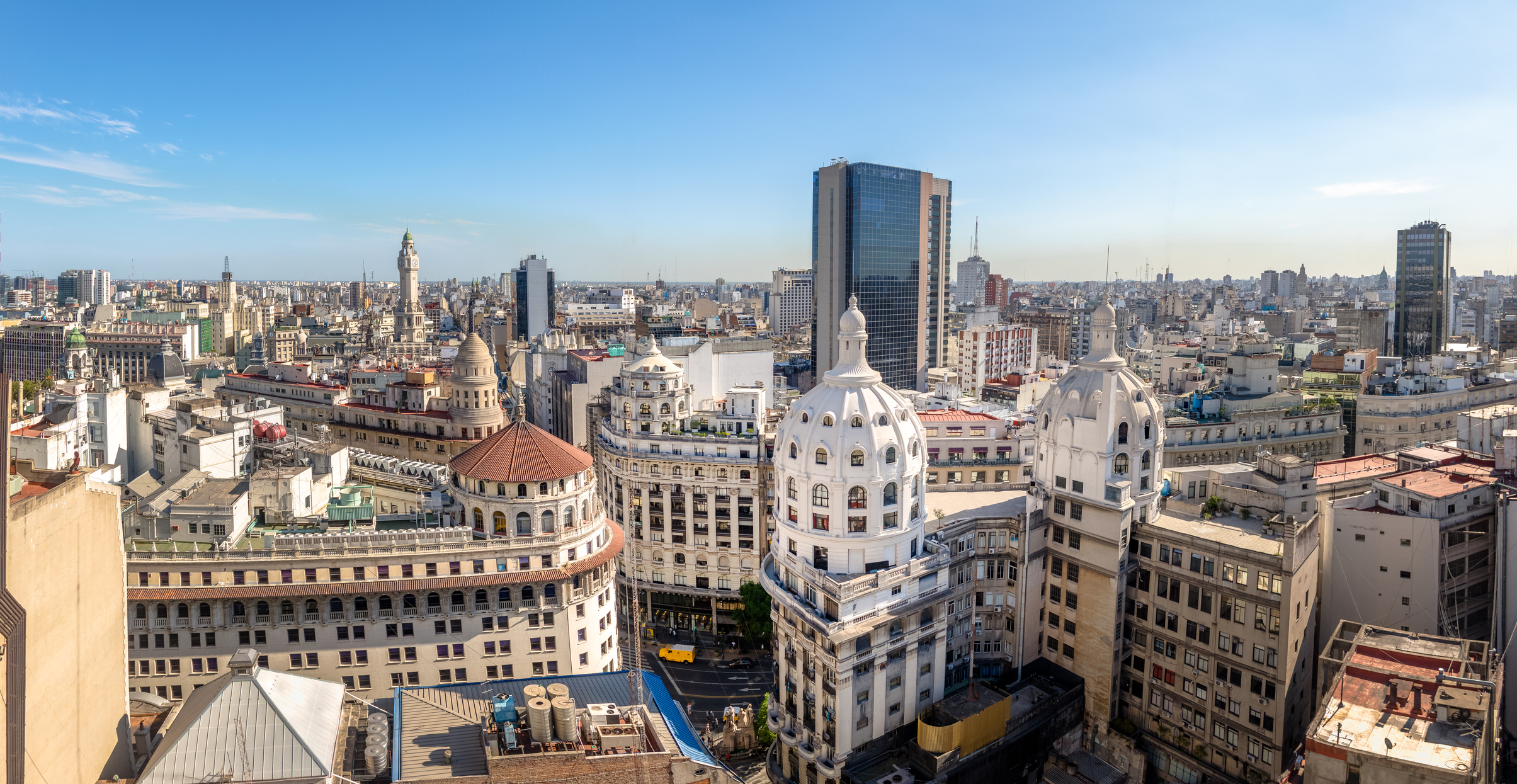
An effort to sell off Buenos Aires’ public media outlets by the city’s mayor, Jorge Macri, has drawn sharp criticism. According to the Buenos Aires City Chief of Staff, the initiative would grant a five-year concession for the city’s public media stations to a private operator to “have someone with media expertise manage both the channel and the radio station”. But this argument was criticised by public media workers, who said they would explore legal action, while it was judged as unconstitutional by legal experts. The opposition party, Fuerza por Buenos Aires, is seeking to safeguard the public nature of the three stations by establishing a public media bill.
Meanwhile, the crackdown on public media in the country continues, with the removal of a Radio Nacional presenter. The journalist, Mariana Cornejo, who was hosting the programme “Rebeldes sin cauce” (Rebels without a cause), was asked to cease to host her show and was reassigned as a producer within the organisation. “They are taking me off because of my way of thinking,” she said. For the press union SiPREN, this was an attack on press freedom and stated that “freedom of expression is impossible if the price for reporting with a critical perspective is silencing.” The union said such practice was not an isolated case but came amid a backdrop of increased attempts to discipline and silence critical voices.
Related Posts

Controversial laws, accusations of bias, and navigating the digital era | The PMA Briefing
Control over KAN funding back on the…

Charter submissions, channel closures, referendum rejection | The PMA Briefing
The BBC outlines its position on the…
New wave of cuts, axing and pushback | The PMA Briefing
• Germany: DW becomes latest…
Unexpected funding, strikes and cancelled mergers | The PMA Briefing
New bill allocates USAGM $650 million,…