

The PMA Briefing
What future for public media?
2 September 2025
Fundamental reforms for public broadcasting on the agenda of discussions in Germany and Thailand, while there’s concern over a Maldives media bill which would shake up the broadcasting commission. Elsewhere: several public broadcasters join the global action calling for the protection of journalists in Gaza; the conflict between RTBF and MR escalates, and in Taiwan, the media launch a new self-regulatory alliance for online news.
Germany: Commission calls for reforms for ARD & ZDF
A commission inquiring into public broadcasting in the state of Saxony-Anhalt has called for “comprehensive reforms” at ARD and ZDF. In their latest report, the commission tasked to develop reform recommendations, suggested a reorientation to focus more on news, education and cultural content in the future. The report also stressed that fundamental changes must take place in order to rebuild people’s trust. Markus Kurze, the media policy spokesperson for the CDU parliamentary group, said that in the future, public broadcasters should be “lean, transparent, balanced, and trustworthy”. The commission recently suggested the children’s channel, KiKa should move its current linear offering to be online only by 2033.
The Commission will meet again in October to discuss how ZDF and ARD can be developed to play a key role as a counterweight to platforms from the United States and China.
However, these reform recommendations are being made against a backdrop of financial insecurity for public broadcasting. As reported by the Frankfurter Allgemeine, the new funding model for German public media, which includes an increase in the licence fee, is “on the verge of collapse”, with the states of Bavaria, Saxony, and Saxony-Anhalt refusing to sign the new contribution model. Saxony-Anhalt and Bavaria said they would consider the increase of the licence fee if ARD and ZDF withdrew their constitutional complaint in these regions.
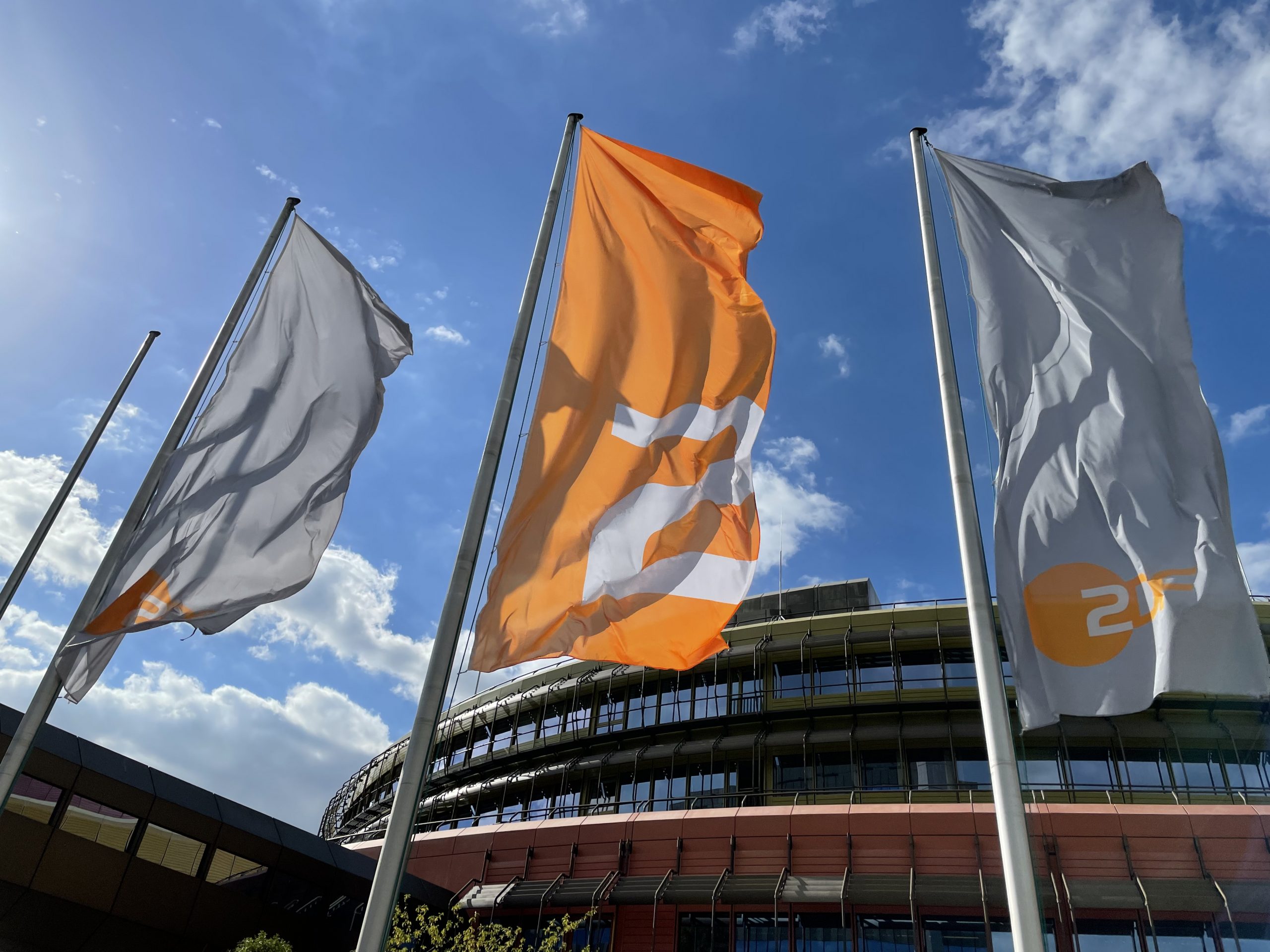
Thailand: Beyond the expiry of Thai PBS licence
With Thai PBS’ current licence due to expire in 2029, the public service broadcaster has met with the national regulator to discuss its future direction. The meeting comes after a National Broadcasting and Telecommunications Commission (NBTC) study warned the Thai TV industry could collapse without significant regulation of both the media market and international platforms, the reform of broadcasting institutions, and the creation of new agencies.
The Director of Thai PBS said it has developed an OTT platform, VIPA, which has had more than 765,000 downloads as part of a strategy of being “accessible for everyone”. Thai PBS would also be prepared to launch a National Streaming Platform to support the local creative industry. The director hoped the NBTC would “provide support and address any limitations.” There are hopes that through a coordinated initiative, the Thai industry might be able to match the French or Korean TV industries.

Maldives: controversial media bill condemned by press freedom groups
Rights groups in the Maldives have condemned a bill they say poses a grave danger to democracy and the public’s right to know. The bill, which is currently being fast-tracked through parliament, would abolish the Maldives Media Council and the Maldives Broadcasting Commission, replacing them with a new commission with broad and sweeping powers, including the ability to impose hefty fines on outlets and journalists that fail to adhere to as yet undrafted rules.
The bill, which is being fast-tracked through parliament, would also allow the commission to suspend media registrations during investigations, block media websites, and halt broadcasts.
The Maldives Journalists’ Association – along with other organisations including Human Rights Watch and the Committee to Protect Journalists – have published an open letter calling for the bill to be abolished, and for any changes to involve genuine consultation with the media sector. It added that the bill goes against President Muizzu’s personal commitment to the introduction of a self-regulatory, independent framework for the media.
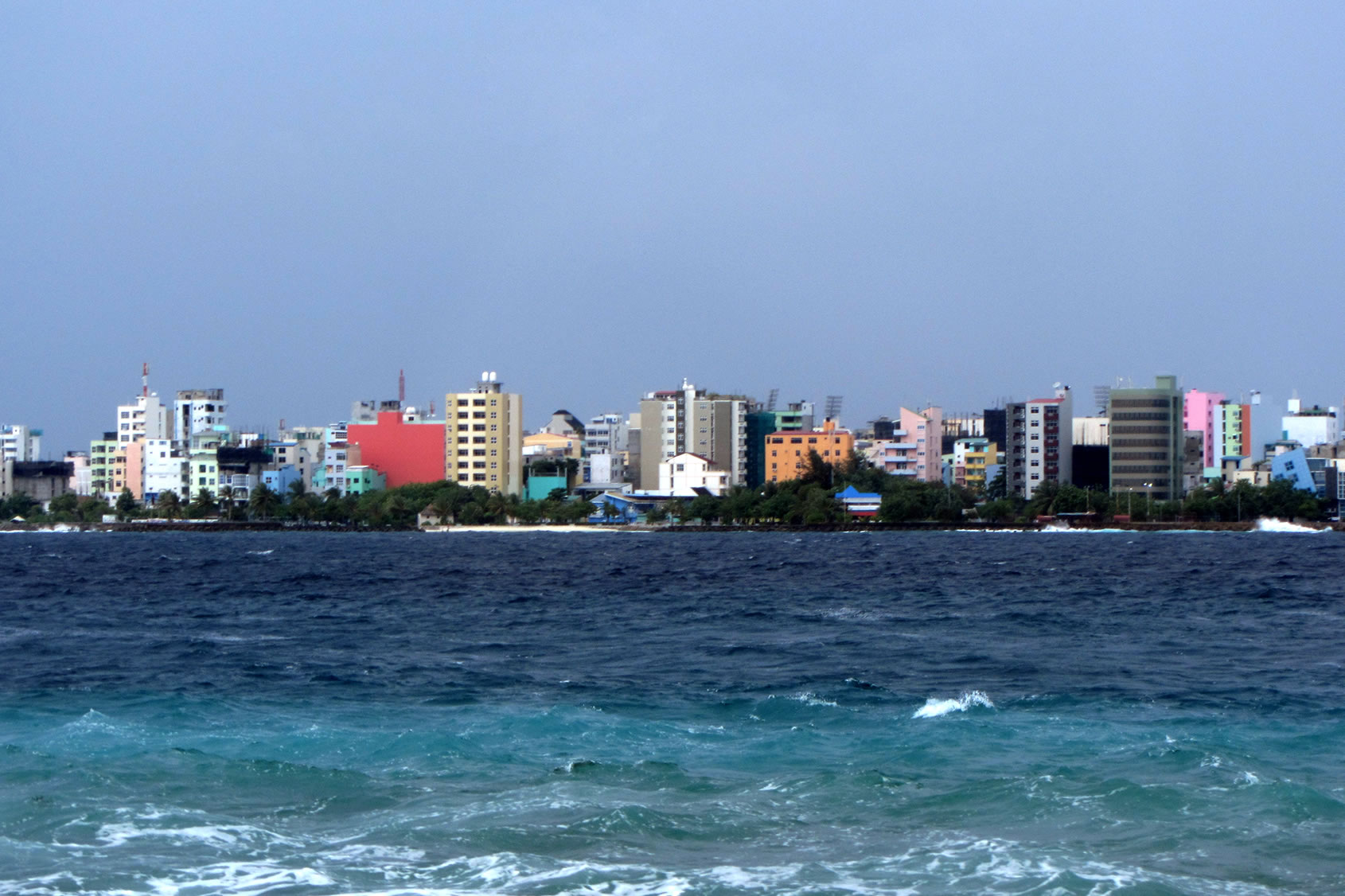
Gaza: Public media join global action calling for protection of journalists in Gaza
Several public service media organisations have participated in a global action, coordinated by AVAAZ and RSF, calling for the protection of journalists in Gaza and for access to be granted for international journalists. RTBF (Belgium), RTVE (Spain), NPR (USA), GBN (Grenada), and Agencia Publica (Brazil) were some of the more than 270 organisations involved. Participating organisations, including PMA, put a banner on their homepages or on their front pages, carrying the message: “At the rate journalists are being killed in Gaza by the Israeli army, there will soon be no one left to keep you informed.”
The war in Gaza has been the deadliest conflict for journalists. While CPJ says nearly 190 journalists have been killed, other groups put the number closer to 250. With Israel not allowing international journalists into Gaza, the toll has been entirely on journalists based in Gaza.
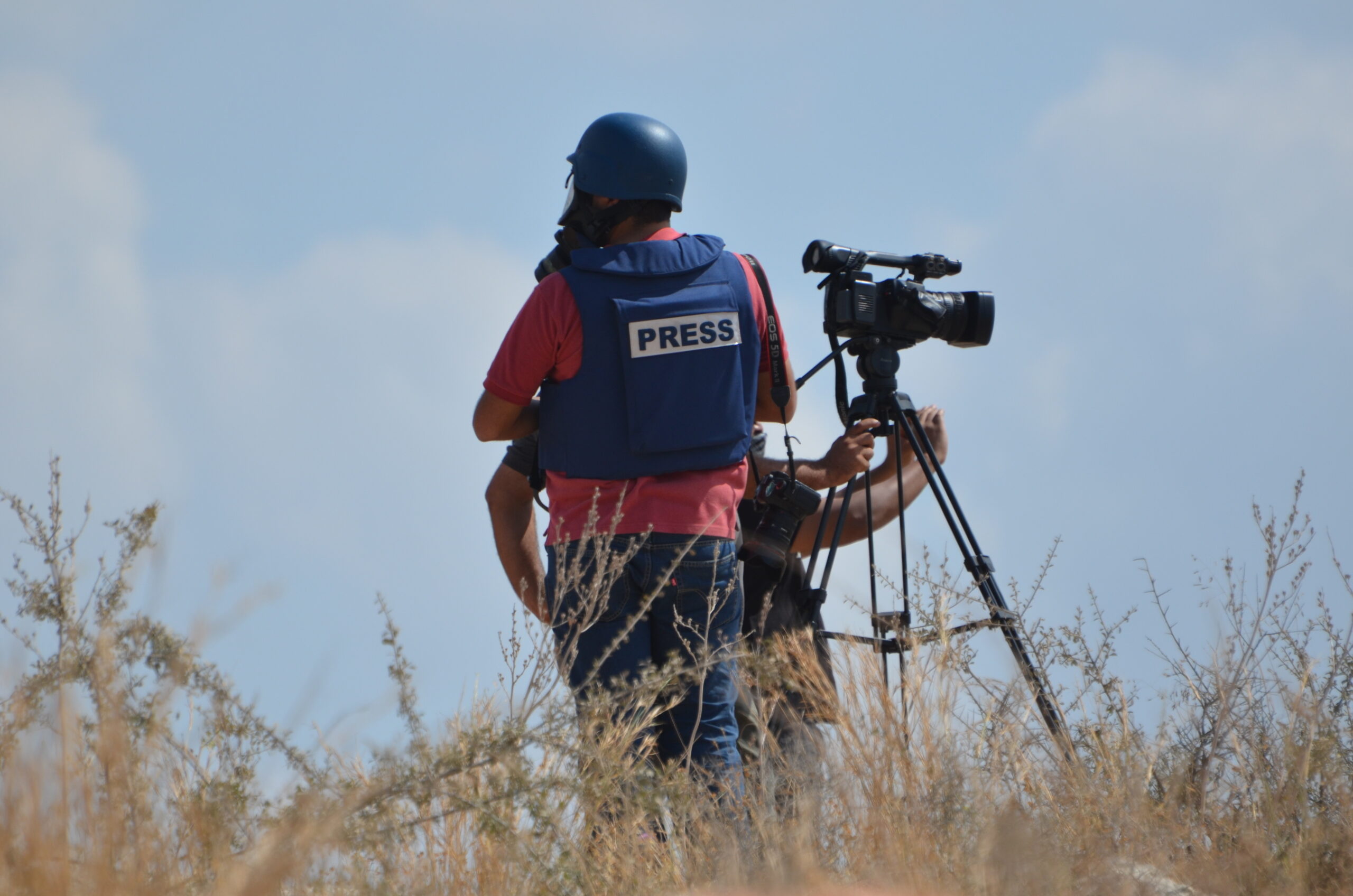
International journalists have faced attacks elsewhere from the Israeli military. On 29 August, a DW team was targeted by the Israeli military in the occupied West Bank, and fired on with tear gas while clearly wearing ‘PRESS’ gear. “The repeated attacks on our journalists in the West Bank are absolutely unacceptable. There is no justification for threatening press representatives — neither by the military nor by radical settlers,” said DW Director General, Peter Limbourg. “We call on the Israeli government to ensure the safety of all journalists. Press freedom and the protection of media professionals are fundamental pillars of any democracy.”
Belgium: Tensions between RTBF and MR president escalate
In an escalation of the dispute between RTBF and the conservative party, MR, the political party has threatened not to respond to RTBF journalists anymore.
The conflict arose after RTBF published a story about Georges-Louis Bouchez, the chairman of the conservative Mouvement Réformateur (MR) party. The article contained some errors, which were later corrected by the RTBF editorial team. But what aggravated Bouchez was the recording and the subsequent leaking of a call between an RTBF journalist and Bouchez about the errors in the article, during which he allegedly issued threats to the journalist involved with the article. RTBF responded immediately, pledging its support to its journalists and defending the editorial independence of its newsroom. Regrets were also expressed by the public broadcaster to the President of the MR through his lawyer.
However, last week, the MR made it known it would boycott the RTBF’s journalists if the management of the public broadcaster did not take a “clear position” on the matter by 19 September. The MR also claimed that the RTBF teams did not respect the code of journalistic ethics, to which RTBF immediately responded to the accusations, reaffirming its editorial independence.
In response, other political parties called on the Federation Wallonie-Bruxelles (FWB) and its Media Minister to speed up the implementation of the European Media Freedom Act (EMFA). “RTBF cannot and will never be a government media outlet; its independence and editorial freedom must be respected. The Minister for Media must publicly reiterate these fundamental principles” said the Socialist Party’s representative at the FWB Parliament.

Taiwan: Self-regulatory alliance for online news created
A new media alliance was launched in Taiwan this week as part of wider efforts to arrest declining trust in new organisations. The Taiwan Alliance for the Self-Regulation of Online News, or TASON, had 23 news outlets sign on as founding members, including PTS, with the hope of developing professional standards for online news.
The alliance said it aimed to safeguard online news freedom in Taiwan through principles of truth, professionalism, self-regulation, transparent oversight and digital accountability, and urged other media organisations to join. It also promised to build a platform which would provide internal oversight of members, as well as invite citizen participation.
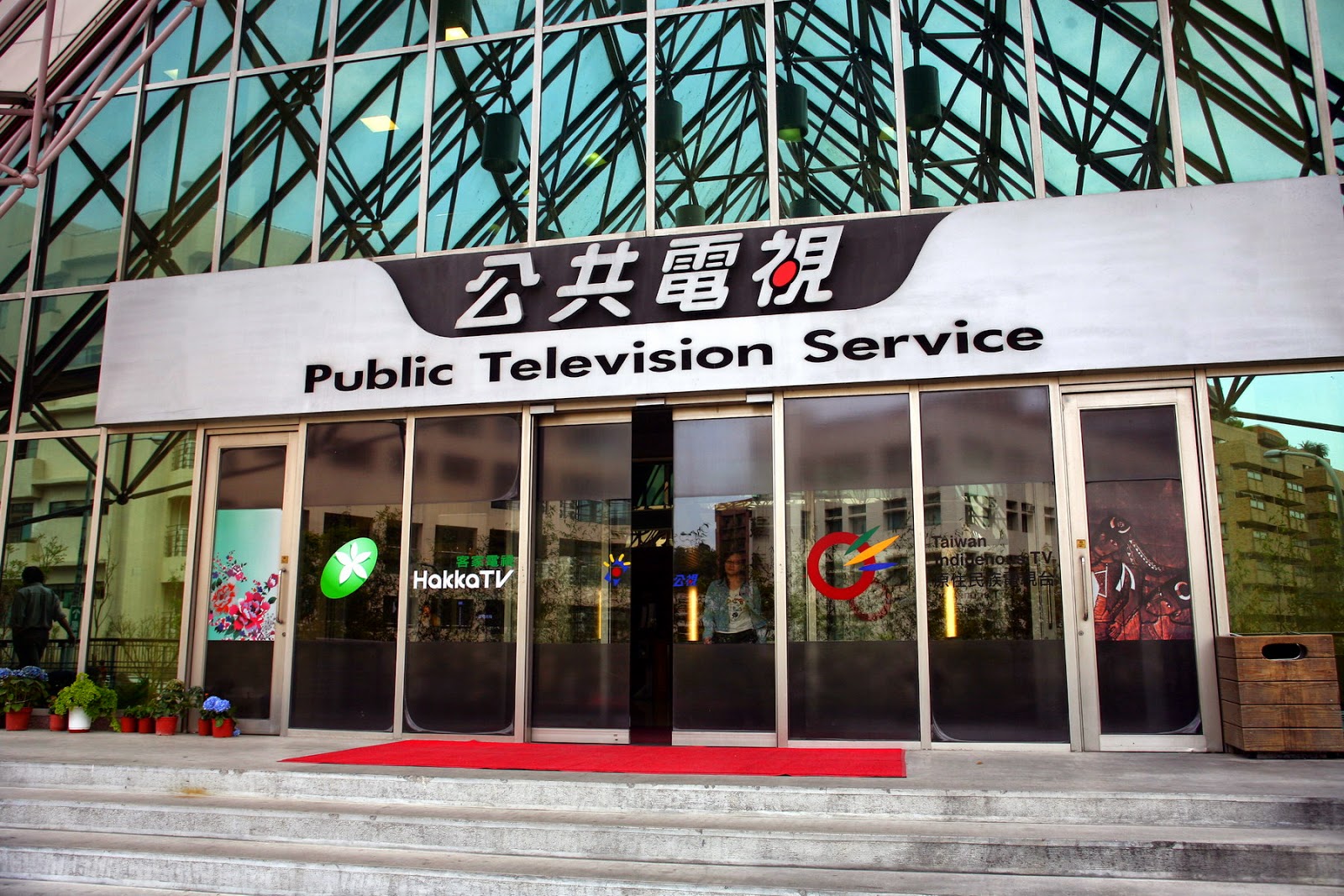
Featured Image: The exterior of the Thai PBS building. Credit: Thai PBS
Related Posts

Supporting journalism and public media | The PMA Briefing
Calls to end killing of journalists in…

Cuts implemented, threatened, and rejected | The PMA Briefing
American public media announce cuts;…
Contrasting future for international public media | The PMA Briefing
Voice of Nigeria looks to a digital…

Reforms needed, promised, and enacted | The PMA Briefing
South Korea has passed a bill reforming…