

The PMA Briefing
Broadcasters face scrutiny over programming
8 July 2025
The BBC navigates new waves of criticism after the Glastonbury music festival; IRTP’s Head steps down after botching a new show dedicated to Peru’s President, which has divided opinions; and ahead of Malawi’s elections, MBC is urged to provide balanced coverage. Meanwhile, the reform of French public broadcasting suffers another defeat in parliament and Swiss public media has to make further savings.
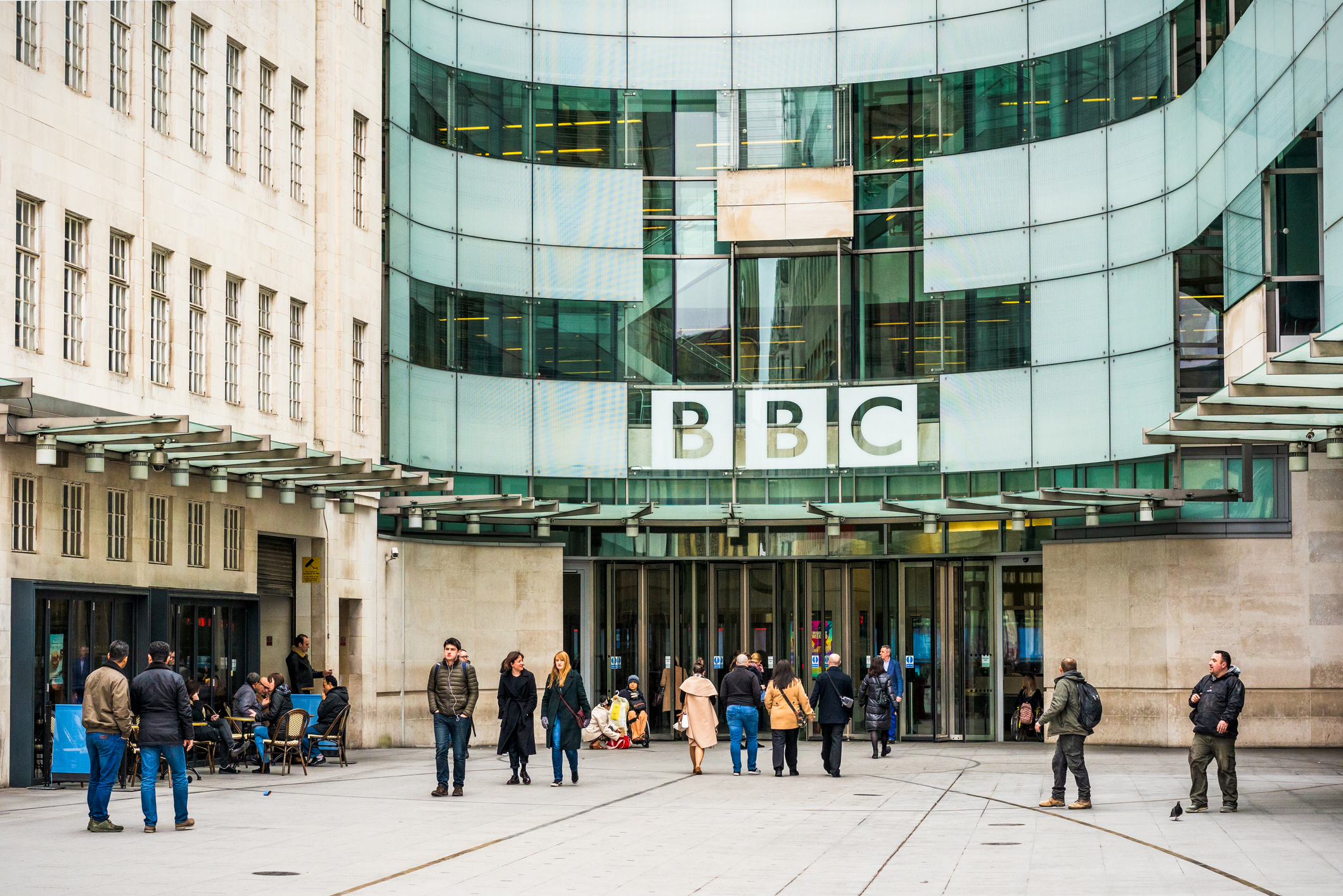
UK: BBC faces questions after Glastonbury
The BBC has come under pressure for its handling of a live performance during the annual Glastonbury music festival. During their set, the punk duo Bob Vylan led chants of ”Death, death to the IDF”, which was broadcast and streamed live across BBC platforms.
In a statement, the BBC outlined its actions during and after the performance, which included an order from the Director-General, Tim Davie, to ensure the performance was not re-broadcast or available for streaming. However, due to a technical glitch, the performance remained online for several hours. The BBC also apologised and accepted that the editorial team made an error in not cutting the feed straight away, while a small number of staff were subsequently told to step back from day-to-day duties.
The controversy triggered op-eds, opinion pieces, and podcasts over the role of public media, artistic performances and freedom of expression from across the UK media landscape.
Davie faced significant scrutiny. While the Chair of the BBC, Samir Shah, said, “The Board fully supports the Director-General and the swift actions taken by him and his team to identify these errors and address them,” the Culture Minister, Lisa Nandy said that the BBC leadership needed to “get a grip … Action has to be forthcoming.” This was in reference not only to Glastonbury, but also to a documentary on children in Gaza, which was broadcast in February and then taken down after it emerged the main subject was the son of a Hamas official, which had not been disclosed in the programme. A review on this is due to be published next week.
Malawi: MBC urged to produce balanced coverage ahead of elections
Two media bodies have met with the Malawi Broadcasting Corporation (MBC), urging the organisation to “ensure balance and fairness in its news and programming ahead of national elections in September”. In a joint statement, the Malawi branch of the Media Institute of Southern Africa (MISA) and the Media Council of Malawi (MWM) said, “The meeting was aimed at ensuring the public broadcaster plays a critical and constructive role in the current election cycle.”
It follows concerns over the direction of the MBC under its current Director-General, George Kasakula, who has faced criticism for overseeing biased and overtly political messaging across the broadcaster’s platforms. One group of citizens urged the media regulator, MACRA, to intervene and investigate. During Independence Day celebrations, Kasakula called for responsible journalism based on “informing, not dividing”.
Following the meeting with MISA and MWM, the MBC said it would commit to fair coverage, while new programmes would be launched to hear from all sides.

Peru: IRTP Chief quits over presidential TV show
The head of IRTP has resigned, after botching a new programme, which would give the country’s President her own 30-minute show. “Cada domingo a las 8” [“Every Sunday at 8”], as first reported by Panorama, would see President Dina Boluarte interviewed by a TV Perú journalist, about her childhood, journey into politics, and current slate of work.
Many ministers publicly gave their support to the programme, according to Infobae. “She has every right to express the guidelines of her government and the actions she takes through the media she deems appropriate,” said the Minister of Economy and Finance, Raúl Pérez-Reyes. But there was criticism from the Peruvian Press Council who warned against giving such airtime to the president, especially given it has been nearly 250 days since she last did an interview with the press. Inside the organisation, there was consternation about the programme, and former IRTP President, Joseph Dager, said it would undermine the broadcaster’s independence.
However, the programme, which was reportedly in the works for months, was plagued by delays, and, at the end of June, the head of IRTP, Ninoska Chandía, was forced to resign. Chandía – who was close to the Boluarte administration – was beset with controversies during her term.

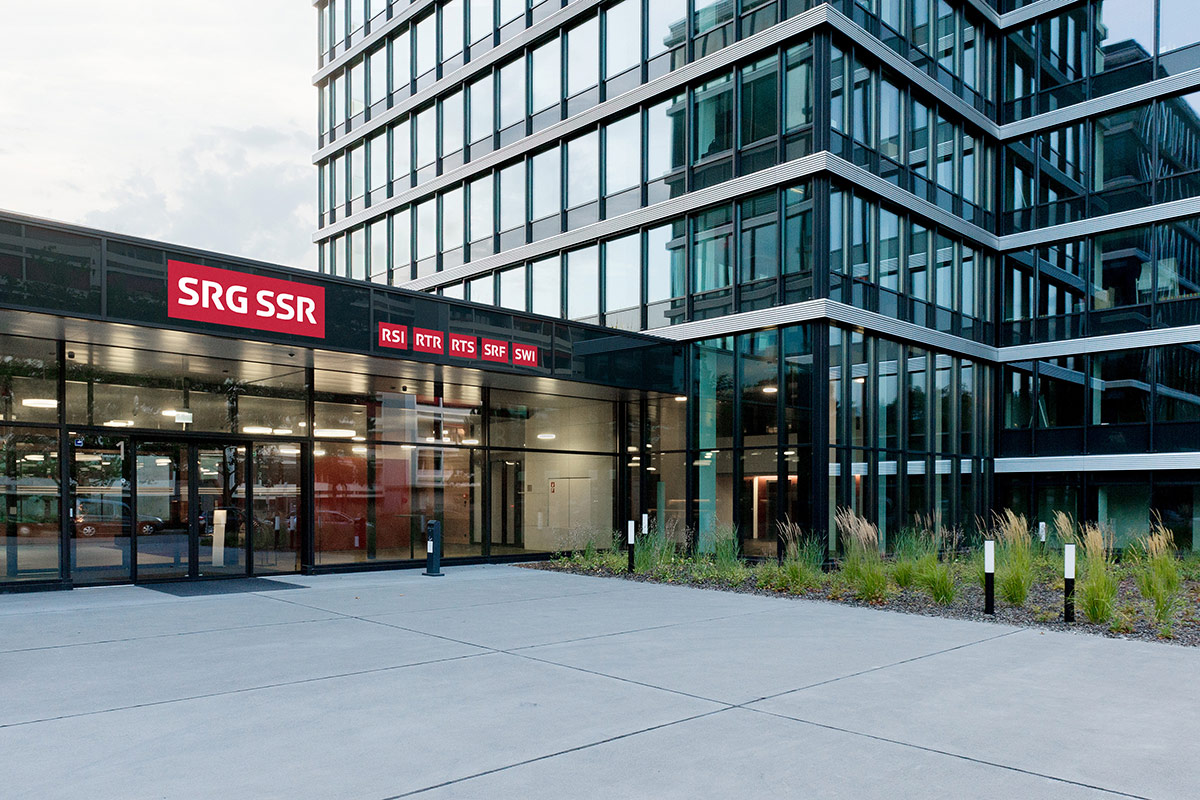
Switzerland: SRG SSR unveils restructure plans amid cuts
With SRG SSR having to save around CHF 270 million by 2029 – or 17 percent of its budget – the public broadcaster has announced the next step in its plans to restructure. The Federal Council had previously ruled that the licence fee should be reduced from CHF 335 to 300 by 2029. Additionally, companies will be exempted from the fee.
According to SRG, they will have to make savings of CHF 215 million by 2027 – too fast and large to impose on its regional units RSI, RTR, RTS and SRF. As a solution, SRG has proposed a significant restructure. With a special focus on further developing regional collaboration, and digitising its offer, the new SRG plans to be more agile while keeping the needs and interests of its audience at the centre. These saving plans are part of the “Enavant SRG SSR” initiative, aimed at transforming the public broadcasting company to improve its efficiency and financial sustainability. The implementation will begin in 2026.
Due to additional revenue losses, the regional organisations have also started cost-cutting measures. The German-speaking SRF announced it was terminating 66 positions, while the French division also decided to make cuts, with 60-70 positions being eliminated as part of a CHF 16.5 million savings plan to be fulfilled by 2026.
However, a new federal study revealed the damage that too many budget cuts would have on Switzerland’s public media. And although the “SRG Initiative”, launched by the far-right party SVP to reduce the fee to CHF 200, was rejected by parliament earlier this year, risks remain that the initiative will be put again in the ballot in 2026, according to Blick.
France: Public broadcasting reform returns to Senate
The French public broadcasting reform failed to pass the parliament’s approval, rejected by 92 votes out of 132. The proposal that aimed at bringing the three public media entities under one umbrella holding company will now return to the Senate. This decision was a setback for the Minister for Culture, Rachida Dati, who made this reform her flagship project.
But according to Mediapart, Dati has not yet given up. She reportedly has already started work on getting the text back through the Senate, in the hope for the National Assembly to re-examine the proposal in September.
The Minister has already tried three times to bring this reform project pass. However, opposition is strong, both at political level and among employees of the organisations concerned. While the executive of France Télévisions seems to support the reform project, the same cannot be said of Radio France, the INA and France Médias Monde (FMM). In protest, employees of France Télévisions, Radio France and FMM went on strike to force the government to back down. Although FMM was no longer affected by the reform, the FMM unions felt that the government had “clearly” left the possibility of FMM being integrated into the holding company by 2028 open.”
At the same time, France Télévisions announced not only that the FMM channel France24 would now be available on its platform, but also that it started a partnership with Prime Video so the audience can access all the content of France Télévisions via the streaming platform.

Featured Image: The building of France Télévisions in Paris. Credit: Patrick Janicek/Creative Commons
Related Posts
On the brink of reform | The PMA Briefing
Public broadcasting reforms are on the…

Can cuts to public media be avoided? | The PMA Briefing
As the Swiss National Council rejects a…
Standing up for public media | The PMA Briefing
Standing up for PSM: German-speaking…

New deals for content | The PMA Briefing
Argentina’s kids TV channel unveils a…