

The PMA Briefing
Cancelled licences, threatened closure, and funding boost
9 September 2026
The Netherlands’ government says it will revoke the licence of the conservative public broadcasting association, Ongehoord Nederland, while the regional public broadcaster, MDR, in Germany faces an existential threat after the electoral success of the AfD in Saxony-Anhalt. Plus: Brazil’s president proposes giving the national public media system a funding boost, and the GBC director general unveils three public service principles that will guide them.
Netherlands: ON! to have licence revoked by the gov’t
The government says it will revoke the licence of the public broadcaster, Ongehoord Nederland (ON!), which is accused of breaching editorial standards, and refusing to cooperate with the wider public media system.
The Dutch public media system has the Nederlanse Publieke Omroep (NPO) as the umbrella organisation, underneath which sit 13 broadcaster associations, which individually produce content for their different audience groups. However, since 2023, twelve of the broadcasting associations have been in a standoff with Ongehoord Nederland (ON!), which has found itself at the centre of ongoing controversies, and has been repeatedly publicly scolded by the public media ombudsman. NPO has been treading a fine balance between ensuring fairness, remaining compliant with the law, and also recognising how disruptive the situation has become.
However, the government’s intervention marks the most significant step so far. The decision stems from ON!’s most recent controversy: the broadcasting of a programme in which a clip of Hitler was shown, which led to the resignation of the editor, Joost Niemöller. In a letter to minister Letschert of Education, Culture and Science, the media regulator said the programme “fits a pattern of ON! failing to uphold journalistic quality standards”. It added that ON! – a conservative broadcaster launched in 2022 – has fulfilled two legal bases upon which the minister has the authority to revoke their licence: it has had two formal measures imposed on it by the authority within one year, and it was deemed to no longer meet the requirements for the “proper organisation, management, and control of business processes.”
Following on from the regulator’s intervention, NPO released its own statement which also accused ON! of “structural non-compliance with the [journalistic] code” and of “failing to … cooperate”, which was damaging the wider public media sector. The company said the only further option available to it was to request the minister to remove its recognition.
This led to the press conference on Tuesday in which the minister Letschert said “There are clear rules for broadcasters who want to produce programs with taxpayers’ money. And if you consistently fail to comply with them, then it has to stop at some point.” The director general of ON! said they had taken action after the clip, and would also “see how we can litigate against this.” he said.

Germany: Threatening election results for public media
For several seconds, there was silence. The screens went black and the radio fell silent.
The few seconds were part of a campaign, seeking to illustrate what would happen if there were no longer any public service media. It was organised by MDR, the German regional public broadcaster serving Saxony, Saxony-Anhalt and Thuringia, a few days before the elections. For several months, there have been concerns that the state elections would bring success for the far-right populist party, Alternative für Deutschland (AfD), which promises to abolish public broadcasting. Those fears were well-founded. On Monday, people in Saxony-Anhalt woke up to the “landslide victory” of the AfD.
One of the key concerns is the intentions of the Saxony-Anhalt leader of the AfD, Ulrich Siegmund, who promised his first official act would be “to terminate the broadcasting treaties” and introduce a “basic broadcasting” service. What would it mean for MDR? Effectively, the AfD can terminate the interstate treaty with an absolute majority, which means MDR broadcasting would cease by 2029. But an alternative must be in place to replace it, as public broadcasting cannot be silenced by law. According to media expert Hubertus Gersdorf, the basic broadcasting services the AfD intends to set up would not meet the constitutional requirements of journalistic service, independence and funding.
Before the elections, MDR stated it would take legal actions against AfD’s attempt to cut off their operations.
Brazil: EBC gets budget boost from president
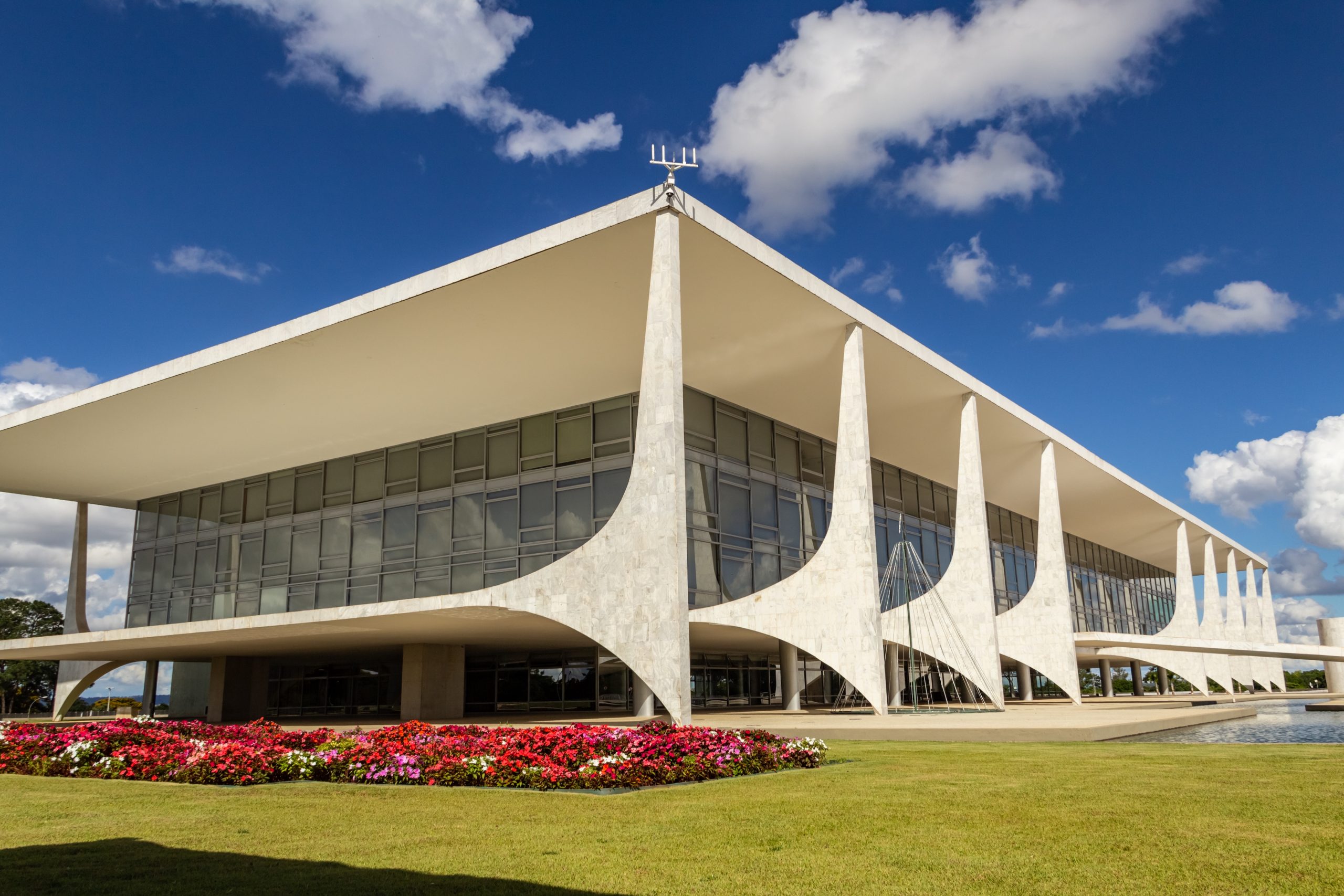
The president of Brazil has proposed giving the country’s public media system its largest budget since 2017. The Annual Budget Bill, which was sent by President Lula to the National Congress for approval, would give R$207.9 million (US$40.5 million) to the Empresa Brasil de Comunicaçao (EBC), which oversees TV Brasil, Rádio Nacional, and Agência Brasil. The funds are specifically earmarked for non-mandatory expenses.
In a statement, the organisation said the funding increase is R$50 million (US$9.7 million) more than last year, and is the highest for nearly a decade. “This budget achievement stems from the Federal Government’s recognition of the company’s growing importance since 2023 and the significance of future projects the company has begun undertaking,” said Antonia Pellegrino, the president of EBC. She pointed to projects at the EBC, such as the launch of TV3.0, and its expanded network of partner stations.
While the funding comes at a moment of celebration for EBC – with Rádio Nacional marking its 90th anniversary on Saturday 12 September – it also arrives when the president is facing some pressure. Ahead of the general elections on 4 October, the organisation decided to remove tens of thousands of pieces of content, in order to comply with electoral reporting restrictions. She later blamed a “lack of clarity” for the decision, and the EBC subsequently started re-uploading the content. However, the saga has continued to attract detractors. The lawyer and journalist, Marcos Daniel Santi described it as “the most serious symptom of a chronic crisis plaguing public communication in Brazil: the inability to distinguish the duty to inform from the crime of promoting a particular administration.”
Ghana: New public service principles unveiled for GBC
The director general of the Ghana Broadcasting Corporation (GBC) has unveiled three new guiding principles, which will underpin the organisation’s public service mandate. On the occasion of the inauguration of the new board, Amin Alhassan said the GBC would provide: universal access, diversity of content and support for government communication and national development.
“Wherever you are in the country, we have a duty to make sure you have access to our content, whether it brings money in or not,” Alhassan said. He also emphasised the work the GBC already does in broadcasting in 25 languages across TV and radio services, and further recognised it is part of the constitution that the GBC supports the government in the delivery of a national development strategy.
Additionally, Alhassan acknowledged that the GBC is about to begin a new phase in its own development, which will see modernised operations, a more devolved structure, and a possible alternative funding model. Earlier this year, the president of Ghana questioned whether the existing licence fee was fit for purpose.

Featured image: NPO’s headquarters in Hilversum. Credit: Jan Willem van Hofwegen
Related Posts
Resets, legal challenges & streaming growth | The PMA Briefing
Public media resets unfold in Hungary,…

DGs, job cuts & funding crises | The PMA Briefing
An ORF board member files complaint…

Severance, uncertainty & damaged archives | The PMA Briefing
National broadcasters face scrutiny in…

Funding pressures and state media reform | The PMA Briefing
Politicians are targeting public media…