

The PMA Briefing
Clampdowns, agreements and new hope
11th March 2025
While reforms and new laws provide a boost to the independence and sustainability of media in the Czech Republic and Malaysia, crackdowns and political and economic pressures continue elsewhere. In the Pacific Islands, a major research project has revealed the pressure points – and remarkable resilience – of media there. While in Nigeria, national media have signed a partnership with China Media Group.
Czech Republic: Licence fee to be increased
After months of debate, the Czech Parliament agreed to an increase of the public broadcasters’ licence fee – the first in more than a decade. The household broadcasting fee will now be 150 crowns (€6) for Czech Television (ČT) and 55 crowns (€2,2) for Czech Radio (ČRo), along with an annual indexation to account for inflation. It will also expand the number of contributors, with the licence fee now applying to those who consume the broadcasters’ content on devices such as laptops and mobile phones. The increase is “further supporting the independence of public service media in the spirit of freedom and democracy”, said member of the Media Affairs Committee, Jan Jakob.
The new licence fee should come into effect in May 2025. Additionally, advertisements will be limited on ČRo broadcasts; while a proposal that the two public broadcasters should play a role in the fight against disinformation was abandoned.
The changes were supposed to come into effect at the start of the year, but strong opposition from a far-right coalition delayed its implementation, in what some said was an effort to weaken the independence of the public broadcaster.

Pacific Islands: State of the Media
The use of the internet for news in the Pacific Islands has skyrocketed but, despite impressive resilience, the region’s media is facing unprecedented pressure, including from governments.
The findings are in a significant report released this week by the Australian Broadcasting Corporation (ABC), which collaborated with the Stretton Institute at the University of Adelaide for a project funded by the Australian government’s Pacific Media Assistance Scheme. Fieldwork and interviews were conducted with more than 100 media personnel in the Federated States of Micronesia, Fiji, Kiribati, Republic of the Marshall Islands, Nauru, Niue, Palau, Samoa, Solomon Islands, Tonga, Tuvalu and Vanuatu.
Among the findings were worries voiced by several interviewees about increased regulation and funding pressures, which could hamper the ability to work freely – a problem that seemed particularly acute in the Pacific’s smaller countries. Many of the Pacific’s media organisations are government owned or funded. The report also found that journalists in nations with smaller populations were more likely to avoid covering topics to not inadvertently cause offence to community or family members or generate societal tension.
The findings have been compiled into a comprehensive summary of the state of the media in the Pacific, with individual reports for each country and territory. The last time similar research was carried out was in 2013.
Since then, Fiji and Samoa now have internet access rates of 85 percent and 75 percent respectively, a sharp rise from 2013 figures of 28 percent and 7 percent. That surge has brought unprecedented access to news and information, but also a drastic spike in mis- and disinformation.

Malaysia: Media Council formed after decades of advocacy
After more than half a century of advocacy, Malaysia’s parliament has passed a bill to establish the Malaysia Media Council.
If approved by the Senate, the Council would be independent and self-regulating. “The process is still far from complete and this is just the beginning, but this represents a significant victory for media freedom in Malaysia,” Digital and Communications Minister, Fahmi Fadzil, said at a news conference.
The 21-member Council will be made up of media company executives, media practitioners, and non-media members including academics and NGOs, as well as two government nominees.
In a co-signed statement, the establishment was welcomed by 17 civil society NGOs – including Article 19, the IFJ, and the National Union of Journalists Malaysia – who called it a “significant step towards fostering an independent, multi-stakeholder regulatory and accountable media ecosystem.”
“By setting ethical standards, implementing a grievance and dispute resolution mechanism, and promoting professional development, the MMC will empower journalists and media practitioners to operate freely while adhering to the highest journalistic principles and practices,” the statement reads.
However, it said concerns remained over the Bill, including an objection to government representatives, and that the Council must be adequately empowered and resourced.

Argentina: Media clampdown continues
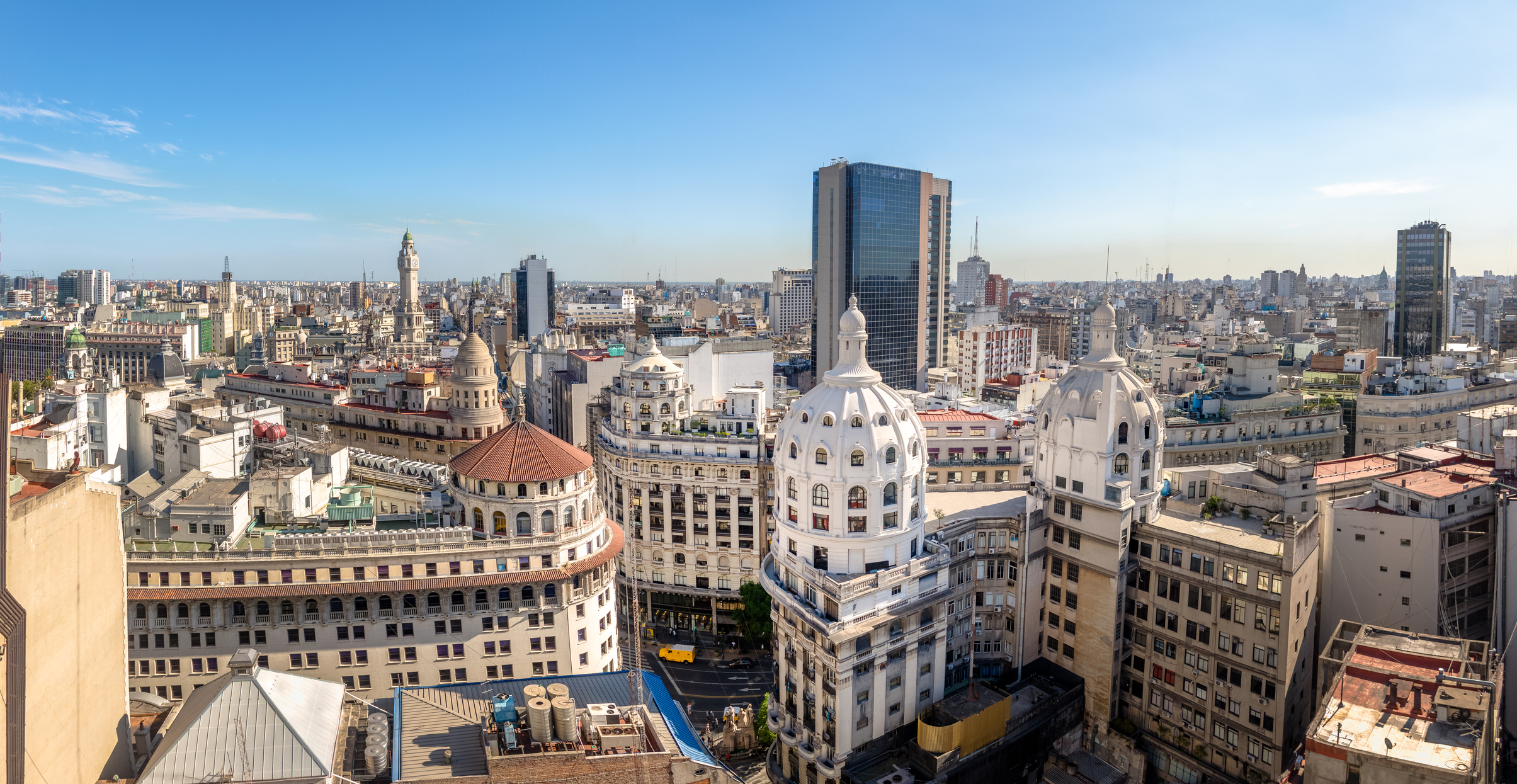
The president of Argentina has continued his campaign against the country’s media, with Javier Milei reported to be mulling new rules for the media and its access to the government.
There have been reports that measures could include a mute button at press conferences, although a government spokesperson said, seemingly half-jokingly, that it “wouldn’t be bad”. Other measures under consideration include a system where journalists in the presidential press pool are nominated by the people and the opening of access to streamers and influencers.
This week, Milei also celebrated the withdrawal of government advertising from all media, saying he did not need “lying journalists paid for by the public treasury.”
The continued clampdown comes one year after the public media agency Télam was shuttered by the Milei government, with significant cuts also at Radio Nacional and La TV Pública amid other promises to dismantle or privatise public media. In November 2023, the Public Media Alliance spoke out strongly against any such proposal.
Nigeria: National broadcaster signs MoU with China Media Group
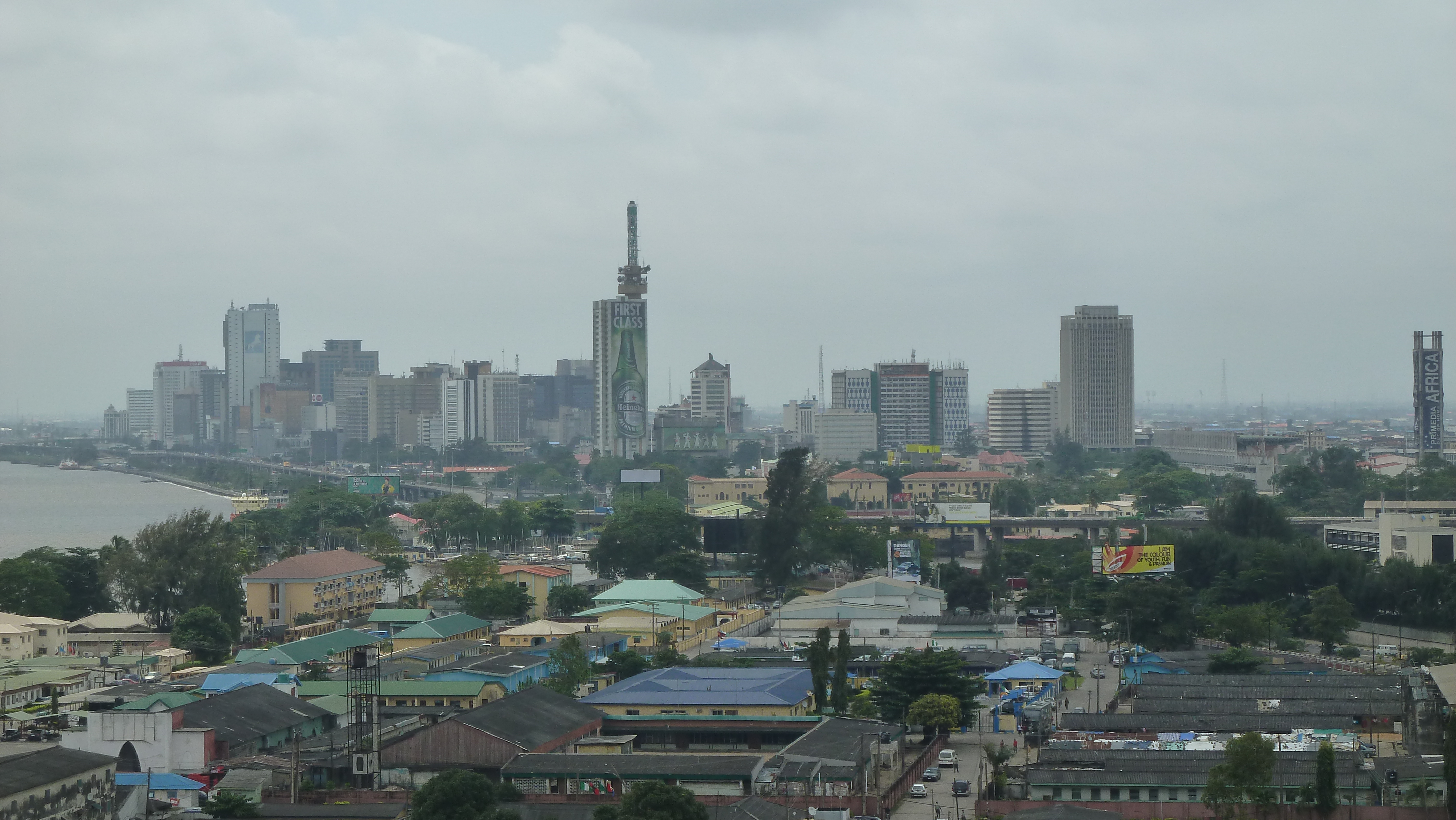
In September 2024, the Chinese state media company China Media Group (CMG) signed cooperation agreements with Nigerian national broadcasters, the Federal Radio Corporation of Nigeria (FRCN) and the National Television Authority (NTA).
The aim is to strengthen collaboration through content exchange, information sharing and the transfer of technologies. The Nigerian Minister of Information and National Orientation said such collaboration would enrich Nigeria’s media landscape and expand broadcasting operations.
Nigeria is not the only country in Africa to have recently formed partnerships with Chinese state media. Similar ties have also been formed with Zimbabwean media and the Kenya Broadcasting Corporation. However, the growing number of MoUs have raised serious concerns about their extent, the conflicting values between public service and state-run media, and the geopolitical motives of such agreements. The surge of investment in African media by China – including the training of African journalists and technology exchanges – is something that has been welcomed by many broadcasters across the continent although there are concerns about what this means for media freedom in the long term.
Featured Image: Honiara, Guadalcanal, Solomon Islands – National Parliament Building of the Solomon Islands. Credit: Graeme Snow / Shutterstock.com
Related Posts

Public broadcasters apologise for editorial failings | The PMA Briefing
Both the BBC and DR own up to failings,…

Conflicting ideas for public media | The PMA Briefing
From Canada to Czech Republic, France…
How to make news sustainable | The PMA Briefing
Concerns arise as Australia's gov't new…

Restructures & reforms take hold | The PMA Briefing
Argentina’s gov't maintains oversight…