

The PMA Briefing
Emergency broadcasts, and governance & funding reforms
10 February 2026
The BBC launches emergency broadcasting service in Iran amid a widespread blackout, while broadcasters in Zambia, Lithuania and Lebanon all look at governance changes. Meanwhile, the SABC’s new funding model is discussed in parliament but kept secret.
UK & Iran: BBC WS airs emergency broadcasts amid Iranian media blackout & funding uncertainty
An emergency lifeline radio programme has been temporarily launched in Iran by the BBC World Service, amid the country’s month-long internet blackout. This is despite the World Service’s funding deadline approaching in just under two months, and no word yet from the government on what the new settlement will be.
The BBC World Service – which has previously established emergency broadcasting services during other major global crises – will broadcast a short-term programme transmitted via medium and shortwave frequencies across the country until the end of March 2026. The programme intends to expand public access to trusted information, offering news coverage and analysis on the latest developments shaping Iran amid increased protest crackdowns by the government.
However, it has come at a time of uncertainty for the BBC World Service, with the corporation’s outgoing director general warning its current funding arrangement runs out in seven weeks, and still no clarity from the government over its funding settlement. “I urge the government to back the World Service, to act decisively and confidently about what we can achieve in this space, and to act soon,” Tim Davie said. He warned it was essential at a time when other western news media were cutting their international services, and trust in Chinese or Russian state media was growing.
Prior to Iran’s internet blackout, which has been imposed for a month by Iranian authorities following nationwide protests, BBC Persian’s digital services recorded their largest reach in a year, to over 33 million people and one in four adults in Iran. Fiona Crack, the Interim Global Director, BBC News, said this was “an astonishing feat considering their reporting is banned in the country.”
Meanwhile in the UK, Iranian journalists in exile working for the BBC have been warned that the Iranian state is closely tracking the movements of both them and their families in Iran. A number of credible intimidations have been directed at journalists in the UK reporting on the Iranian crisis, including the stabbing of a reporter outside his home in London.
South Africa: Alternative SABC funding model kept private
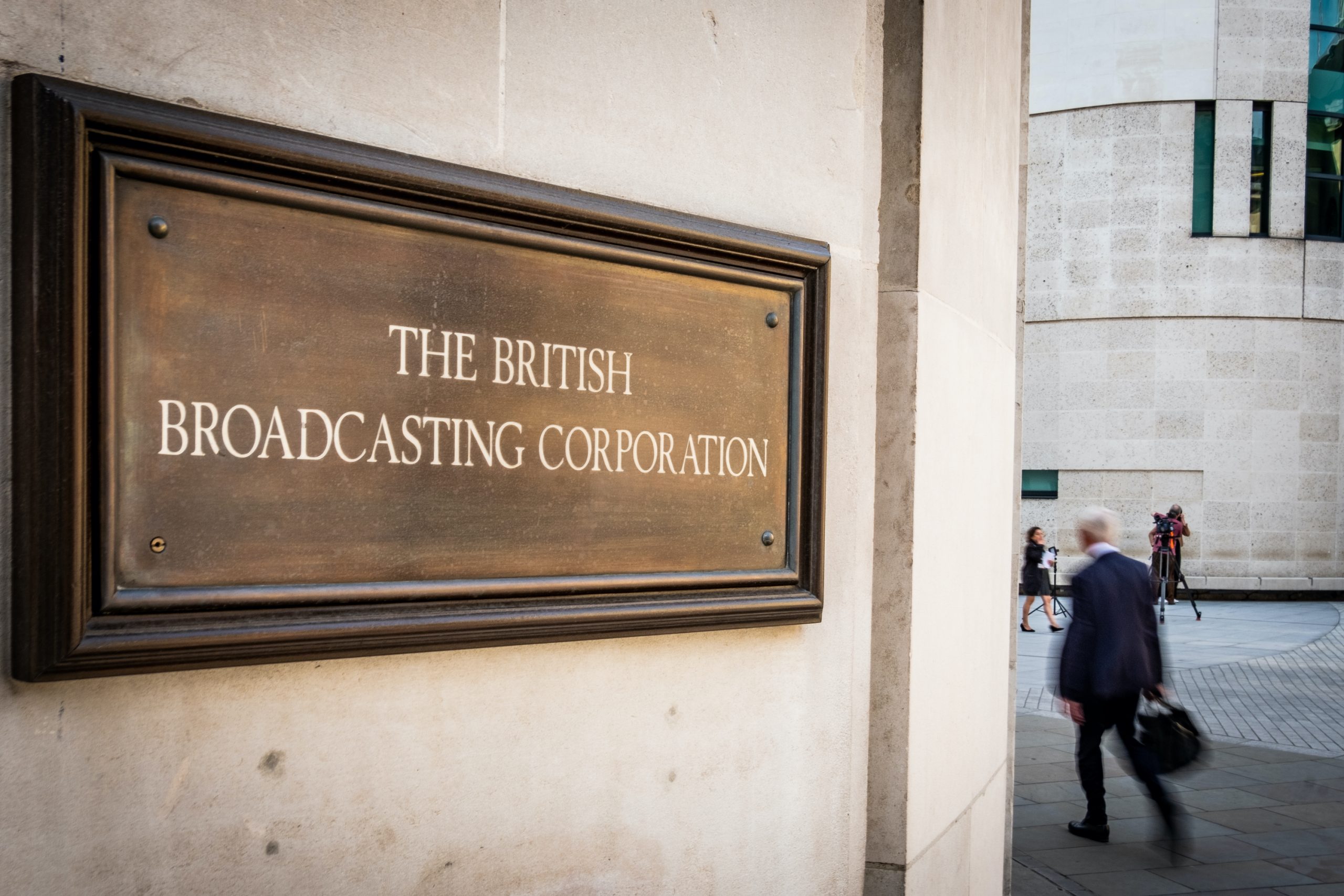
The SABC’s future funding model has been discussed in parliament, but kept private. On Friday, the communications minister organised a meeting with the parliamentary communications committee to discuss the proposal. However, the communications minister requested that the meeting be kept behind closed doors. “The request is solely based on making sure that the integrity of the incomplete process can be protected rather than any other, you know, clandestine attempts,” Solly Malatsi said.
Also at the meeting was BMIT Knowledge Group, a private company which was commissioned by parliament in September to devise the alternative funding model.
Despite most of the meeting taking place behind closed doors, the head of BMIT, Chris Geerdts gave a broad overview of their proposal during the open session. A hybrid model of both commercial and public revenue sources was proposed, as was also relaxing some of the regulations on the SABC. It is widely recognised that the funding model desperately needs reform, with a current licence fee evasion rate of around 85 percent.
Lithuania: Changes planned for LRT’s governance
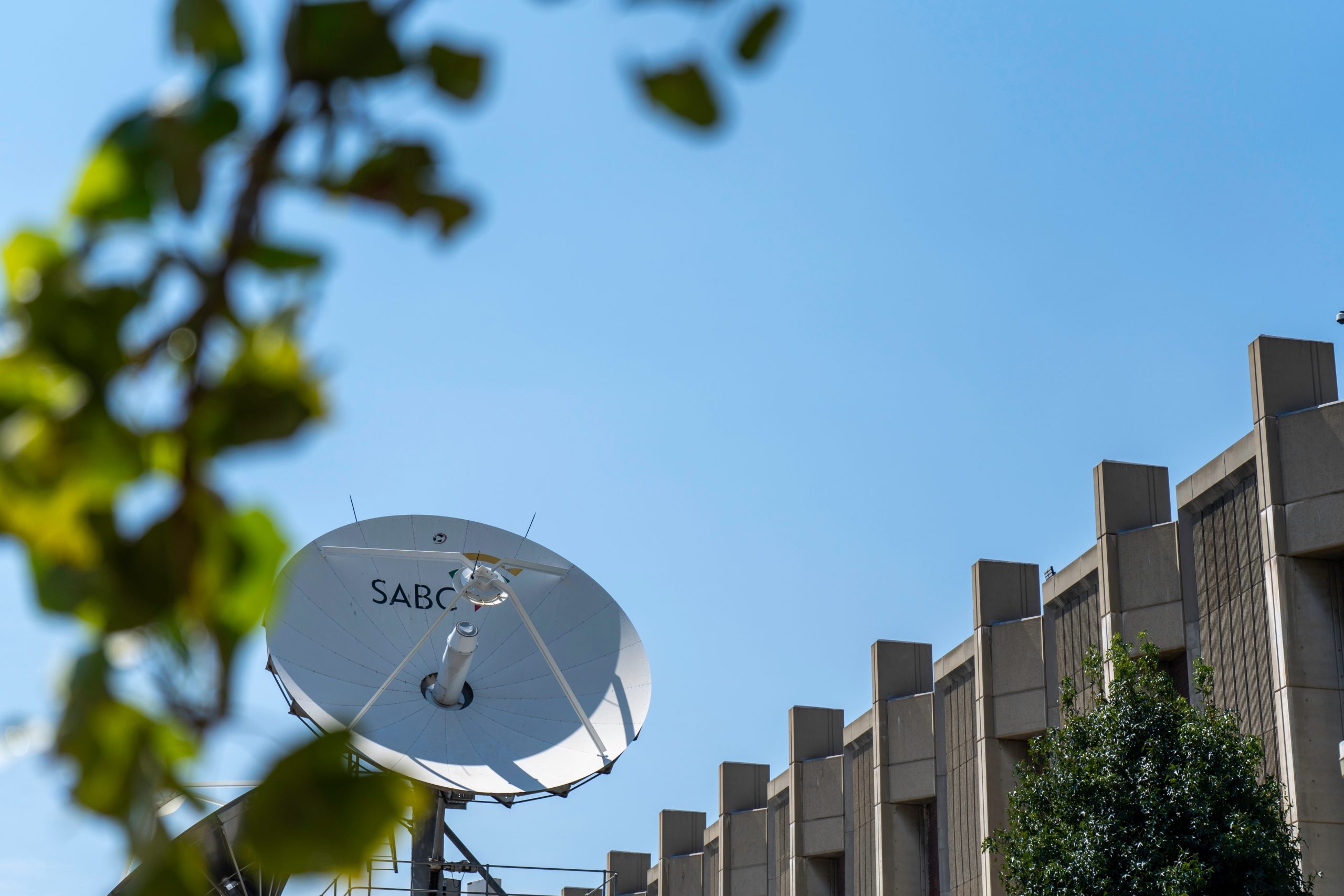
A parliamentary working group has proposed creating a new board and expanding the number of council members for LRT, despite opposition from the public broadcaster. The working group is responsible for reforming the governance structure of LRT, and submitting law amendments to be voted on by the Seimas.
The new board would be responsible for overseeing the work of the executive. The LRT Council would hold an advisory role. Under the new structure, four council members would be appointed by the president, four by the Seimas (two from the government, two from the opposition) and the remainder by non-governmental organisations.
One conservative member of the working group had suggested an alternative composition, where the president and the Seimas would appoint just two members each, but this was rejected. The LRT management have previously stated their opposition to any governance reforms, but the working group said many experts had spoken in favour of a new board.
The working group has been controversial from the start. LRT journalists were invited to participate but turned it down. “Our position on this law has been clear since the first protest and has never changed: to reject the amendments on LRT being debated in parliament and not to return to them. Not to revise them, not to repackage them, but to reject them,” said Deividas Jursevičius, an LRT representative.

Zambia: Implementation of broadcasting reforms underway
After the passage of the ZNBC Act late last year, the work has started on drafting up the necessary regulations so the Act can come into effect.
The ZNBC Act was passed in December 2025 and replaced the former ZNBC Act which was passed in 1987. The new act overhauled the governance of ZNBC, so the board now also includes more diverse representatives, including those from higher education, a professional media body, and the NGO sector. It also expanded the revenue streams for the ZNBC, which will be funded via a broadcast levy, but can also receive funding through parliamentary appropriations. In November, the Acting Information and Media Minister Felix Mutati said the bill “modernises standards, broadcasting frameworks, to meet technological, financial and governance needs.”
Accompanying regulations are now needed to implement the act, and according to ZNBC, the Information and Media Permanent Secretary Thabo Kawana has urged drafters of the regulations to accelerate their work, so it is completed before the dissolution of parliament. However, both ZNBC Acting Director Legal, Inutu Himanje and Acting Director General Reuben Kajokoto, urged patience.

Lebanon: New era of Lebanon TV but deep-rooted challenges remain
Lebanon Television is entering a new era, following the appointment of a new board of directors. After years of stagnation, the selection of chair Elissar Naddaf has unlocked the way to long-anticipated reforms, marking a “necessary and positive step” for the institution to re-establish its role as public service media following prolonged operational dysfunction and financial decline.
Yet while the new board signals a step towards recovery, deep-rooted challenges continue to shape the broadcaster’s reality. Staff have kept the organisation running under difficult conditions, often earning below the minimum wage, prompting sit-ins and strikes in protest. At the same time, Lebanon Television remains heavily reliant on state funding, raising concerns about the long-term sustainability of its finances. Journalist groups have warned that reform efforts will remain limited unless meaningful improvements are made to employees’ salaries and working conditions.
Despite this, there are signs of hope that positive change is underway for the broadcaster. Board member Mohammed Nimer has pointed to ongoing evaluation workshops aimed at developing both short- and long-term operational strategies for the broadcaster’s revival. Modernisation steps are also underway, including the digitisation of Lebanon Television’s archive, a partnership with the Maharat Foundation to strengthen women’s representation in the media, and collaboration with UNICEF to produce children’s content that encourages greater participation in public life.

Related Posts
A renewed international focus; concern over political interference | The PMA Briefing
NHK’s new president vows a stronger…

Financial crisis, clarity on reforms, and strikes called off | The PMA Briefing
BHRT is mired in a financial hole; from…

Lay offs, shut downs & appointments | The PMA Briefing
RTM and Bernama join Malaysia’s Media…

Legal filings, a public media levy, and must-carry obligations | The PMA Briefing
Filings from the BBC seek to have the…