

The PMA Briefing
Energy crisis, funding uncertainty & bias accusations
28 April 2026
Thailand’s public broadcaster launches an energy saving campaign; the SABC’s funding uncertainty looks likely to carry on for some time; CBC/Radio-Canada’s president rejects accusations that the broadcaster is biased. Plus: leading international public media meet in Tokyo; IAHCR warns of a hostile information environment pre-election; and, strikes and protests in support of public media in Czechia and Lithuania.
Thailand: Thai PBS launches energy saving programme amid energy crisis
Turning the thermostat up by two degrees, installing LED lights, and improving the efficiency of the chiller system are some of the initiatives taken by Thai PBS to save on its energy costs amid a national energy crisis.
Thailand and other Southeast Asian countries have been hit hard by the Iran war and the ongoing disruption to the global energy trade. This has led to initiatives to cut usage, including from the prime minister, who urged Thais to carpool or work from home. Other countries in the region are also implementing strict measures, including four day work weeks for public servants.
The public broadcaster, for its part, has embarked on energy saving measures it said were saving up to 300,000 baht a month (just over US$9,000) and up to 20 tonnes of CO2 (equivalent) a year. Thai PBS staff are also being told to work from home for two days a week, which it said would reduce electricity consumption by 15 percent. These measures have accompanied a wider public campaign from Thai PBS, encouraging audiences to reduce their own consumption.
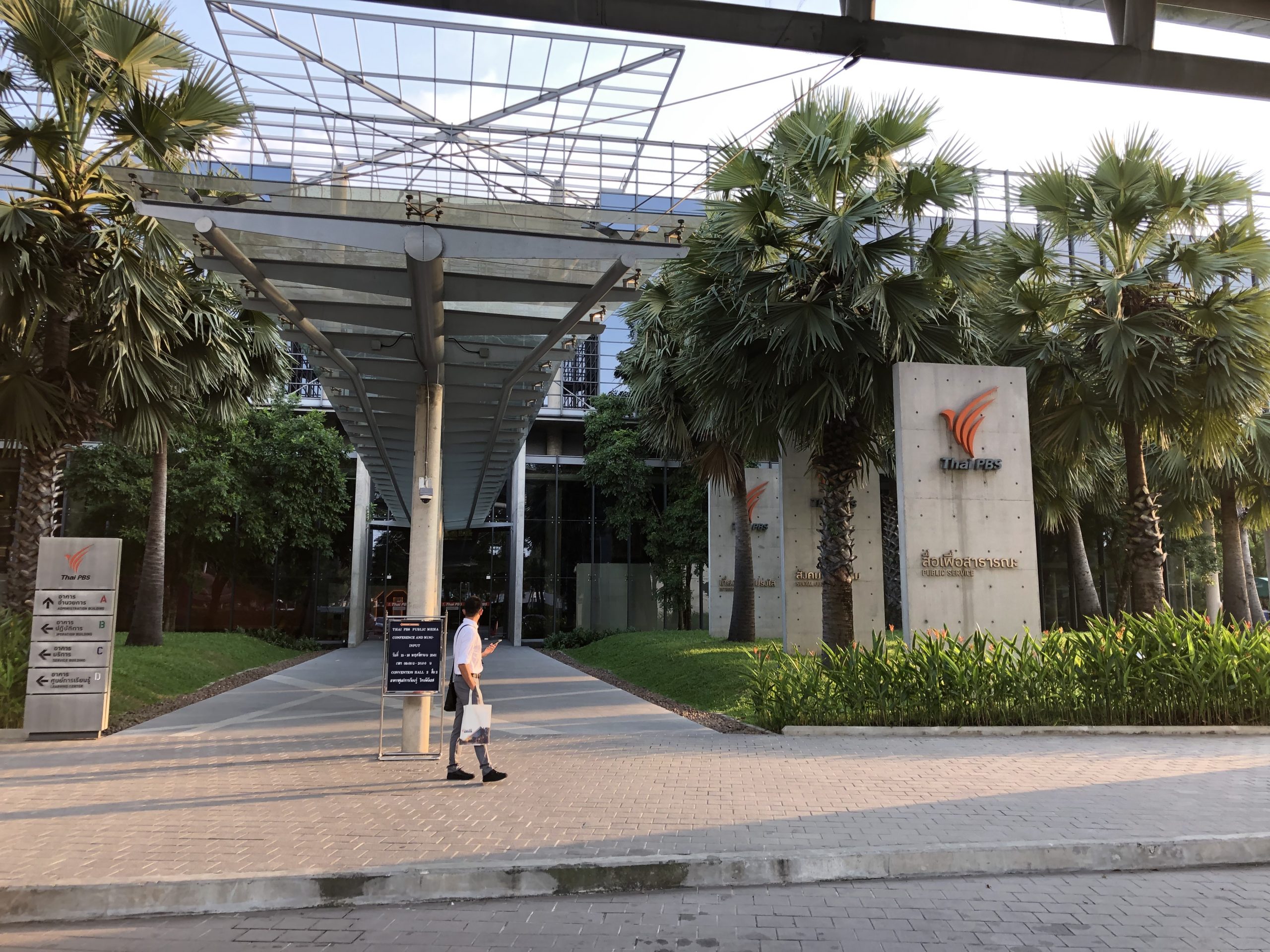
South Africa: SABC licence fee crisis deepens, reforms drag on
The long-awaited overhaul of the South African Broadcasting Corporation’s funding model remains a work-in-progress, with the revised bill not expected before Parliament until the 2027/28 financial year. However, a draft copy will be released for public comment before then, marking an important step towards removing the licence fee and securing a firmer footing for SABC to “fulfil its public mandate”.
The drive for a revised model comes from the collapse of the current mixed model of commercial and licence-fee derived funding – licence fee avoidance surged to 80% in the last year. With many South Africans questioning the relevance of the licence fee in an age of streaming, BMI TechKnowledge – who were tasked with developing a sustainable funding model for the SABC – proposed a varied mix of funding possibilities, including household levies, government grants, or one proposal to remove taxpayer funding altogether, given so few people were paying currently. BMIT also recommended easing content regulations to help cut costs and compete more effectively.
SABC’s CEO Nomsa Chabeli also raised concerns about the broader challenges of insufficient investment, warning the SABC will be unable to “build a digital future on failing infrastructure”.
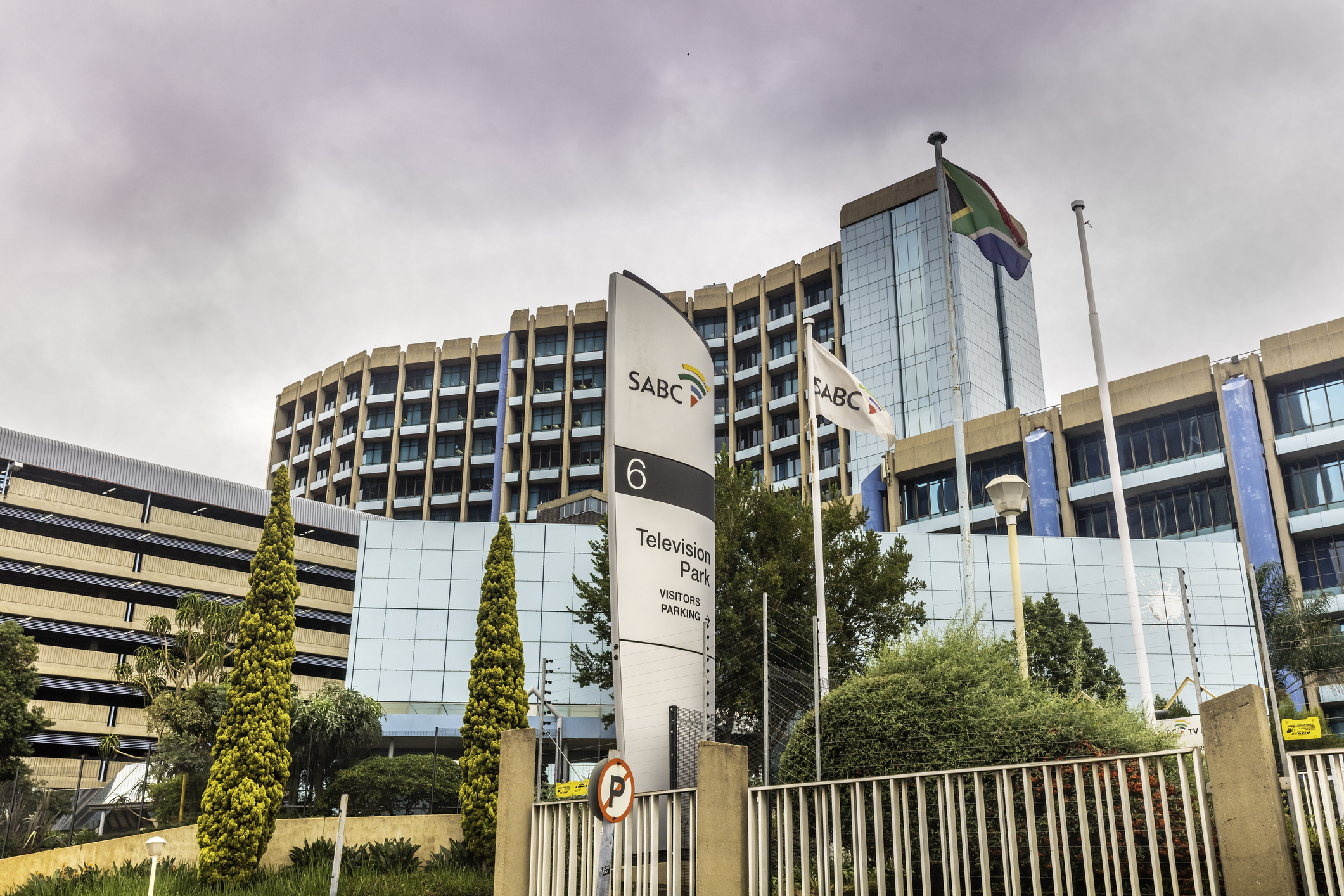
Canada: CBC/Radio-Canada president highlights contribution to local media; denies bias accusations
The president of CBC/Radio-Canada rejected accusations of bias at a parliamentary hearing, saying: “I will uphold the right of anybody to have opinions about our coverage, but I will stand by the quality of our journalism any day.”
It comes a month after former CBC presenter Travis Dhanraj made serious accusations about how he was treated by the broadcaster. Dhanraj, who has filed a human rights complaint, said he was “silenced and intimidated” for pushing for different viewpoints. At the time, CBC said it categorically rejected the allegations.
In her opening remarks, Bouchard also pointed to CBC/Radio-Canada’s contribution to the national media environment. She said it opened 11 new bureaus in January and shared content with local media. The broadcaster inked deals for minority language broadcasting, worked with community media, and had developed a podcast series with the Toronto Star, she said.
During the hearing, Bouchard was challenged by MPs and other media executives, who accused the public broadcaster of poaching staff from local media and entering markets where private media already existed.
Bouchard said where it does enter markets, the broadcaster looks to work with local media, and doesn’t seek to “extinguish” them.

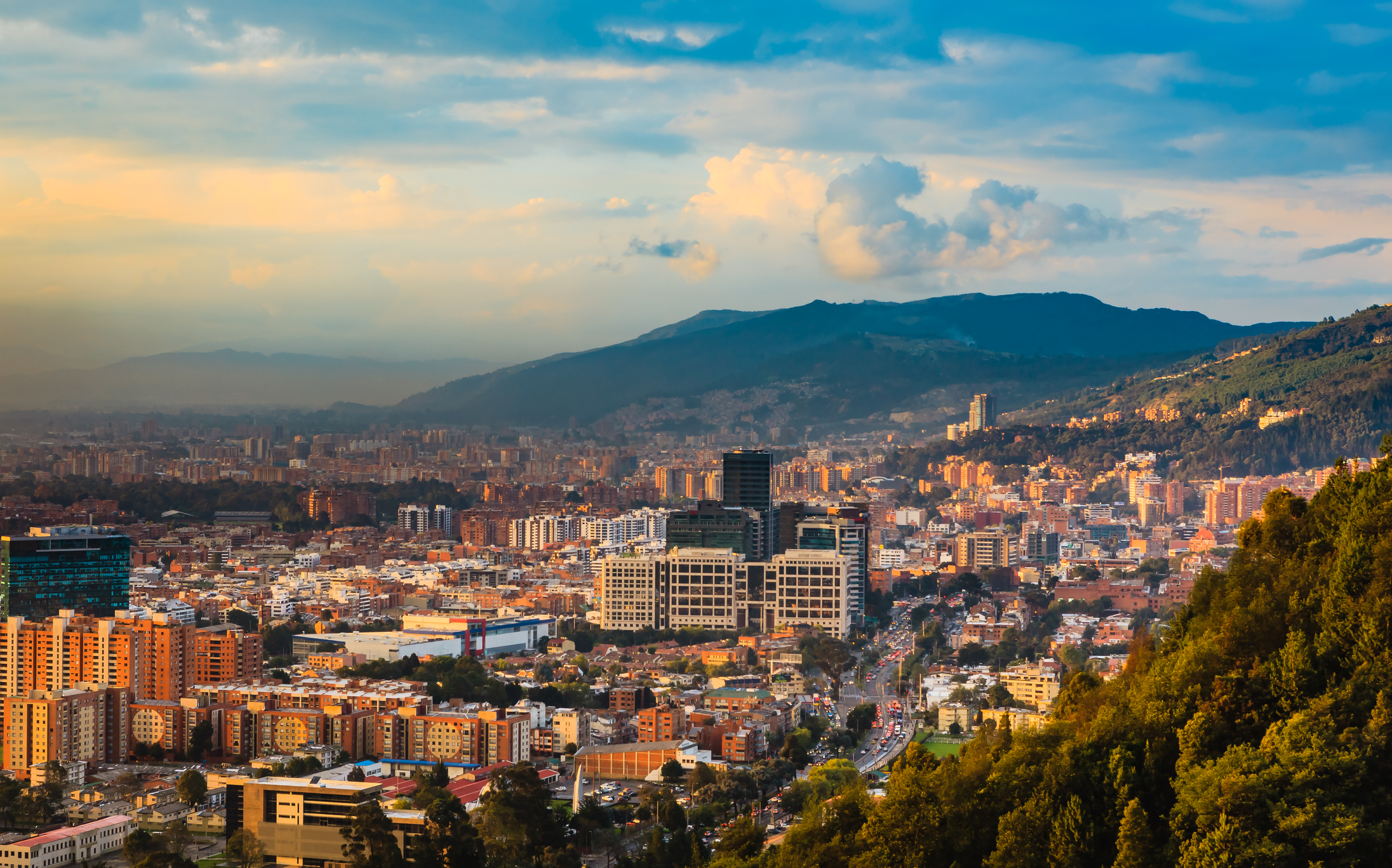
Global: NHK hosts summit of leading international public service media
Seven of the world’s leading international public service broadcasters convened in Tokyo to discuss major themes and challenges. On the agenda was the need for international broadcasters to collaborate to support democracy; the role of public media in times of crisis; how AI might fuel the spread of disinformation; and the need for a wider reach across international audiences.
The summit was held by the DG8, made up of eight international public media groups: ABC International, BBC World Service, CBC/Radio-Canada, Deutsche Welle, France Médias Monde, NHK WORLD-JAPAN, SWI swissinfo.ch. The US Agency for Global Media did not attend as it continues to deal with the fallout from Trump administration policies for public media.
The presidency of the DG8 will now pass from NHK WORLD-JAPAN to the BBC World Service.
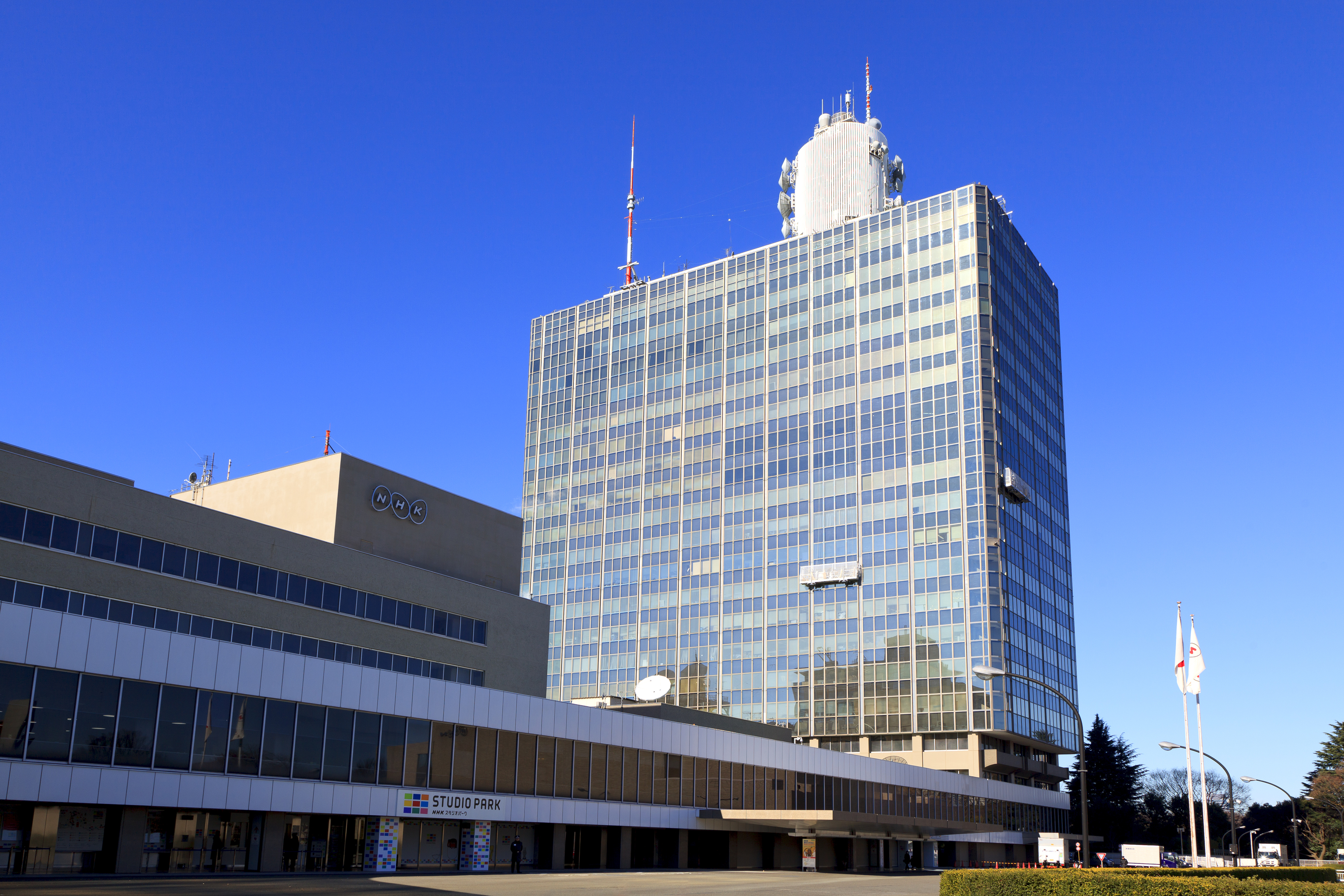
Colombia: RTVC accused of propaganda ahead of elections
The Inter-American Court of Human Rights, in its annual report, said it was concerned about a hostile information environment in Colombia ahead of national elections this year. It said it was worried about the public broadcaster, RTVC, having close ties and partial coverage of the Gustavo Petro government.
The IACHR report described the stigmatisation of journalists and the press by government officials and warned against the chilling effects it could have on press freedom.
In an article in “El Colombiano”, which cited the report, the broadcaster was likened to a propaganda machine. Instances of censorship and the silencing of critical voices were also reported. RTVC was also accused of discrediting other independent media outlets
Petro’s party, Pacto Histórico, came to RTVC’s defence, denouncing what it said was “persecution against RTVC and other public media”. It condemned an alleged cyberbullying campaign against RTVC management, staff and their families.
Lithuania and Czech Republic: Protests over the future of public broadcasting
“Hands off!” was the slogan that rallied 25,000 people in Lithuania to protest against proposed amendments to the law which governs LRT, the national broadcaster.
LRT council member Deimantas Jastramskis warned the bill as currently proposed would return to a time where “LRT leaders would constantly come to negotiate with the Government and the Seimas,” using the term for parliament.
He said it would increase the risk of political interference and financial pressures.
A smaller protest was held on 9 April by several LRT journalists, when they burst into a LRT council meeting, which had to be adjourned.
In the Czech Republic, students took the streets of Prague to protest a recent bill to change the licence fee, while the unions of Czech Television (ČT) and Czech Radio (ČRo) declared an indefinite strike alert, warning any change would have a serious effect on both broadcasters. Besides greatly disrupting their finances and endangering their independence, it could also lead to mass layoffs and threaten their ability to fulfil their mandate.
In a statement, the CEO of ČT said the changes suggested in the bill put not only the independence of the public broadcasters at risk, but also their very existence. In a meeting with the Prime Minister, he demanded the creation of an expert working group to “assess in detail any changes to the laws and their possible adaptation to current realities”.

Featured Image: The exterior of the Thai PBS building in Bangkok. Credit: Thai PBS
Related Posts
Cuts, threats of sanctions and donations | The PMA Briefing
Media freedom concerns grow in Nigeria…
Overhauls, digital rollout & parliamentary inquiries | The PMA Briefing
Hungarian broadcaster’s news division…

Legal claims, transparency boards & funding restructures | The PMA Briefing
VOA journalists sue the White House…
Strikes, strategic goals & a decisive election | The PMA Briefing
ABC journalists go on strike; Swedish…

Controversial laws, accusations of bias, and navigating the digital era | The PMA Briefing
Control over KAN funding back on the…