

The PMA Briefing
Football, local news & cuts
23 June 2026
How the FIFA World Cup is driving streaming platform growth for some public media. Plus: a new report recommends a new local news mandate for CBC/Radio-Canada, the BBC announces cuts while the UK government considers news prominence on social media, and is Ghana’s GBC funding situation about to be resolved?
FIFA World Cup: Subs, piracy & press freedom
The football World Cup – the biggest sporting event in the world – also happens to be one of the biggest for public media. According to FIFA, 73 public or state broadcasters have the rights to broadcast the tournament, such as the FBC, which holds the rights to broadcast to 18 countries across the Pacific.
Given the high value of sports rights, it remains a cornerstone of public media offerings to provide the tournament for free to audiences, although this is becoming trickier to achieve, and compromises are having to be made. In Argentina, for example, there was criticism that TVP only had the rights to 10 games, and didn’t even show the opening ceremony. The situation led to a protest of staff unions outside TVP’s headquarters. However, for others with the full rights, such as RTM in Malaysia or TVNZ in New Zealand, the massive event is providing a boost to their OTT platforms. There were seven million downloads for RTM Klik, while TVNZ+ recorded its largest streaming numbers on the day New Zealand played Iran. Meanwhile, the SABC in South Africa has partnered with Vodacom to stream SABC Plus on reduced data charges.
In North Korea, however, the state-run broadcaster, KCTV, has been accused of pirating the tournament, without having the official rights. According to the Korea Times, the organisation could be using the Chinese satellite feed to bring it to audiences.
There has also been a more sober tone at times during the tournament, with RSF organising a demonstration of journalists in support of the French sports reporter, Christophe Gleizes, who is imprisoned in Algeria after being arrested while covering a football game a year ago. Gleizes was given symbolic accreditation for the event by FIFA, and there has been an empty seat in the press stand at all France matches. The French manager, asked about Gleizes during a press conference, said “I hope he will be able to ask his questions [himself] as soon as possible.”

Canada: Report recommends new local news mandate for CBC/Radio-Canada
A report has urged CBC/Radio-Canada to do more to fill local news deserts, but it’s been met with a mixed reaction. Published by the Standing Senate Committee on Transport and Committee, the report’s authors interviewed 60 people, exploring the broadcaster’s local news services. One of the recommendations is that the public broadcaster’s mandate should be updated to say that “local audiences must be specifically targeted”.
“521 local news outlets have closed in 347 communities across Canada since 2008,” Toronto Metropolitan University journalism professor, April Lindgren, was quoted as saying. The committee’s chair, conservative senator David Wells, said, “Entire communities are becoming news deserts, leaving residents with little information about local issues. CBC/Radio-Canada can play a role in replenishing that pipeline.”
In January, CBC/Radio-Canada announced that 33 local journalists would be hired, and 11 new bureaus would be opened across Canada. However, CBC/Radio-Canada’s expansion has left some in commercial or community media worried.
In an editorial, the managing editor of Nunatsiaq News, Corey Larocque, said, “The report reads like a parliamentary blessing of CBC’s publicly funded foray into local news, without much concern for how much harder that makes it for privately owned news organizations to thrive.” Larocque said they have to compete with CBC/Radio-Canada for advertising, stories and journalists, and were at a disadvantage: “The $1.4 billion in public funding the CBC gets makes it hard for private-sector news organizations like Nunatsiaq News to compete.”
Other recommendations from the report included the need for “stable, multi-year funding … to strengthen local programming”, while also suggesting more collaboration between the CBC and local commercial or community media.

UK: Programmes and hundreds of jobs cut at the BBC
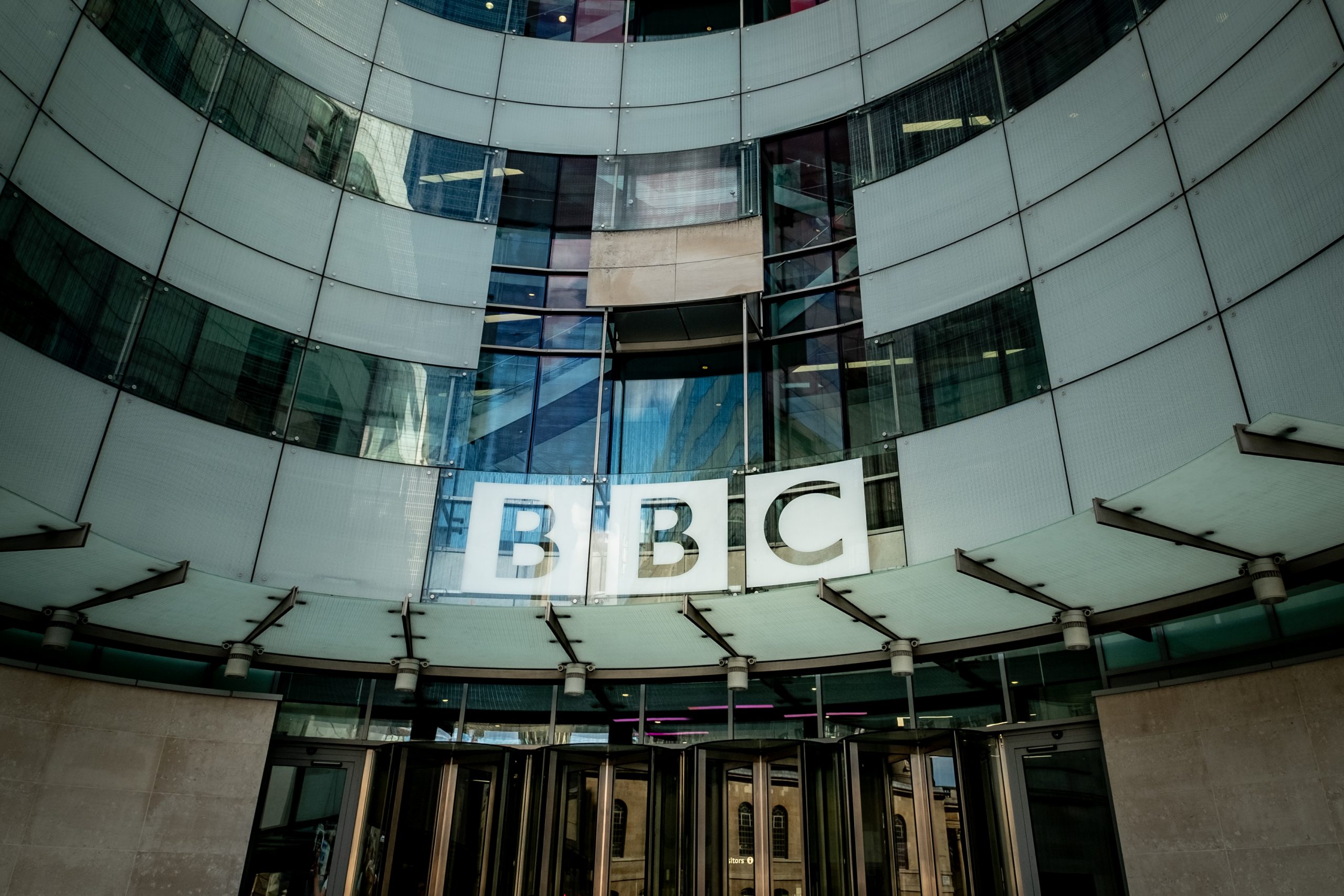
More than 550 jobs will be lost at the BBC in the first phase of cuts, which will also see long-running news programmes shut or scaled-down.
The BBC said the job losses, which will be across the News, Nations, and Content divisions, will save £160 million. The broadcaster warned there will be more cuts, with it needing to save £500 million over the next three years.
Radio 4’s The World Tonight will be axed after 50 years, as well as the midnight news and the Sunday morning edition of Breakfast on BBC One. Director general Matt Britten said the BBC would “review our broadcast TV channels and radio network portfolio as audiences move online”. 150 fewer hours of content will be commissioned this year, and the number of senior management roles will also be reduced.
Unions have not ruled out a potential strike at the BBC.
Meanwhile, the UK government has also released a green paper which could have significant repercussions for the media and technology industry in the UK. “Watch this space: a new strategic direction for UK media” seeks to find ways of ensuring news media remains relevant and viable and underpinning UK democracy. One of the suggested proposals is to require social media “to make trustworthy news providers, which could include national and local news publishers and broadcasters, easily discoverable.” If such a proposal was followed through, it would be one of the first efforts in the world to enforce prominence obligations on social media companies, rather than just TV manufacturers or TV operating systems.
“It is vital that we make sure that people have better access to trusted and accurate news and that our regulated public service media is seen and heard in the fierce battle against mis and disinformation,” said Culture Secretary, Lisa Nandy.
Ghana: Financial solution for embattled broadcaster?
Ghana’s communications minister has said a recapitalisation plan for the GBC will be announced soon. Felix Kwakye Ofosu said some of the GBC’s lands and other assets would be used to provide money to revitalise operations.
The parliamentary opposition, however, wanted an assurance that the broadcaster’s assets were being protected, as these were essential for its role. The GBC has faced decades of challenges, including inadequate financing, ageing equipment, and encroachment on its lands. Successive governments have pledged action, but little has come of it.

Related Posts

Digitisation plan, streaming tax & reforms | The PMA Briefing
Bills put forward by both the Czech and…

Revisions, rifts & reforms | The PMA Briefing
LRT bill revisions ease concerns but…

Governance reforms, restructures & impartiality proposals | The PMA Briefing
Proposed reforms for SBC have been met…
Funding bills, resignations & editorial policies | The PMA Briefing
Israel’s Kan and Czech media confront…