

The PMA Briefing
Funding questions at the start of the year
8th January 2025
Belgium’s Francophonie broadcaster is facing austerity measures, while Slovenia’s funding for the year remains unknown. Plus, Israel’s KAN continues to be used as a political football. And FM falls silent in Switzerland.
Belgium: RTBF faces austerity
Belgium’s independent media regulator, the Conseil Supérieur de l’Audiovisuel (CSA), published its annual review into how the public broadcaster, the RTBF, is fulfilling its mission. It applauded the RTBF’s status as a key player in local audiovisual production, and that it was fulfilling its mission to be close to Belgian people, reaching 89 percent of those aged 16 and older.
It also showed that the RTBF’s multi-platform approach was pushing it to innovate its offerings and formats. The review also highlighted that the broadcaster was using its different platforms to reach younger audiences, not only to inform them but also to teach them about the responsible and critical use of the media.
However, the Belgian public broadcaster is facing austerity measures in 2025, as the newly elected government wants to review RTBF’s budget and refocus the broadcaster’s mission.

Canada: Google pays $100m to journalism collective
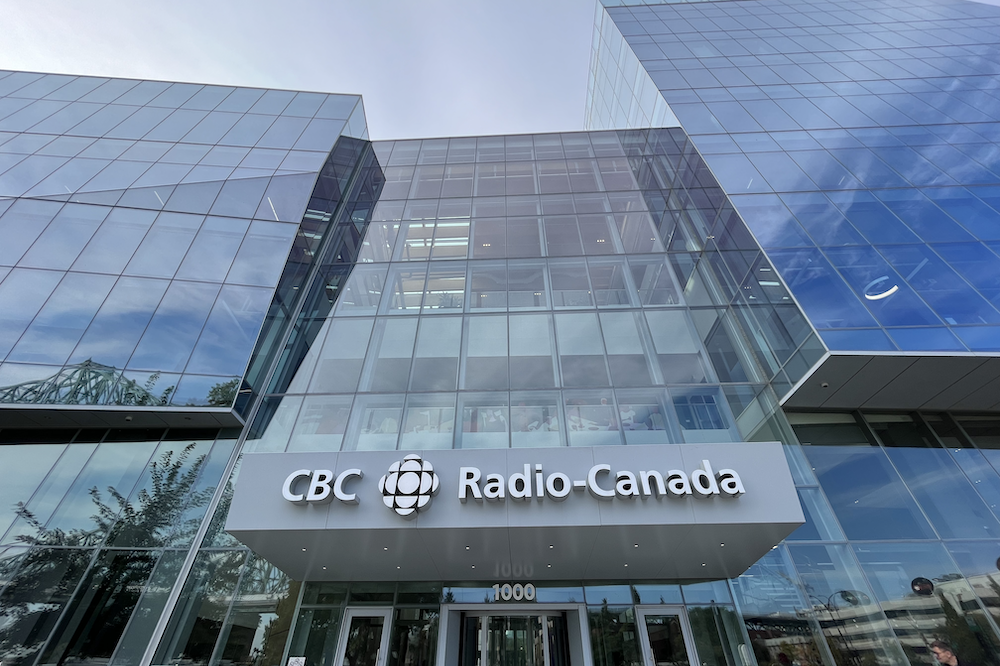
The tech giant Google has paid $100 million to the Canadian Journalism Collective (CJC), to avoid complying with the Online News Act for the next five years.
In November 2024, the Canadian government agreed to exempt Google from the Online News Act, which set a bargaining framework between digital news platforms, such as the ones run by Google, and news outlets. However, in exchange, the tech giant had contribute $100 million per year to eligible news media outlets to support Canadian journalism. This contribution will be distributed to the different media organisations by the CJC in the coming weeks.
Google was the only big tech company exempted from the Online News Act. Meta has banned Canadian news from its platforms for more than a year and no deal with the government has been reached, or even in sight.

Subscribe toour newsletter
Keep updated with the latest public
media news from around the world
Israel: High Court rules on KAN board
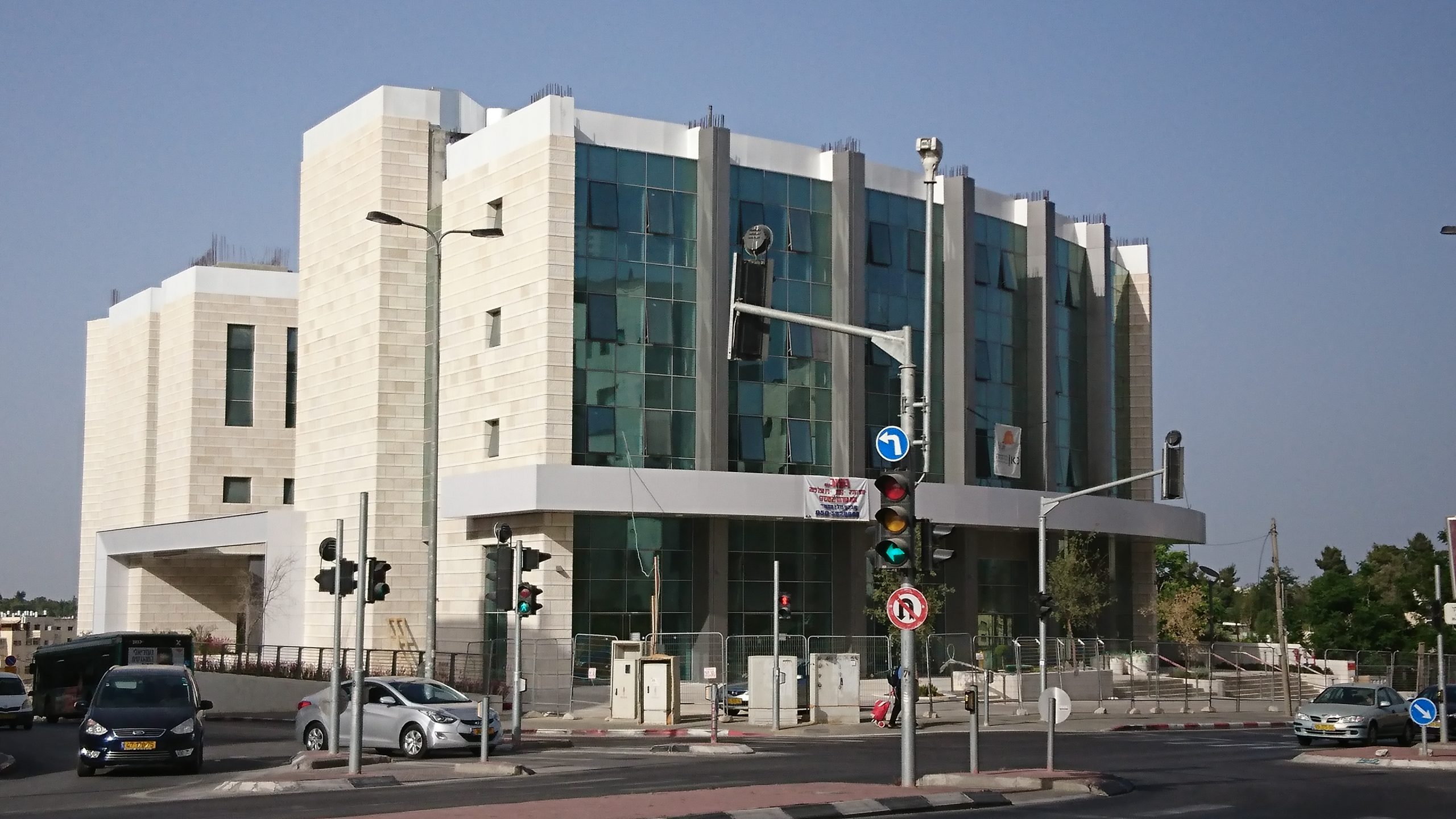
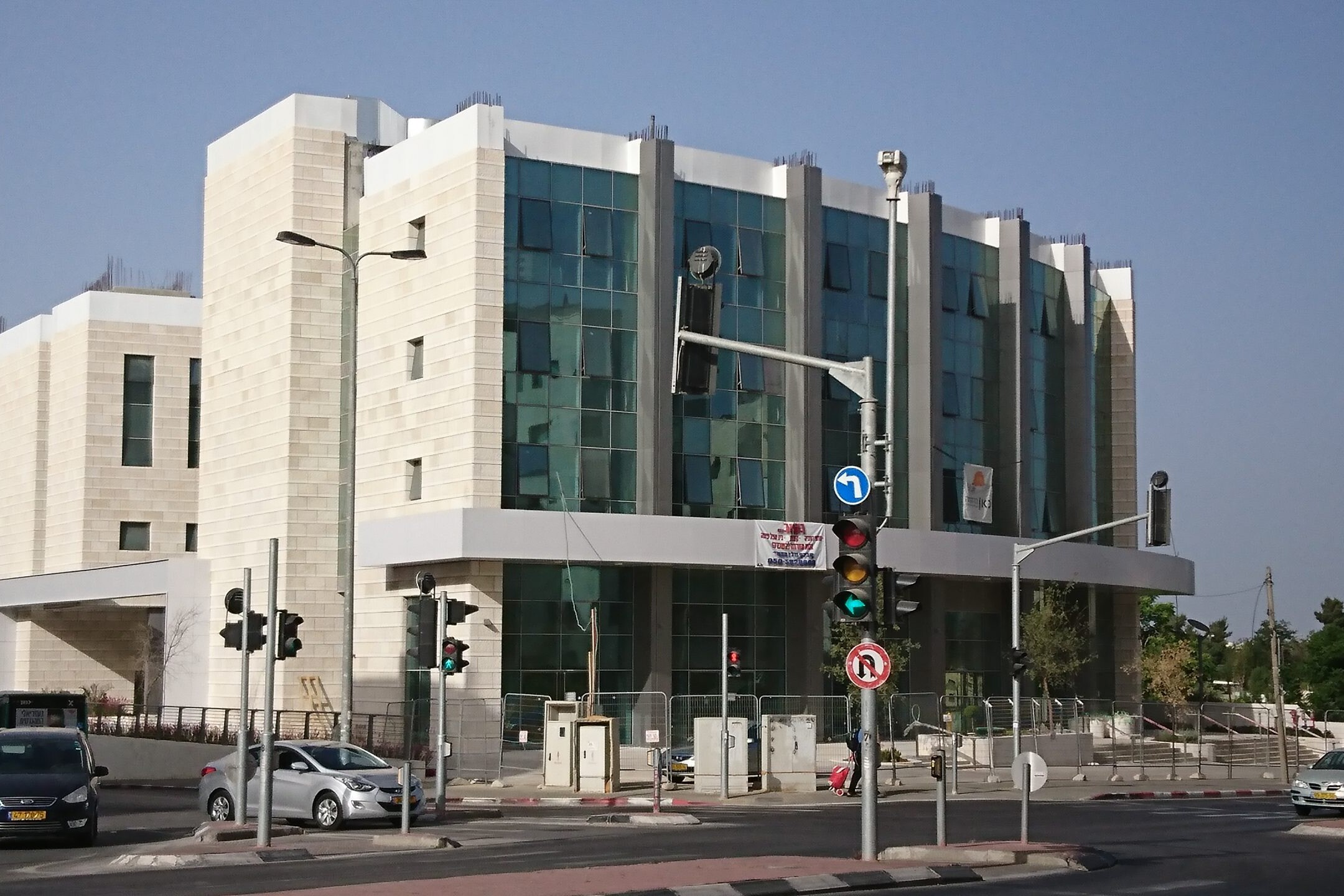
The High Court has intervened in the Israeli government’s efforts to privatise the public broadcaster, KAN. In a decision on Monday, the High Court extended the tenure of two members of the broadcaster’s governing council, whose terms had initially ended in November, but no replacements had been appointed by the government. It meant the Council was paralysed, falling short of a quorum. However, the country’s Communications Minister, Shlomo Karhi, rejected the Court’s decision, saying the court was acting “without authority”, and only the Communications Minister had the power to extend council members’ terms. In turn, his response was condemned by opposition MPs.
For months, KAN has found itself under threat from the Israeli government. A bill put forward in November proposed the selling of KAN, or if no buyer could be found, its ultimate demise.
Switzerland: FM falls silent
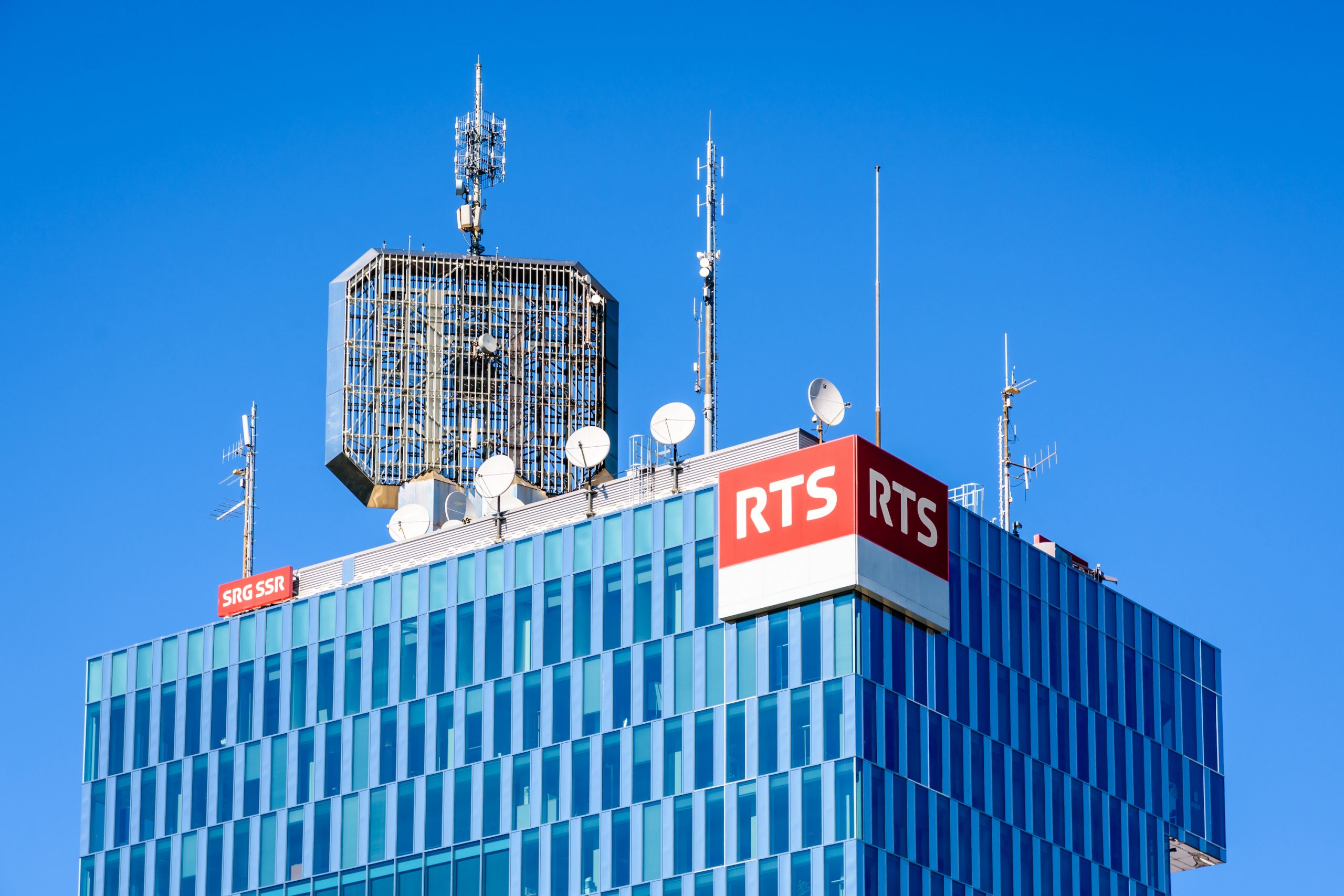
At 11:59pm on New Year’s Eve, FM radios in Switzerland that were tuned to any of the public broadcaster’s stations fell silent. The broadcaster, SRG SSR, had finally made a long-awaited move to becoming a digital-only broadcaster, shutting down its analogue transmitters.
Few people would have noticed. Federal Office of Communications data showed less than 10 percent of radio listenership in Switzerland is via FM radio, with most of that happening in cars. Meanwhile, the use of DAB+ digital radio is now about 41 percent of all listening, a rate that’s doubled since 2015. Internet streaming has grown to 39 percent.
Planning for the switch began about a decade ago, when the Federal Office moved to making DAB+ the new standard for radio. As part of cost-cutting measures, SRG SSR’s board of directors voted to phase out FM radio by the end of 2024.
Norway was the first country in the world to end national broadcasts on FM in 2017, while several other European countries have similar plans.

Slovenia: No clear plan
The Slovenian public broadcaster RTV SLO has entered the new year without a clear budget plan. Until RTV SLO’s management board takes a decision on the business plan, the broadcaster will operate with a temporary funding model. It means that for the time being, funds may only be used up to an amount proportional to the funds spent in the same period of the previous year. The funding system of the public broadcaster has been a source of destabilisation for the last 12 years, as it has not increased with inflation.
However, after years of disagreement, the Ministry of Culture announced it would increase the RTV SLO contribution to €14.02, a 10 percent increase from next August to improve the operations of the broadcaster. RTV SLO will have to wait for the Program and Business Plan of 2025 to be agreed on, which is supposed to be on the agenda of the next board meeting in January.
Related Posts

RTBF is taking another step into the world of video games
Belgian public broadcaster RTBF has…
CBC/Radio-Canada welcomes Google deal
Google will compensate CBC/Radio-Canada…
Israel: Proposed reforms increase pressure on media
Following the much-condemned judicial…
100 years of radio in Switzerland | Le radio a 100 ans en Suisse
The CEO of Swiss public broadcaster SRG…