

The PMA Briefing
Lawsuits, austerity, and competing with big tech
2 December 2025
Australia’s efforts to make big tech pay for news continue, while two of Singapore’s biggest media companies combine forces to take on global streamers. Colombia’s public media faces a high-profile lawsuit over editorial bias; austerity measures hit ORF and Bolivia’s public communications sector; and calls to speed up the PTS management restructure.
Colombia: RTVC faces lawsuit over editorial bias & lack of plurality
Colombia’s national broadcaster, RTVC, is being taken to court, accused of an editorial bias that favours the political administration and a lack of plurality.
The complaint was filed by the Foundation for the Rule of Law, or FEDe, a self-described “politically unaffiliated” nonprofit organisation.
It accused RTVC of “an editorial alignment with the Government, the exclusion of critical voices, the elimination of educational and cultural content, the use of language incompatible with the principles of neutrality and institutional respect and a deterioration of the informational pluralism.”
The Ministry of Information, Communications and Technology is also named in the complaint, accused of failing in its responsibility to provide oversight and control which, the complaint said, violates “the collective rights to freedom of expression and of the press, the right to access truthful, impartial, and pluralistic information, the right to the efficient provision of public radio and television services, the right to administrative integrity, and the proper management of public assets.”
In its complaint, FEDe Colombia presented a dossier of evidence from past journalists, editors and managers who allege censorship and harassment from senior executives.
RTVC director Hollman Morris denounced the lawsuit, calling it a “smear campaign” against the broadcaster. “I must be very clear: as manager of the Public Media System, I will defend the staff of the Public Media System against so much slander and defamation.”
He said there were “very powerful people” behind the lawsuit, some of whom have ties to paramilitary organisations, who are “very displeased with the work that RTVC does in promoting human rights, but above all in remembering certain events that powerful sectors of this country do not like the public to remember.”

Bolivia: Future of national communications sector in peril with new austerity measures
Bolivia’s government-run daily newspaper is to cease print publication and the national information agency, ABI, will be temporarily suspended under the new government’s plan to overhaul the state-run communications sector.
The drastic reforms are part of a wider austerity package introduced by president Rodrigo Paz, who wants to cut public spending by 30 percent. According to El Argentino, Ahora El Pueblo will become a digital-only newspaper, while the ABI will be restructured, with no decisions off the table. The future of Bolivia TV remains unknown.
The proposal echoes recent moves in neighbouring Argentina, where the government of Javier Milei closed the news agency Telam, while restructuring TV Publica and Radio Nacional.
On top of this, a new director of public communications, former journalist Ximena Galarza, has been appointed. In a statement, she outlined the purpose of the sector.
“This becomes a strategic communication unit of the State, not of the Government, and therefore has the main mission of serving the people, of communicating, of informing, of being transparent, of providing access to information.”

Austria: More cuts for ORF amid appointments controversy
50 jobs are on the line at ORF, with the Austrian public broadcaster having to continue to make savings. However, an agreement was reached to freeze the wages of the company’s highest earners, which could safeguard certain jobs at ORF in the long term.
ORF’s licence fee is frozen until 2029, with ORF’s Director General estimating it still has to save around €100 million in the coming years.
Meanwhile, the administrative court has decided not to intervene in the appointment of members of ORF’s supervisory board by the former minister, Susanne Raab, who was accused of making the appointments without oversight or due process.
The decision outraged Walter Strobl, from the Journalism Legal Service at the Press Club Concordia, who said it could undermine future appointments.
“Proper tendering process? Professional qualifications? Selection procedure? Justification for the decision? Incompatibility clauses? These legal requirements for the appointment of members of the public and foundation boards are crucial for safeguarding the independence of the ORF,” he said.
“If compliance with these requirements cannot be verified, they are practically meaningless. This opens the floodgates to undue influence by governing parties.”

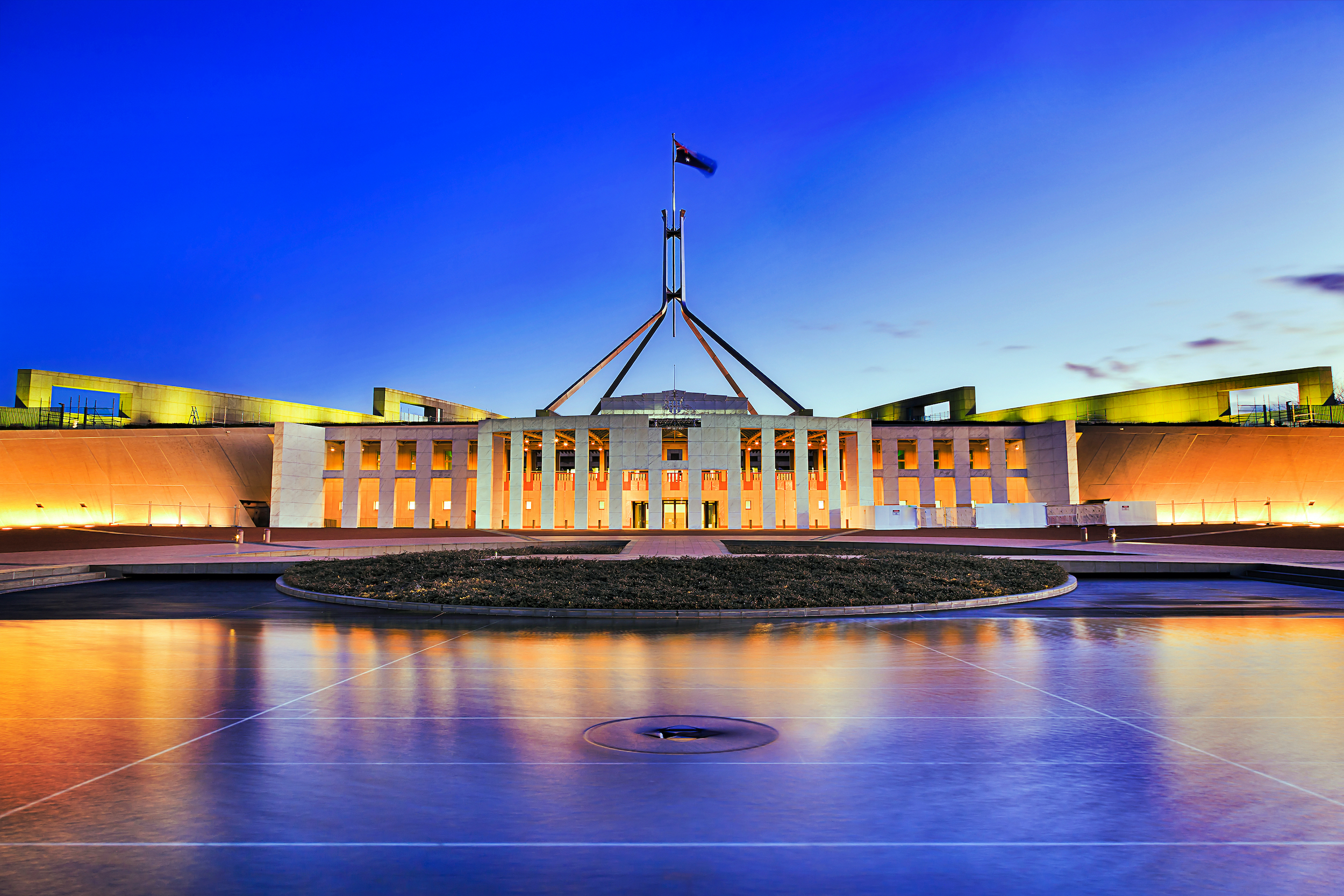
Australia: Broad media support for plan to make tech giants pay for news
Commercial deals between tech giants and Australian news publishers could be worth as much as $600m a year, if a proposed law passes.
The government last month opened consultation on its proposal, which it said “encourages commercial arrangements between major digital platforms and news publishers by providing a generous deduction for eligible deals”.
Under the plan, tech companies with Australian revenue of more than A$250 million, such as Google and Meta, would face a charge based on a percentage of that revenue. But they can reduce or avoid the charge altogether if they agree deals with Australian news businesses.
The incentive has been largely welcomed by the media industry, both commercial and public, large and small. But a former chair of the Australian Competition and Consumer Commission, Rob Sims, lamented the proposal’s exclusion of artificial intelligence companies, which also scrape journalism. He also argued that platforms and AI should be legally required to carry public-interest news, just as broadcasters are.
A Facebook spokesperson told the ABC that, “We will review the proposal and look forward to participating in the government’s consultation process.” Google said it is the only technology company that has maintained relationships with Australian publishers since 2020, after Meta pulled back from its deals with media companies it had made under the previous policy, the News Media Bargaining Code.
Singapore: StarHub & Medicorp partner to streamline the media platform market
Two of Singapore’s biggest media groups, StarHub and Mediacorp, will merge their online platforms in order to compete in an increasingly fragmented market.
The organisations said the move will streamline access to local content for audiences, and help galvanise Singaporean media against global streaming platforms.
The merger would also allow the public to access a wider range of content in the hope of increasing engagement, while for the media companies, there are hopes it will save money on role duplication, and strengthen advertising offers.

Taiwan: PTS board urges haste for management restructure
A management restructure at public broadcaster PTS Taiwan has been delayed by the island’s government, with concerns raised about the speed and lack of transparency around the process.
Some candidates in line to replace the directors and supervisors have been consulted by the Ministry of Culture, but little information on progress has been released to the public.
In a statement released by PTS Taiwan this week, the board said it was responding to public concern when it urged the government to hasten the reorganisation process while adhering to broadcasting laws.
The mandate of the current management has been extended for another six months, but its members acknowledged that an extensive lengthening of their term would be detrimental to the public broadcaster’s image.

Featured image:Close up of ORF logo – the so-called “ORF brick”. At the facade of the ORF Funkhaus in the city center. ORF is the austrian public service broadcasting network. Credit: Chris Redan / Shutterstock.com
Related Posts

Hearings, reforms, and a crackdown on non-payments | The PMA Briefing
Figures at the centre of the recent BBC…

What’s new? Strategies, leadership & funding | The PMA Briefing
Public media in Jamaica and South Korea…

Blackouts, reforms, and a quota for streamers | The PMA Briefing
The protracted reform of public media…

What will the future look like for public media? | The PMA Briefing
As CBC/Radio-Canada unveils its new…

Broadcasting under fire | The PMA Briefing
A Rai journalist faces intimidation…