

The PMA Briefing
New governance structures and electoral concerns
9 September 2025
New governance structures at KBS in South Korea have proved controversial, while the outcomes of upcoming elections in the Czech Republic could bring stark choices for public media. Elsewhere, similar questions of survival are flaring in South Africa and Taiwanese public media are looking to rebuild trust in news via AI.
Taiwan: AI chatbot project launched in effort to rebuild trust amid disinformation challenges
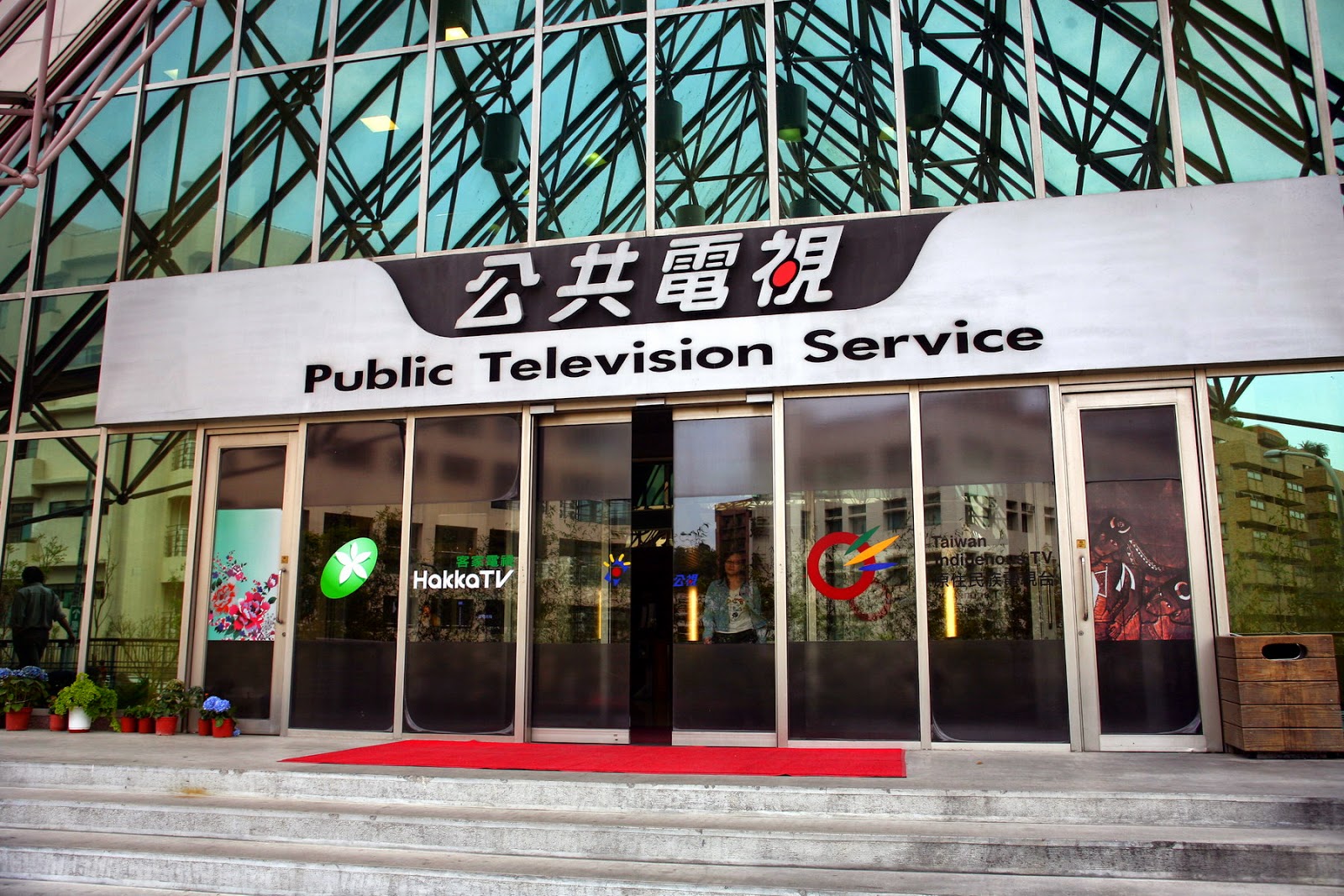
Taiwan’s Central News Agency (CNA) has announced plans to launch an AI chatbot aimed at rebuilding public trust in the face of growing disinformation campaigns. Programmed to utilise news content by the public broadcasters PTS Taiwan and RTI as its primary knowledge source, the AI chatbot is due to officially launch by the end of 2026.
Described as a ‘milestone in the nation’s media history’, the project has been developed in collaboration between the Taiwan Broadcasting System (TBS) and Academia Sinica, drawing cues from leading international outlets like the Financial Times and The Washington Post who have launched chatbots of their own. Chinese Television System (CTS) Chairperson and project initiator, Hu Yuan-hui, emphasised the model’s focus on quality and accuracy, distinguishing it from previous iterations of the project. Unlike other AI tools that rely on a wide range of online sources, this model will draw exclusively from “credible sources” such as the country’s public broadcasters, RTI and PTS.
The launch marks meaningful steps in the growing wave of self regulation among domestic media outlets following Taiwan’s media liberalisation, which includes CNA’s introduction of an AI editing assistant designed to aid fact-checking, typo detection and caption recommendations. Rti Chairperson Cheryl Lai highlighted the importance of such initiatives, noting their aim to ‘foster trust’ and ‘further strengthen our democracy’.
Czech Republic: The future of Czech PSM in the balance as elections approach
The upcoming election in the Czech Republic could be decisive for the future of Czech Television (ČT) and Czech Radio (ČRo), with the two dominant political camps having very different perspectives on the role, usefulness, and essence of public service media.
The front runner of this election, the populist former PM Andrej Babiš (ANO), made his plan for ČT and ČRo clear from the beginning, with intentions to merge the two public media entities into a single institution to make savings. However, experts criticise this project, stressing that a merger into one entity is not synonymous with cutting costs, as was shown in Slovakia last year. Babiš’s plan for public media goes further, including the abolition of the concession fee. His party was strongly opposed to its increase earlier this year, with a preference for the public broadcasters to be funded directly from the state’s budget. Finally, if ANO were to win this parliamentary election, they would also abolish ČT’s entertainment programmes, believing it would end competition between public and private media.
In response to concerns, a coalition of media freedom organisations, including PMA, proposed a series of recommendations to ensure the protection of press freedom and the independence of public media in the country.

South Africa: Uncertainty over the future of SABC.
The Minister of Communications, Solly Malatsi, has received three proposals to create a new funding model for South Africa’s public broadcaster. While he did not discuss the details of the bids, Malatsi confirmed that the SABC and Treasury will be part of the committee evaluating the tenders which is due to take a decision in the coming days. Once the provider is chosen, SABC’s funding model could be finalised in the next three months.
But while this leaves room for hope after years of financial turmoil, SABC’s situation remains uncertain.
This week, South Africa’s Parliament warned that the public broadcaster was on the verge of collapse, due to “financial crisis and outdated infrastructure”. Khusela Sangoni Diko, chairperson of Parliament’s Portfolio Committee on Communications and Digital Technologies, said SABC could face a signal blackout by the end of the year if it did not find a viable source of funding. SABC’s current main signal distributor, Sentech, is not able to afford carrying on supporting the public broadcasters anymore if it does not pay its service fees.
The SABC and Sentech are locked in an ongoing dispute over Sentech’s rising fees and SABC’s debt to the distributor. It sparked a parliamentary intervention and mediation efforts to avert a signal cut, which would impact millions of people’s access to information.
Additionally, Diko wrote to Malatsi on the state of the SABC bill, a piece of legislation criticised for vagueness regarding the funding of the public broadcaster, which remains unclear.

South Korea: New board structure stirs controversy
Employees of South Korean public broadcaster KBS will appoint up to 20 percent of the company’s governing board under a new broadcasting act passed this week. The KBS board now consists of 15 members, including six recommended by parliamentary groups, employees, a viewer committee, academic societies, and a lawyers’ association.
The strength of the employees’ power has been criticised by some groups, including an opinion column in The Chosun Daily, as disproportionate, laden with potential conflicts of interest, and unrepresentative of the public.
Featured Image: A press photojournalist is holding a camera with a zoom lens and is photographing war and conflict. Credit: chameleonseye/iStock
Related Posts

What future for public media? | PMA Briefing
Germany and Thailand discuss the future…

Supporting journalism and public media | The PMA Briefing
Calls to end killing of journalists in…

Cuts implemented, threatened, and rejected | The PMA Briefing
American public media announce cuts;…
Contrasting future for international public media | The PMA Briefing
Voice of Nigeria looks to a digital…