

On Our Radar
SRG SSR, FBC, and BBC
28 November 2025
On Our Radar this week, we look at the implications of the crisis at the BBC, the significance of job and funding cuts at SRG SSR, and the concerning attack on an FBC journalist in Fiji.
Welcome to On Our Radar, a new advocacy-driven space where we highlight developments of particular concern. Each week, we’ll flag a handful of issues affecting our members, other public service media, and media freedom that we believe demand attention, solidarity, or joint action.
Sometimes these could result in public statements or calls for information; at other times, quiet diplomacy and shows of solidarity by simply saying, “this matters, and it shouldn’t go unnoticed”. If something here resonates with your own concerns, or if there is an issue you think should be on our radar, please contact the PMA team.
On Our Radar this week…
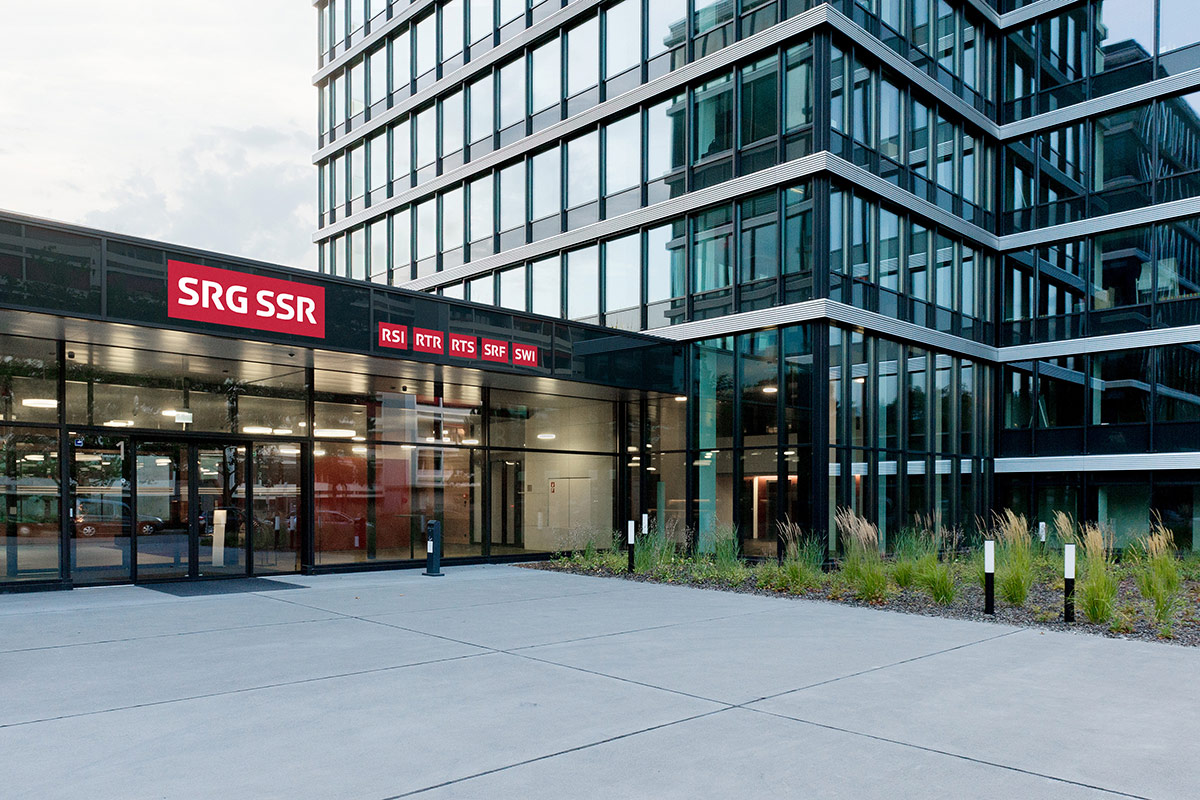
Public media is being squeezed and threatened in Switzerland. The public broadcaster SRG SSR has confirmed plans to cut up to 900 full-time positions by 2029 as it tries to save around CHF 270 million in the face of licence fee reductions, falling advertising income, and rising costs. These challenges, combined with the threat of a referendum in March 2026 that could see a halving of the licence fee, pose serious challenges to the viability of Swiss public media. At the same time, Radio Télévision Suisse (RTS) Director Pascal Crittin has received an anonymous email death threat, prompting reinforced security at RTS sites in Lausanne and Geneva. In a country where such threats are uncommon, this is a rare but deeply troubling escalation. Read more from Le Matin and swissinfo.ch.
Meanwhile in Fiji, we’ve seen similar safety threats against media professionals following an attack on a journalist. Most recently, FBC journalist Apenisa Waqairadovu was attacked outside the Suva High Court by a convicted murderer, suffering injuries to his arms and hands. This is the latest in a number of assaults on reporters in and around court precincts. In response, the Minister for Policing and Communications has ordered the police force to tighten security around all court premises, including increased police presence and clearer protocols to separate offenders from the media. This is a welcomed and necessary step, but one that will only matter if it leads to real changes on the ground and a consistent, wider understanding that journalists must be able to report on issues of public interest without being chased, assaulted, or threatened. Read more from FBC News.
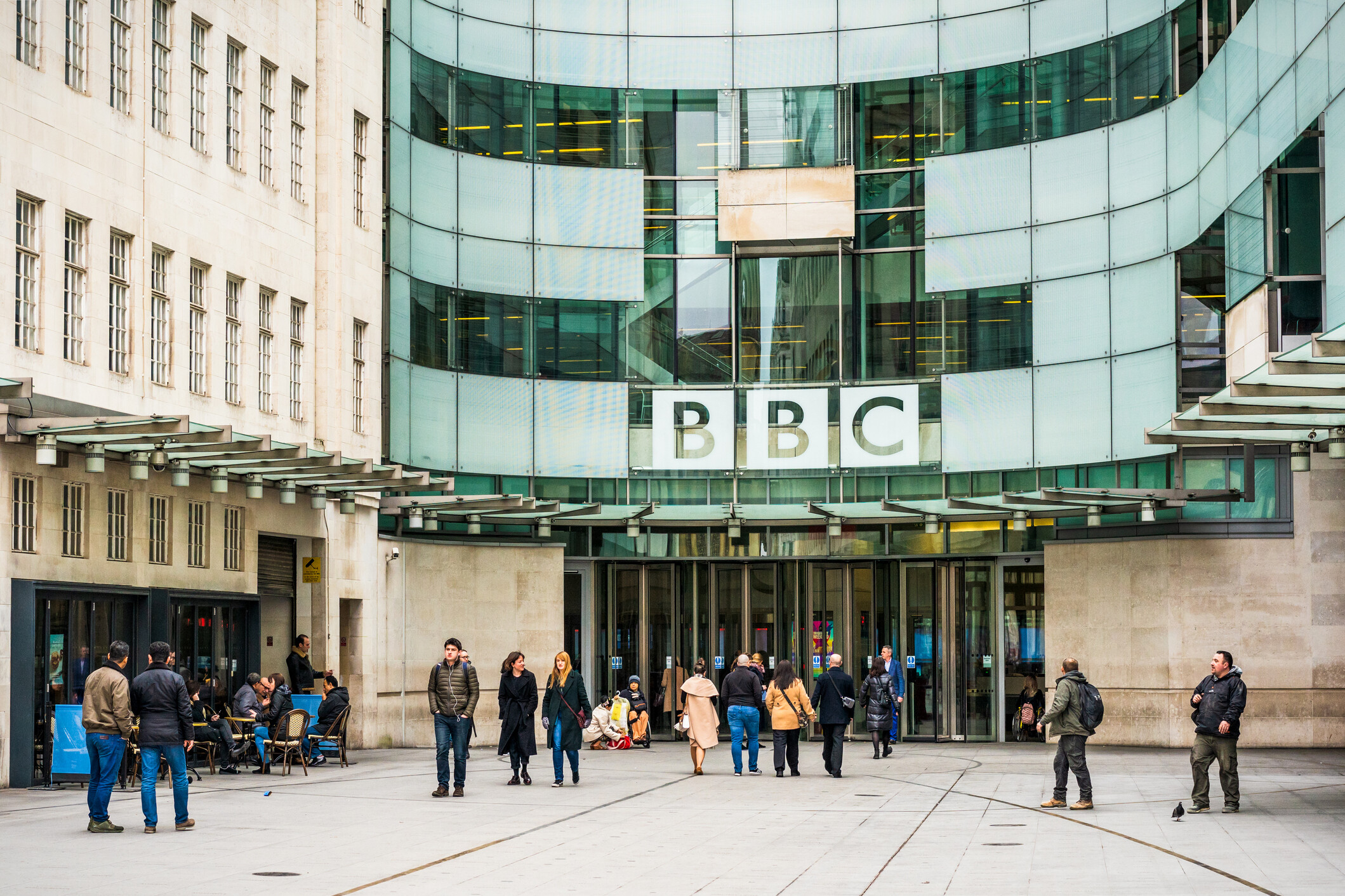
The BBC is up against legal threats and a deepening crisis. The BBC is facing a convergence of pressures following the resignations of its director general and head of news over a misleading edit of a Donald Trump speech and wider allegations of institutional bias. This week, senior BBC figures faced a parliamentary select committee to answer questions about governance, impartiality, and accountability; meanwhile Trump’s threat of a billion-dollar lawsuit continues to hang over the corporation; and the US broadcast regulator has now written to the BBC. All of this is unfolding against longer-running uncertainty about the BBC’s funding as it looks to its Charter renewal in 2027. While the combination of these pressures has led to heightened debate about the BBC, we are urging all commentators and stakeholders to remember the value the BBC has provided – and continues to provide – for audiences across both the UK and the world. Read more from our latest PMA Briefing and find out more via our What is PSM? page.
Finally, we’d like to echo two comments from our colleagues in the civil society sector.
Firstly, the Media Freedom Rapid Response group commented on the sustained financial pressure facing BHRT, which has left the public broadcaster on the brink of imminent collapse. “Politicians have openly disregarded the law, resulting in only minimal funds reaching BHRT, against a backdrop of inter-entity funding disputes,” the group said in an open letter calling for action from EU Commission President, Ursula von der Leyen. Read more on this in their letter.
Secondly, RSF and the EBU have both raised alarm at governance reforms in Lithuania. “They go against the European Media Freedom Act (EMFA), a binding EU legislation, which obliges member states to ensure that funding procedures for public service media are based on objective criteria,” said Pavol Szalai, the Director of RSF’s Prague bureau. The EBU said they “risk undermining LRT’s autonomy, exposing it to political interference, and eroding public trust in one of Lithuania’s most important democratic institutions.”
We will continue to monitor these issues and issue updates via our website, newsletters and social media.
This is not an exhaustive list of our concerns. If you would like to raise other concerns, please reach out and let us know.
PMA Advocacy Team
Related Posts
Hearings, reforms, and a crackdown on non-payments | The PMA Briefing
Figures at the centre of the recent BBC…

What’s new? Strategies, leadership & funding | The PMA Briefing
Public media in Jamaica and South Korea…

Blackouts, reforms, and a quota for streamers | The PMA Briefing
The protracted reform of public media…