

What?
Research highlights rising attacks on female journalists in West Africa and Ghana, worsened by COVID-19. Women journalists faced job cuts first, worked alone as freelancers, and moved into digital spaces. IPDC 2020 research in East Africa found over half of participants feared for their safety, leading some to decline job opportunities. UNESCO’s 2020 survey showed online violence often escalates offline with deadly consequences.
This project – “COVID’s Legacy: The Role of African Media in Keeping Women Journalists Safe” – evaluates safeguards, identifies gaps, and strengthens physical, online, and mental wellbeing measures. Capacity-building workshops provide female journalists with a “safety toolbox” to manage risks, while media managers receive training on safety protocols. It empowers women and institutions to create lasting solutions, protecting journalists and fostering press freedom and democracy.
The project comprises several core activities:
- Research & analysis – Mapping exercise to assess the physical safety and mental wellbeing issues concerning women journalists’ safety to understand the specific challenges, opportunities, and dynamics within the sector, providing a foundational basis for targeted interventions.
- Virtual training for media managers – A one-day virtual training session on organisational safety protocols, incident reporting and response systems, and gender-sensitive approaches, focused on practical implementation to support managers to initiate or strengthen internal protocols that improve protections for women journalists.
- In person and virtual training for women journalists – A three-day workshop covering physical and digital safety, risk assessment, and trauma-informed practice, with peer-support elements. This activity will also guide participants to produce individualised Safety Toolboxes.
- Impact evaluation session – A virtual session that convenes a learning review with journalists and managers to share the project’s application; troubleshoot barriers; refine Safety Toolboxes and organisational protocols; and identify sustainability steps and collaboration opportunities across both countries.
Why?
In recent years, substantial attention has been paid to how the COVID-19 period reshaped newsrooms and the risks journalists faced. Yet across much of Africa, the evidence base has not kept pace with what women journalists are dealing with now, particularly as economic pressures, polarisation, and platform-driven hostility continue to reshape the reporting environment. This project responds to that gap by updating the picture post-COVID and by turning what is already known about risks into practical, institution-level protections that women journalists can actually rely on.
The project is grounded in three interlinked needs: up-to-date, post-COVID evidence on women journalists’ current working conditions; a whole-of-workplace approach to safety that covers physical risk, digital security, and psychological wellbeing, especially where online abuse can escalate into offline threats; and clear, trusted internal protocols to report and address harassment and violence, because fragmented safeguards, stigma, and gender bias still leave many women exposed and unsupported.
When?
Project activities will commence in February 2026 and run until November 2026.
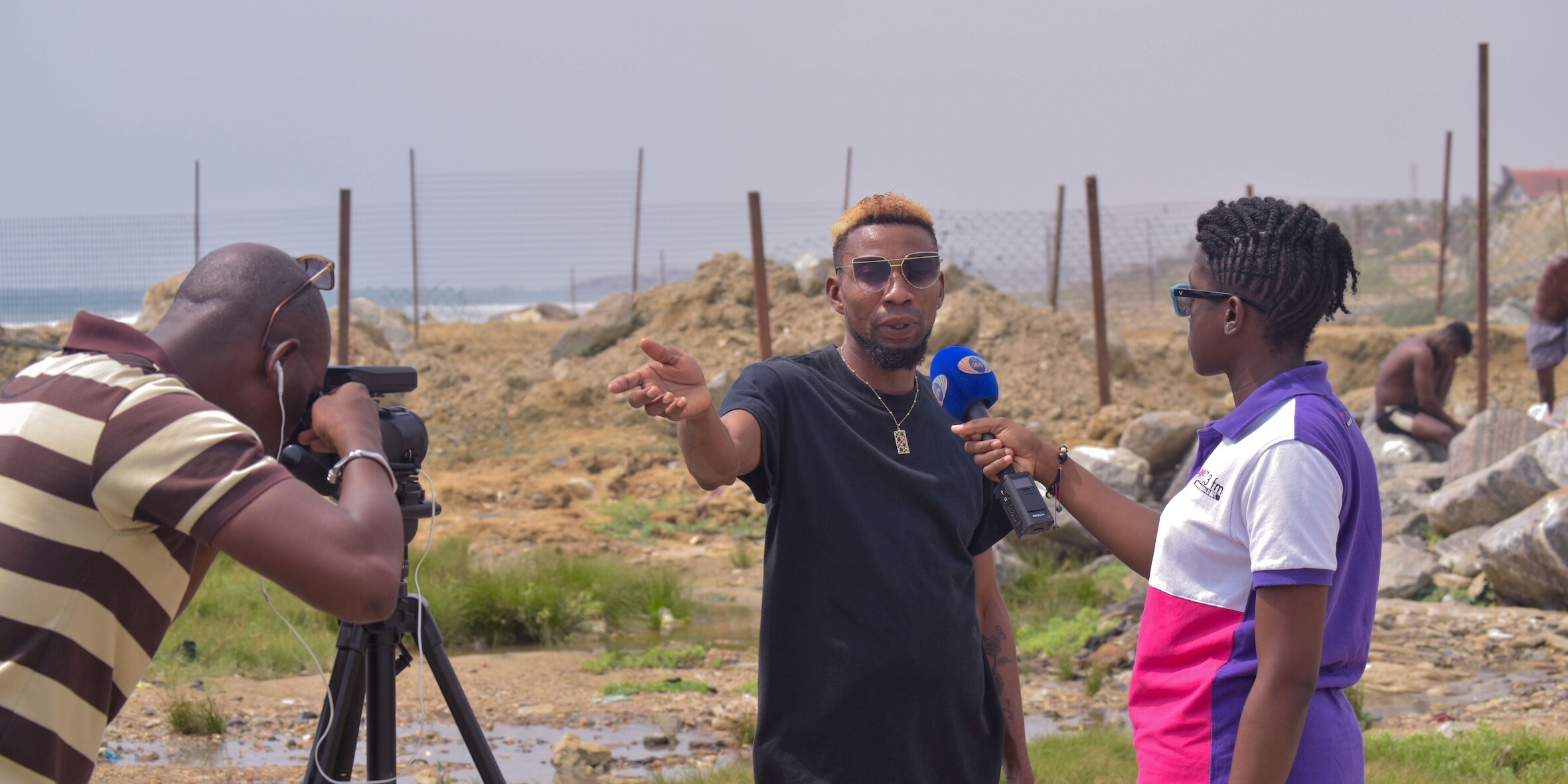
“The safety of female journalists is a fundamental requirement for democracy”
Professor Abigail Ogwezzy-Ndisika, University of Lagos, Nigeria on women journalist safety in West Africa.
Applications open for women journalist safety training
Applications are open for PMA's free Women Journalist Safety training workshops in West Africa and online. Deadline 31st July 2026.

Research launch: Safety of Women Journalists in Ghana and Nigeria
Meet the researchers who will map the physical, digital and mental safety of women journalists across Nigeria and Ghana.

UNESCO IPDC supports two 2026 projects with PMA
PMA has been awarded two project funds through UNESCO’s IPDC, a specialised UN committee for media development.
Project partners
The project is being implemented by the Public Media Alliance, with support from the UNESCO Office in Dakar and UNESCO’s International Programme for the Development of Communication (IPDC).

Featured image: Onitsha, Anambra State, Nigeria – 06 November 2025:A young woman, possibly a nun or media student, operates a professional video camera during a university event. Credit: GOALLORD-CREATIVITY / Shutterstock.com