

STATEMENT
Slovenia: Why removing the licence fee could greatly harm RTV Slovenija
9 October 2026
The Public Media Alliance warns that replacing the licence fee with direct state funding would undermine RTV Slovenija’s independence and financial security, ahead of Sunday’s referendum.
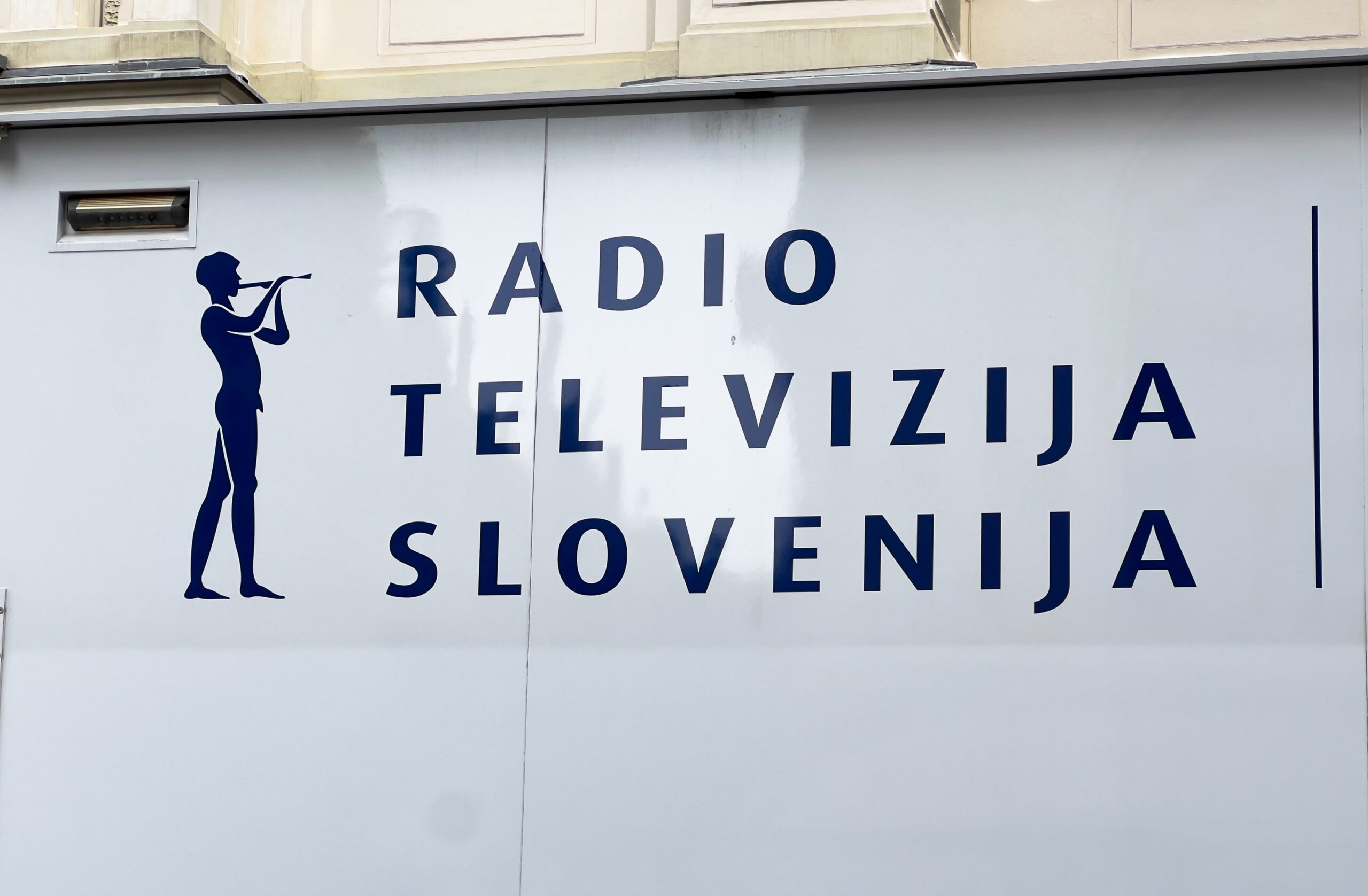
On 11 October, Slovenians will be asked if they would like to end the current licence fee system which funds RTV Slovenija, the national public service broadcaster. While the referendum is consultative, the results could be used as a pretext by the government to replace the funding model with direct funding from the annual budget. Notably, voters are being asked to abolish the broadcaster’s main source of funding before a credible, long-term alternative has been secured.
The Public Media Alliance (PMA) has grave concerns regarding what would happen to RTV Slovenija if this were to happen. The licence fee funding model is a widely used funding model across the public media industry and has several strengths: guaranteeing a direct link between the public and the media organisation, establishing an independent financial system that does not solely rely on the government of the day, and providing long-term security for the public service broadcaster.
Collectively, these strengths provide the foundations upon which public service media can deliver upon their mandate. The most essential facet is that it provides a degree of separation from the government. As it is the public which directly funds the media organisation, it is the public that the media organisation serves – not the government of the day. This is of the utmost importance when it comes to the capacity of public service media to hold authorities to account and to fulfil their essential role in underpinning informed society and democracy.
Could this function be delivered upon, if the licence fee system were to be removed?
PMA has significant reservations regarding the funding model most likely to replace it – direct via the government budget. As we have made clear in recent responses in other nations where a similar model has been proposed, such as Czechia and Thailand, these models leave much to be desired when it comes to satisfying three fundamental requirements that the most resilient PSM funding models uphold, and which should be the test of all new potential models: it must ensure independence, it must provide long-term sustainable resourcing, and it must be sufficient for public service media to deliver its mandate.
Read more: Authorities urged to refrain from adopting changes that would weaken public media (MFRR)
Without significant and transparent legislative and regulatory protections, direct government funding does not fulfil such requirements. Most concerning would be the increased potential for the government to use funding as leverage against the organisation. This would have grave repercussions for the editorial independence and integrity of RTV Slovenija to fulfil its mandate as an independent public service broadcaster.
In addition, annual state budgets do not provide the certainty and security of long-term funding settlements that is essential for public service media to plan for the future and adapt to an increasingly volatile media environment. This could have consequences for RTV Slovenija’s ability to remain relevant to all audiences.
As it is the public which directly funds the media organisation, it is the public that the media organisation serves – not the government of the day. This is of the utmost importance when it comes to the capacity of public service media to hold authorities to account and to fulfil their essential role in underpinning informed society and democracy.
PMA therefore believes that as it stands, replacing the licence fee would leave RTV Slovenija institutionally weaker and more vulnerable to political interference. Combined with the proposed governance reforms, this would increase the broadcaster’s dependence on the government of the day.
When Slovenians cast their vote on Sunday, it is essential they are aware of what the consequences are of any result.
IZJAVA
Slovenija: Zakaj bi ukinitev RTV-prispevka lahko zelo škodovala RTV Sloveniji
9. oktober 2026
Zveza javnih medijev pred nedeljskim referendumom opozarja, da bi nadomestitev RTV-prispevka neposrednim proračunskim financiranjem ogrozila neodvisnost in finančno varnost RTV Slovenije.
11. oktobra bodo Slovenci pozvani, naj se izrečejo, ali želijo ukiniti sedanji sistem plačevanja RTV-prispevka, iz katerega se financira RTV Slovenija, nacionalna javna radiotelevizija. Čeprav je referendum posvetovalne narave, bi vlada njegov rezultat lahko uporabila kot izgovor za zamenjavo modela financiranja z neposrednim financiranjem iz letnega proračuna. Zlasti je pomembno to, da vlada volivce sprašuje o ukinitvi glavnega vira financiranja radiotelevizije, pri tem pa ni zagotovilz verodostojnae in dolgoročn alternative.
Zveza javnih medijev (PMA) je globoko zaskrbljena kaj bi se zgodilo z RTV Slovenijo, če bi do tega prišlo. Model financiranja RTV-prispevkom je v javnem medijskem sektorju široko razširjen in ima več prednosti: zagotavlja neposredno povezavo med javnostjo in medijsko organizacijo, vzpostavlja neodvisen finančni sistem, ki ni odvisen izključno od trenutne vlade, ter zagotavlja dolgoročno varnost javne radiotelevizije.
Vse to so temelji, na katerih lahko javni mediji izpolnjujejo svoj mandat. Najpomembnejše je, da sedanji model financiranja zagotavlja določeno stopnjo neodvisnosti od vlade. Ker medijsko organizacijo neposredno financira javnost, ta služi prav javnosti in ne trenutni vladi. To je izredno pomembno, ko gre za sposobnost javnih medijev, da od oblasti zahtevajo odgovornost in izpolnjujejo svojo bistveno vlogo pri utrjevanju informirane družbe in demokracije.
Ali bi bilo mogoče to vlogo izpolnjevati, če bi bil sistem financiranja z RTV-prispevkom ukinjen?
PMA je zadržan glede modela financiranja, ki bo najverjetneje nadomestil prispevek gospodinjstev – neposredno financiranje iz državnega proračuna. Kot smo jasno poudarili v nedavnih odzivih v drugih državah, kjer je bil predlagan podoben sistem financiranja javnega medija, na primer na Češkem in na Tajskem. Ti predlogi financiranja namreč zanemarjajo tri temeljne zahteve, ki jih vsebujejo najbolj trdni sistemi financiranja javnih medijev, in ki bi morale biti merilo za vse nove potencialne sisteme: zagotoviti morajo neodvisnost, dolgoročno in trajnostno financiranje, ki pa mora biti tudi zadostno, da lahko javni mediji izpolnjujejo svoje poslanstvo.
Brez pomembnih in preglednih zakonodajnih ter regulativnih zaščitnih ukrepov neposredno vladno financiranje ne izpolnjuje teh zahtev. Najbolj skrb zbujajoče je tveganje, da bi vlada sredstva uporabila kot vzvod proti organizaciji. To bi imelo hude posledice za uredniško neodvisnost in integriteto RTV Slovenija pri izpolnjevanju njenega poslanstva kot neodvisne javne radiotelevizije.
Poleg tega letni državni proračuni ne zagotavljajo gotovosti in varnosti dolgoročnih dogovorov o financiranju, ki so bistveni za javne medije, da lahko načrtujejo prihodnost in se prilagajajo vse bolj nestabilnemu medijskemu okolju. To bi lahko vplivalo na zmožnost RTV Slovenije, da ostane pomembna za vse prebivalce.
PMA zato meni, da bi z ukinitvijo RTV-prispevka RTV Slovenija postala v trenutnih razmerah institucionalno šibkejša in bolj ranljiva za politično vmešavanje. V kombinaciji s predlagano reformo upravljanja pa bi to povečalo odvisnost radiotelevizije od trenutne vlade.
Ko bodo Slovenci v nedeljo oddali svoj glas, je bistveno to, da se zavedajo, kakšne bodo posledice volilnega izida.
Related Posts

Slovenia and Bosnia and Herzegovina
This week: BHRT narrowly avoids…

Slovenia: Joint statement calling for strong safeguards for RTV Slovenija’s independence and funding
PMA joins international call for strong…
Slovenia & Colombia | On Our Radar
RTV Slovenija is pushed toward a…
PMA welcomes passage of public media law in Slovenia
A new law, designed to protect the…