

STATEMENT
Thailand: Any change to Thai PBS funding must uphold its independence
7 October 2026
The Public Media Alliance (PMA) is deeply concerned by a proposed bill that would end the earmarked funding mechanism for Thai PBS and instead make the broadcaster dependent on the annual state budget.
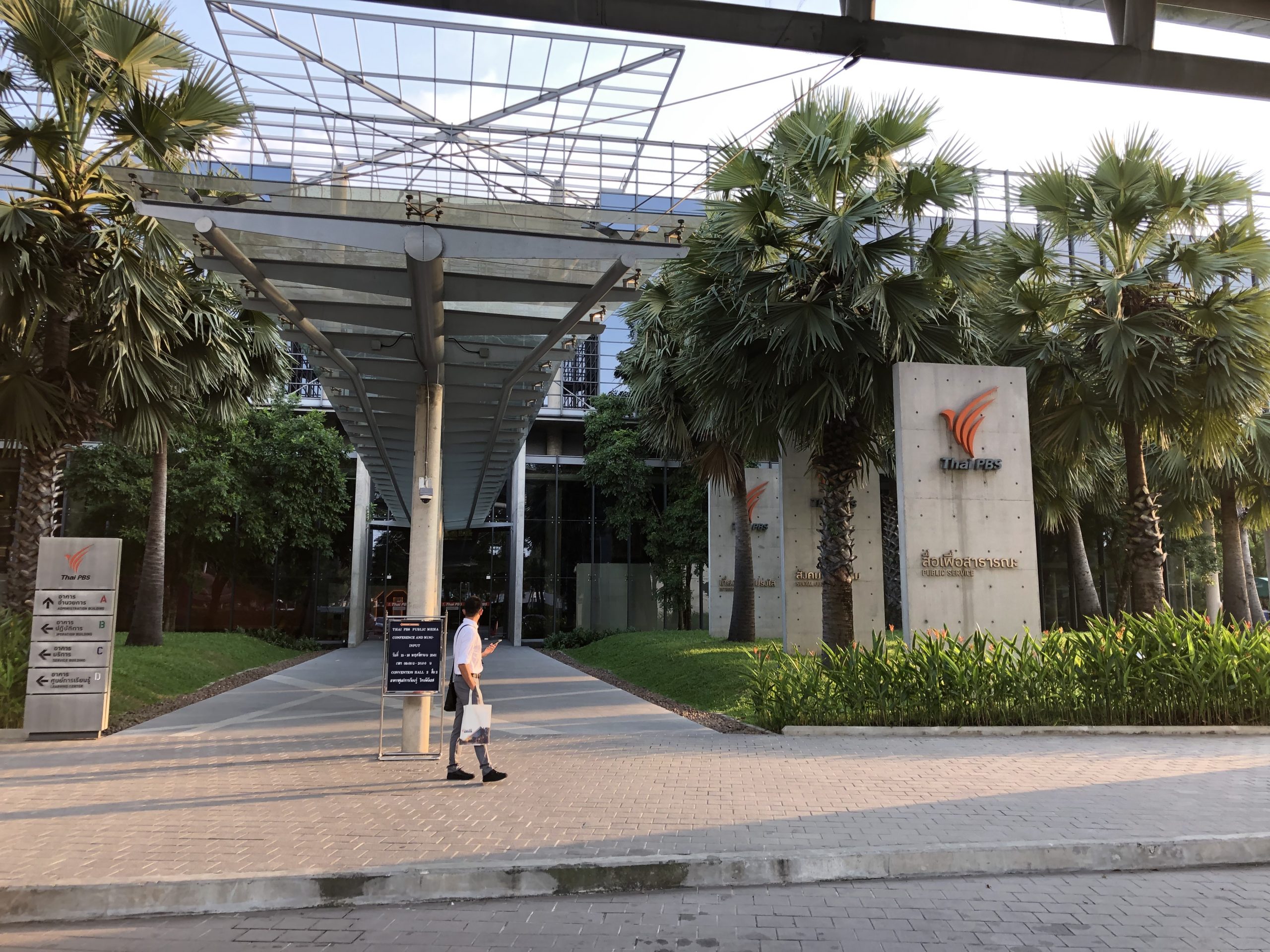
Assurances are needed to ensure that any reform of the Thai PBS funding model upholds its independence, the Public Media Alliance says.
Amendments to the Thai Public Broadcasting Service Act were put forward by a member of parliament from the Bhumjaithai Party, the leading party in the ruling coalition. Under the 2008 Act, Thai PBS currently receives 1.5 percent of taxes collected on alcohol and tobacco sales, capped at THB 2 billion (US$60 million) per fiscal year. The proposal would replace this with an allocation from the annual state budget, subject to scrutiny and approval by the legislature. The bill is open to a public hearing until 14 October, after which it is expected to proceed to Parliament for deliberation.
The proposal is presented as a measure to strengthen fiscal discipline and budgetary oversight; however, Thai PBS is already subject to extensive accountability – it is overseen internally by a Board of Governors, an internal audit department, a public complaints sub-committee, an external evaluation committee, and an Audience Council. Externally, it is audited by the State Audit Office, reports annually to the House of Representatives, the Senate and the Council of Ministers, and falls under the scrutiny of Thailand’s anti-corruption bodies. It is not clear what gaps in this framework the amendment is intended to close, or why they cannot be addressed without altering how the broadcaster is funded.
A stable and predictable funding source is central to the independence of public service media and their fundamental role in underpinning informed democracy. Subjecting Thai PBS’s budget to annual political approval could create a route for pressure, real or perceived, that could shape editorial decisions and lead to self-censorship, undermining the trust of the audiences it serves.
There are three fundamental requirements that the most resilient PSM funding models uphold, and which should be the test of all new potential models: it must ensure independence, it must provide long-term sustainable resources, and it must be sufficient for the public media to deliver its mandate. We are concerned that the new proposal, as it currently stands, does not meet these requirements, with fears it could be at the discretion of parliament on an annual basis, and would also establish a direct financial link between the government and Thai PBS.
PMA therefore seeks assurances that any funding model adopted for Thai PBS will safeguard its independence from state, political and commercial influence, while providing the stability and sustainability needed to future-proof the broadcaster.
“The question is not whether funding models can evolve, but whether public service media can continue to operate effectively, independently and in the public interest when changes are made. Thai PBS was established with safeguards intended to insulate it from political and commercial pressures, and any reform must retain or enhance those protections. The appropriateness of funding models varies from place to place, but we do believe that stable, sustainable funding and editorial independence are non-negotiable foundations of public service media. We stand with our member, Thai PBS, in seeking to protect these principles for the long-term benefit of the Thai public.”
– Kristian Porter, CEO, Public Media Alliance
Related Posts

Funding changes, copyright & cuts | The PMA Briefing
A governing MP suggests a new funding…
Thai PBS’ network of local radio stations
The ‘Northern Roaming Project’ is the…

Thai PBS: Above and beyond broadcasting during a pandemic
Covid-19 profoundly changed everyday…