

World Press Freedom Day | PMA Insight
Why press freedom matters for disaster preparedness and resilience
3 May 2026
Public media are critical partners in disaster preparedness and response—but without press freedom and independence, they cannot be effective.

STATEMENT:
This Insight was written ahead of a scheduled workshop on disaster preparedness and response that PMA was due to run in Lusaka, Zambia, as a side-event to the World Press Freedom Day conference. This workshop has been postponed following the decision to cancel RightsCon, scheduled for the same week in Lusaka. As a result, UNESCO announced the WPFD conference would be significantly pared back and mostly take place online.
The Public Media Alliance is enormously disappointed by all that has transpired. We stand in solidarity with Access Now, the civil society organisation which runs RightsCon, and for media workers and civil society groups in Zambia and the wider region who had intended to attend either WPFD, RightsCon, or both. We further apologise to our members who were going to participate in our workshop.
More information on this situation will be released in due course alongside civil society partners.
Public service media play a crucial role in disaster preparedness and response, through their mission to provide independent, fact-based news and information – and to do so universally, across cultures, regions, and languages.
Recent crises have made this role unmistakable. Natural disasters in Japan, New Zealand and Australia; global health crises such as Covid-19; the ongoing war in Ukraine – all have shown how audiences turn to PSM as a trusted source of accurate information. Acting as ‘critical infrastructure’ – by which they enable the continual functioning of democratic society amidst turmoil – is an increasingly essential duty, and expectation, of public service media, whether such a designation is statutory or not.
Even in times of relative ‘peace’, where a country isn’t contending with an environmental disaster, a national security crisis, or a full-scale conflict, public service media carry significant democratic infrastructural responsibilities.
Independent PSM are essential for accountability and preparation. Following a disaster, journalists, free from censorship or the threat of retribution, can interrogate and scrutinise the causes of and responses to disasters. They can investigate whether negligence by authorities or private companies exacerbated the impact.
But none of this is possible without press freedom.
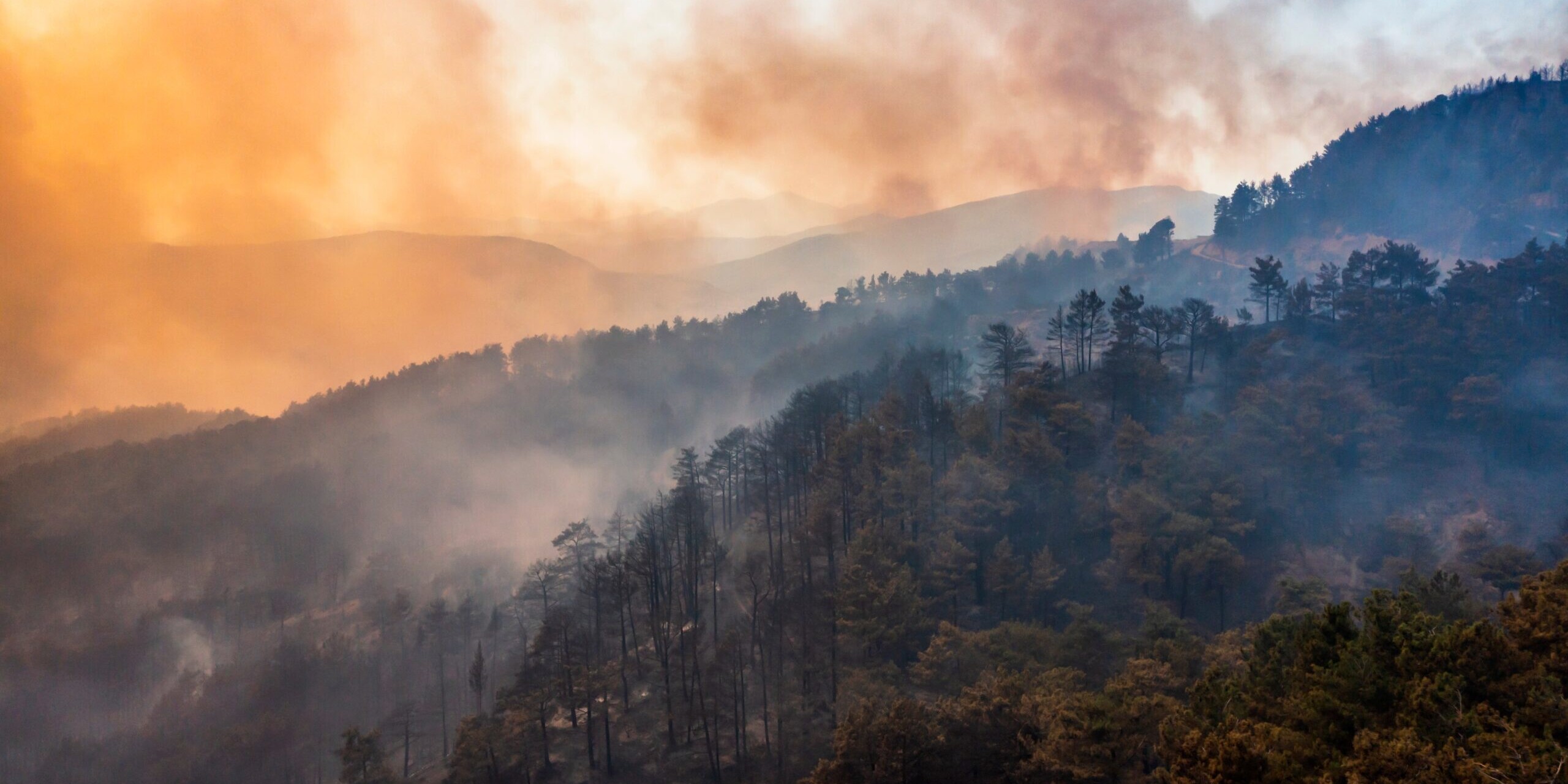
Take severe flooding. It may be triggered by natural causes, but the scale of the damage often isn’t. Independent reporting can expose whether outdated infrastructure, poor planning, regulatory failures, or chronic underinvestment turned a manageable event into a catastrophe. Were warnings issued in time? Were risks ignored? Were mitigation plans followed?
Under the right press freedom conditions, such reporting has two purposes: firstly, it holds power to account for the public, and secondly, helps to expose failures and ensure lessons are learned ahead of future crises.


Press freedom also matters for effective public response. Audiences must trust the news and information that is being disseminated by public service media. If PSM is seen to be overly influenced by or biased towards government or powerful interests, their credibility can be weakened precisely when it matters most.
Even in times of relative ‘peace’, public service media carry significant democratic infrastructural responsibilities. Press freedom matters if PSM are to be successful in delivering on this responsibility.
It also matters for relevance. Independent public media will be more relevant to audiences, and able to produce content and programming that are universal and audience centred. This relevance is essential so that preparedness messaging isn’t ignored but carries impact. Lifesaving news reports and alerts – from tsunami warnings to missile strikes – are a vital part of the communication chain. But they’re nothing if PSM aren’t relevant to begin with, and audiences don’t count on PSM to provide that trusted news and information.
Yet at a time when the need for PSM is growing—amid rising geopolitical tension and escalating climate risks—press freedom has reached its lowest level in 25 years.
Undoubtedly, there is an innate tension here. Disaster response often requires close cooperation between PSM and public authorities. Governments hold the data and operational insight; PSM have the reach to inform the public. Coordination is necessary to deliver timely, accurate information.
But this cooperation makes press freedom matter more, not less.
Press freedom, not just supported by regulatory and legal mechanisms, but also the political will to respect it, ensures there are limits to the relationship between PSM and government. It relies on effective guardrails in place preventing any overstep, while also an understanding from individuals about the importance of independence. PSM must be able to work with authorities in a crisis—and hold them to account afterwards.
When that balance is achieved, societies are better informed, more resilient, and better prepared for whatever comes next.
Related Posts

Showcasing media innovation and community engagement for disaster resilience
The Public Media Alliance hosted a…

PMA to host data journalism showcase on disaster preparedness
Join us for an online showcase and…

How the Caribbean is building disaster-ready communities through information resilience
UNESCO Caribbean shares why initiatives…
BBC World Service announces Emergency Radio Service for Gaza
The programme will provide the latest…