

The PMA Briefing
Big decisions ahead for public media
30 September 2025
European public broadcasters will vote on whether Israel should participate in Eurovision; while Germany’s Constitutional Court delays its decision on the funding impasse. Elsewhere, Nepal’s new Communications Minister outlines his future vision for public media, and should Ghana’s GBC get a new funding model?
Israel & Europe: EBU members to vote on Israel’s participation in Eurovision
European public media organisations are divided over the participation of Israel’s member organisation, KAN. Following growing calls to boycott the international competition, the EBU will hold a vote on the participation of the Israeli broadcaster for the next edition in Austria. Ireland’s RTÉ and more recently Spain’s RTVE joined Iceland and the Netherlands’ stance, announcing they would not join the competition if KAN was allowed to participate.
The position of some public media outlets remains unclear, however. In Sweden, SVT CEO Anne Lagercrantz said that their participation would depend on certain fundamental conditions: a broad European support for the competition is required, the safety of participants and spectators must be guaranteed and the competition should, as far as possible, be apolitical in accordance with EBU rules.
The German public broadcaster ARD recently stated that “Eurovision is a musical event that has united people across Europe and beyond for decades—through diversity, respect, and openness, regardless of origin, religion, or worldview. It is a competition organized by EBU broadcasters, not by governments. As an EBU member, ARD supports the consultation process and the EBU’s decisions, aiming for a sustainable and well-founded agreement consistent with its values.”
Participants opposed to the Kan’s participation will be allowed to withdraw from the competition after the consultation taking place in December.
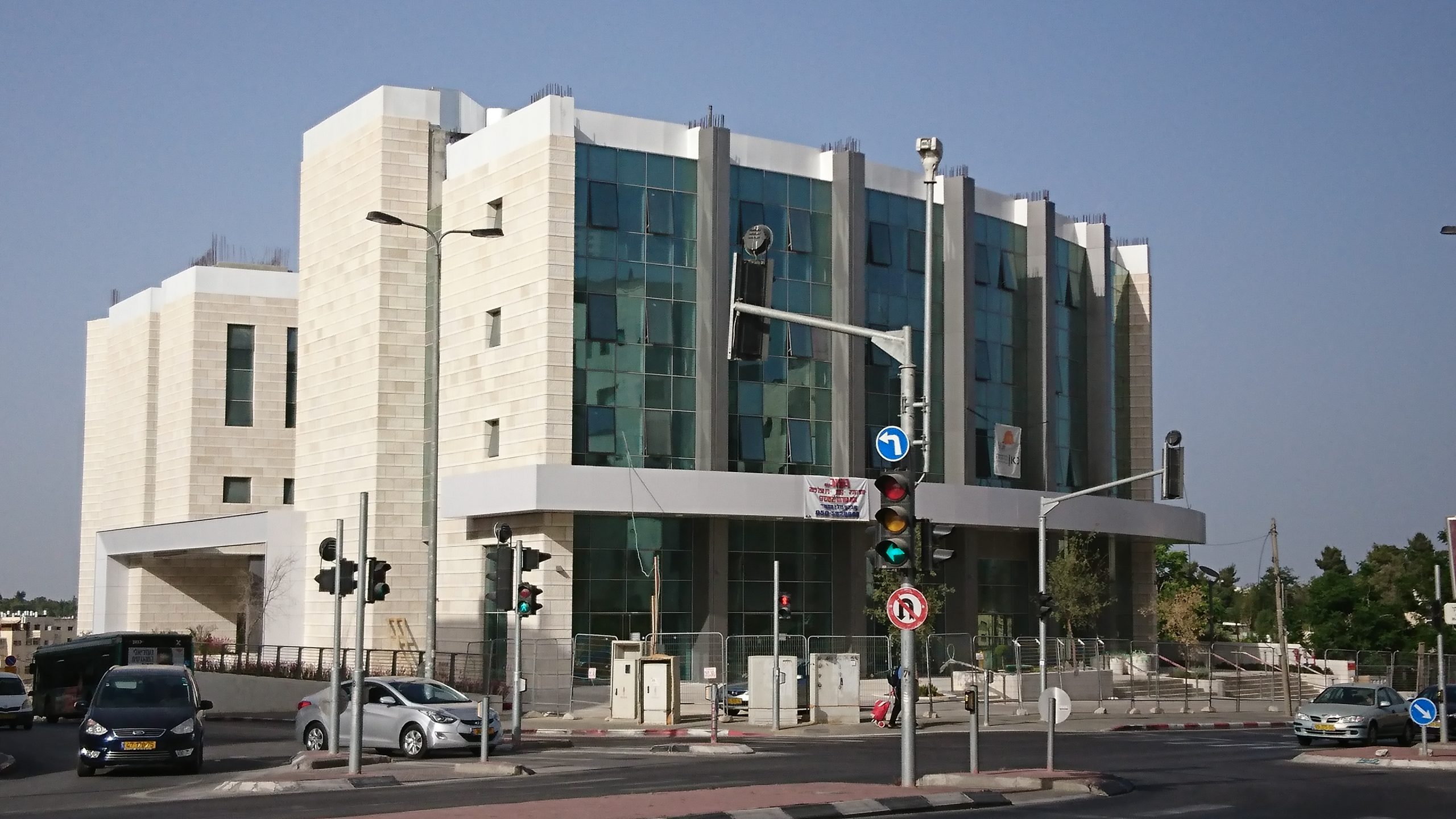
Germany: Constitutional Court’s funding ruling is delayed
The Federal Constitutional Court has postponed its decision on the appeal brought by ARD and ZDF on the household fee until next year.
The fee had been due to go up in January 2025 from €18.36 per month to €18.94, as recommended by the independent body, the KEF. Procedurally, state governments are then meant to follow the KEF’s advice. However, last year, there was a lack of consensus amongst the state governments, with several refusing to approve the fee increase. Consequently, Germany’s two public broadcasters brought the complaint in November 2024 to the Constitutional Court. “This step is difficult for us, but we cannot accept a violation of the procedure,” said Kai Gniffke, Chairman of ARD and Director General of SWR, at the time. “Law and compliance with the law simply do not allow for compromise.”
However, in the latest twist, FEZ reported that the Constitutional Court will not make its decision until 2026. As such, the household fee will remain at the lower rate of €18.36, meaning savings might be necessary.
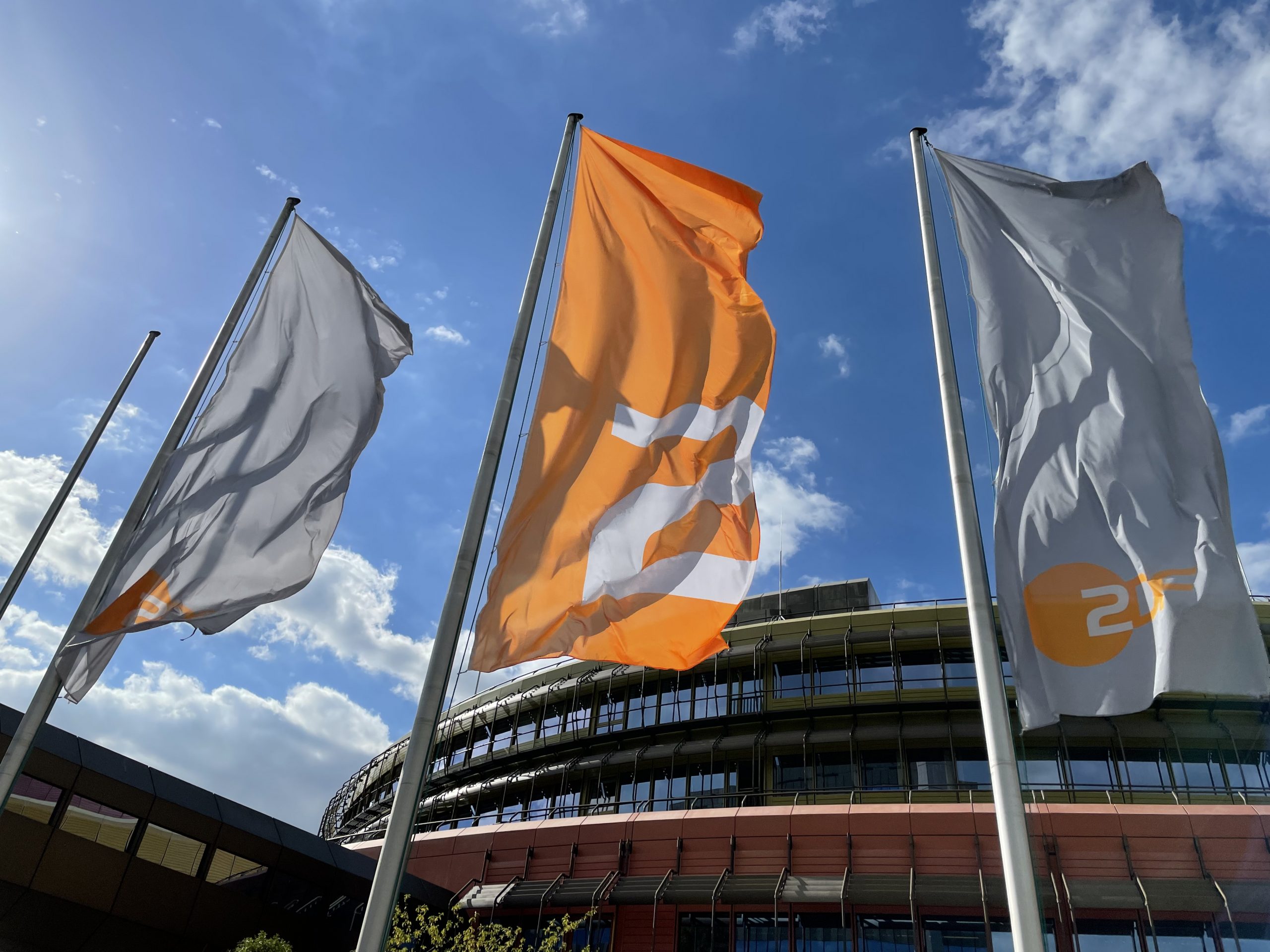
Nepal: Aftermath of protests and the future role of public media
In the wake of protests in Nepal which led to the prime minister resigning earlier this month, the role of social media and journalism in one of the Himalayan country’s most tumultuous periods has come into focus.
There have been long-running concerns about media freedom eroding in Nepal, culminating earlier this month when the government briefly banned social media during the protests, a short-lived move which largely backfired. The IFJ documented more than 40 incidents of media rights being violated during the protests, which led to the government collapse.
This week, the new communications minister, Jagadish Karel, visited the offices of the country’s public broadcaster, which were also targeted in the protests. There, he stressed the institution’s role in Nepal’s political and social movements, and called for it to serve as an inclusive voice of the nation. Nepal’s radio and television broadcasters were recently combined into a new public media entity, with its legislation enshrining independence and modelled off international broadcasters including the BBC and ABC. But with that new institution still in its infancy, its independence was tested during the demonstrations.

Ghana: Tech & funding on the agenda during Africa Media Bureau
Public broadcasting and the wider industry has been the focus of discussions during the Africa Media Bureau held in Accra last week.
In one intervention, a member of the Executive Council of the Ghana Independent Broadcasters Association, called for a new funding model for the Ghanaian Broadcasting Corporation (GBC). Prince Hari Crystal said that the current model meant the GBC was too reliant on the state for financial support, and a different model would grant it greater independence. One alternative option, he said, could be “a media development fund and we should also find a way to change the old law of the TV licensing regime into a new law that allows for a more ring-fenced arrangement where everybody can contribute so that the state-owned media can become truly independent and not rely on subventions from government.”
Elsewhere, the Communications Minister Sam George encouraged media companies to embrace technology, or otherwise risk becoming irrelevant and old-fashioned. “To remain competitive, broadcasters must embrace digital transformation, adopt new technologies, and invest in skill development to stay ahead of the curve,” he said.
However, the financial burden on broadcasters in Ghana could be increasing, after the government recently announced it could no longer shoulder the total financial burden of operating the country’s DTT network.
Related Posts
Public media, working together? | The PMA Briefing
French public media unite against…

New governance structures and electoral concerns | The PMA Briefing
The outcomes of upcoming elections…

What future for public media? | PMA Briefing
Germany and Thailand discuss the future…
Supporting journalism and public media | The PMA Briefing
Calls to end killing of journalists in…