

The PMA Briefing
CEO changeovers & mass protests
18 November 2026
Changeover for public media CEOs in New Zealand and South Korea, as funding crises at RNZ and Czech TV and Radio lead to protests. Plus: the licence fee is suspended in Nigeria, and a new report raises concerns over Colombia’s new government’s handling of RTVC.
New Zealand: Staff hold protest as CEO makes early departure
RNZ staffers have held protests outside their Wellington and Auckland offices on Tuesday, calling for the board to reconsider its plans to cut dozens of jobs. The protest, which took place during the lunch break and did not result in any programme changes, was staged after the public broadcaster announced a NZ$12 million (US$6.7 million) overspend.
The fallout has continued more than a week after the shortfall was unveiled. On Monday, RNZ’s longstanding CEO, Paul Thompson, stepped down. Thompson, who was due to leave at the end of the year, said it was best for him and his family, and accepted it was “a sad note to end on”. The chair of the board, Brent Impey, acknowledged Thompson’s service, saying he had “considerable empathy for him as a chief executive who was provided with inaccurate financial information. He has responded to a difficult situation with courage and integrity.” Thompson has been succeeded on an interim basis by Mark Stevens, the chief news officer. Jason Winstanley had already been announced as the long-term successor.
Meanwhile, the board has faced criticism both from RNZ staff and from politicians. Associate Finance Minister Shane Jones said it was “not credible” that the board were unaware of RNZ’s financial situation, and that he would not “tolerate all this theatrical performative nonsense that no one knew what was happening.” RNZ staffers called for other options to be explored to save money. E tū union delegate Phil Pennington said, “The board rushed to the minister to say the first thing they wanted to do was throw these jobs on the bonfire. We’re saying the last resort should be redundancies.”
After the protests, an email was sent to staff saying that decisions on which jobs will be cut will start from this week. Up to 58 jobs will go, although around half of these had already been planned for. Both the E tū and PSA union are seeking legal advice. It comes during a politically unstable period in New Zealand, with uncertainty over who will form the new government, after the elections earlier this month. The unions said decisions over staff cuts should be held off until a new media minister comes in.
Czechia: Largest rally to protect public media funding and independence
Hundreds of thousands of Czechs turned out last Sunday (15 November), flooding the streets of Prague, to protest the government’s plan to change the funding of the country’s public media.
Since the government introduced the plan to abolish the licence fee which funds Czech Television (ČT) and Czech Radio (ČRo) and replace it with a direct state budget allowance in April, several large-scale protests have taken place across the country. These escalated into a one-day strike led by public media staff earlier this month. However, the 15 November protest was the largest by some margin, with an estimated 350,000 people turning out on Sunday according to DW.
The proposed changes would lead to a significant cut in the public media budget, bringing it back to the level it was almost twenty years ago, which many have warned will impede on the broadcasters’ ability to fulfil their remit properly. Critics also said that the government’s plan would also give politicians more leverage over the public media’s newsrooms, which the government has denied. The bill has passed government approval and is currently awaiting parliamentary debate. A recent fast-tracking of the bill in Parliament drew heavy criticism among national and international press freedom organisations which warned of the overall impact such actions can have on the public broadcasters’ independence in the future. The concerns have reached Brussels, with European Commissioner for EU democracy, Michael McGrath, raising the Czech dispute with members of the European Parliament, vowing they would use “all relevant tools” to protect media freedom. A resolution on the debate of whether the coalition’s action is in conflict with EU law at the EU Parliament should be voted on later this month in Strasbourg.

Colombia: FLIP raises concerns over local journalism at RTVC
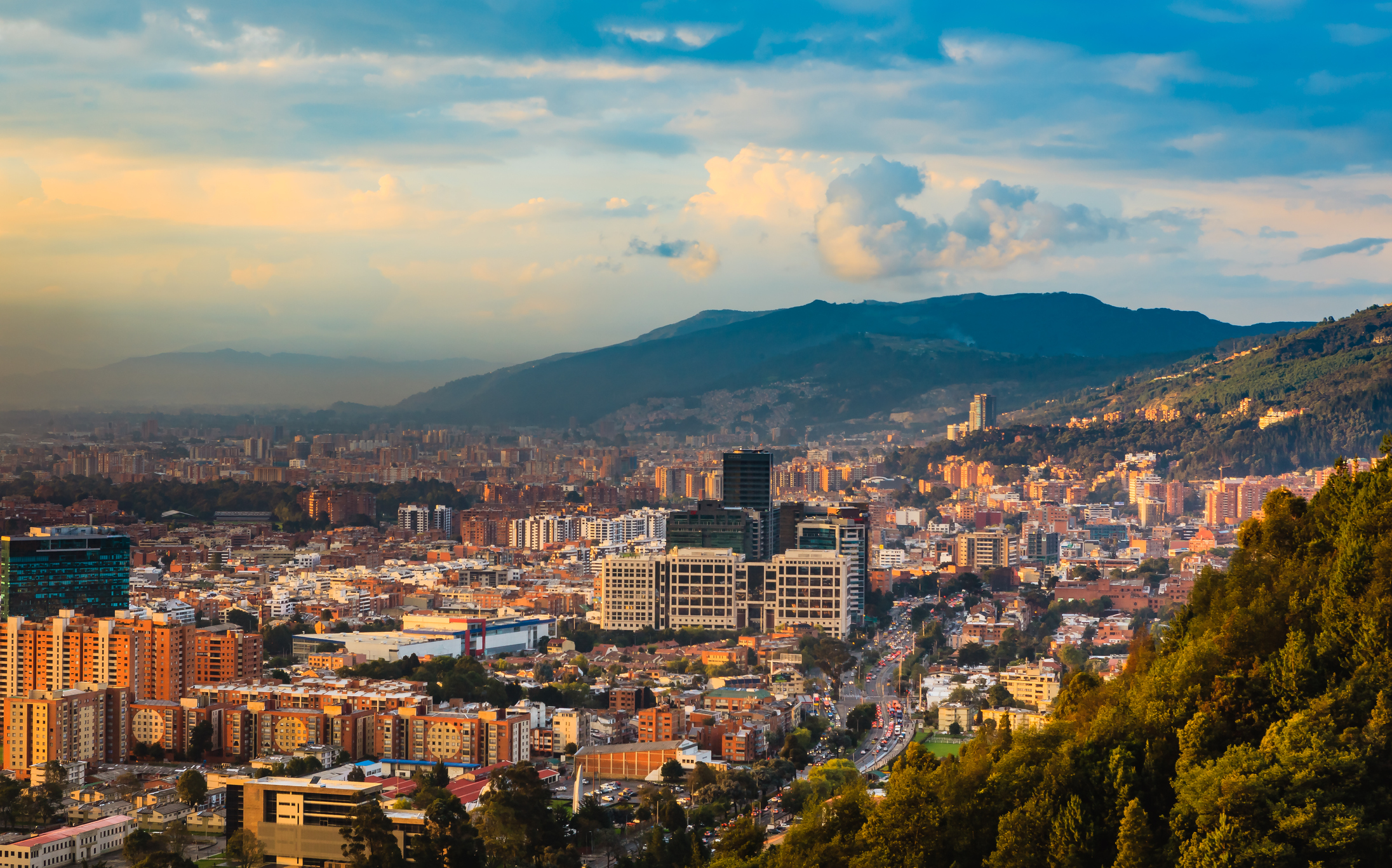
The Foundation for Press Freedom (FLIP) organisation has raised concerns over the future of local news coverage at Colombia’s state broadcaster RTVC, following its decision to suspend programming across 20 radio swwtations back in August.
FLIP’s latest report, which warned of five main barriers to press freedom in the country in the first 100 days of Abelardo de la Espriella’s government, questioned RTVC on the measures it is taking to provide community journalistic content. While frequencies have since returned to the airwaves since the August suspension, the assessment found that local news coverage – including programmes focused on community projects and cultural schemes – still remain absent from the schedule.
The report also highlighted restrictions on journalists’ access to official state sources and information, judicial harassment of the press and pressures on editorial independence. It further documented 95 press freedom violations between 7 August and 12 November 2026 alone, including threats against independent media outlets such as Caracol Radio and RCN Radio.
Nigeria: Government halts licence fee review
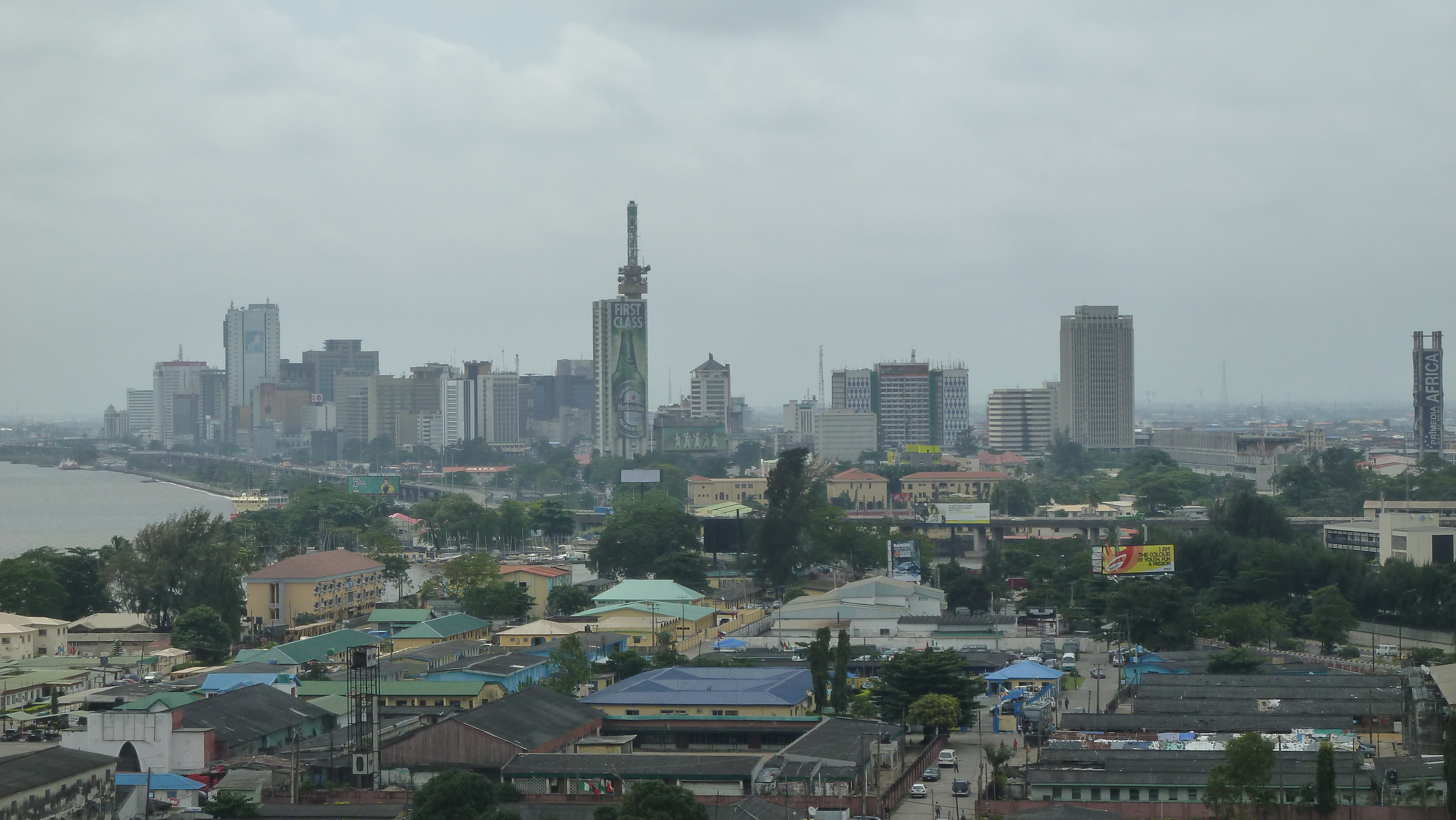
The Nigerian government has indefinitely suspended all reviews of the broadcasting licence fees currently operated by the National Broadcasting Commission (NBC). The suspension followed a series of complaints by the Broadcasting Organisations of Nigeria (BON), a coalition of public and private broadcasters, about alleged rising operational costs and the financial sustainability of broadcasting businesses. Radio and television broadcasters in Nigeria are required to pay licensing fees to legally operate. An increase to the licence fee would add to the mounting operational costs and other challenges stations already have to face, BON warned.
However, the exact terms of the reform proposal have not been made public. The Minister of Information Mohammed Idris said the decision aimed to ease challenges for broadcasters and create a more supportive environment for the industry. In parallel to halting the proposals to increase the licence fee, the ministry of information urged the NBC to hasten the review of the National Broadcasting Code to ensure it reflects the industry’s realities of today.
It comes against the backdrop of the looming nationwide Digital Switch Over (DSO), launched in June to transition television broadcasting from analog to digital signal by the end of 2028.
South Korea: Historical drama offered as a “service to the public” as CEO changeover imminent
A new historical drama has been unveiled by KBS as a “service to the public”, after licence fee collections were restored last year. Historical dramas hold a special significance in Korean public broadcasting, and Munmu, which tells the story of the unification of three Han Kingdoms on the Korean peninsula, marks KBS’ first foray into the genre since 2023. At the launch event, KBS CEO and President, Park Jangbeom, said “Last year, the bill for the integrated collection of broadcasting fees was passed, leading to stability, and we promised to produce a grand historical drama as a service to the public.”
The licence fee which funds KBS was historically collected alongside electricity bills. However, in 2023, the government ended this system, meaning KBS had to collect the fee itself, leading to a funding crisis. In 2025, this decision was reversed, and the KBS president announced Munmu, which cost 30 billion won (US$22.5 million) to produce, was evidence that the restored funding model has “finally borne fruit”. The series was broadcast on KBS on 14 November, and is available internationally on Netflix.
However, despite unveiling the programme, Park is not expected to be in his role for much longer. In September, Park filed an injunction after the board commenced a new recruitment process for his position. The injunction ultimately failed, and a new candidate, Lee Taehyun, was nominated to become the next CEO and president. Lee was given presidential approval in early November, and a confirmation hearing is scheduled for 24 November.
Featured image: Prague, Czech republic, October 25th, 2026: Demonstration in support of public service media, against the change in the law changing their funding, demonstrators, protesters, czech flag. Credit: Shutterstock/Richard Mundl
Related Posts

Losses, boosts & rebuilds | The PMA Briefing
RNZ announces an unexpected $12 million…
Resignation, investment and the global state of state and public media | The PMA Briefing
Leadership changes at RTS, new…
Referendums, audits & boards | The PMA Briefing
Slovenia votes on RTV funding, Thai PBS…

Funding changes, copyright & cuts | The PMA Briefing
A governing MP suggests a new funding…