

The PMA Briefing
Resignation, investment and the global state of state and public media
3 November 2026
RTS saw major leadership changes following the victory of the student movement that aims to depoliticise the public broadcaster; In Brazil, the EBC secured a R$ 23 million (US$ 4.2 million) investment to support the development of its TV 3.0 project. Plus, the State Media Monitor latest findings point to a modest improvement in state and public media independence worldwide.
Serbia: Apologies and resignations at RTS
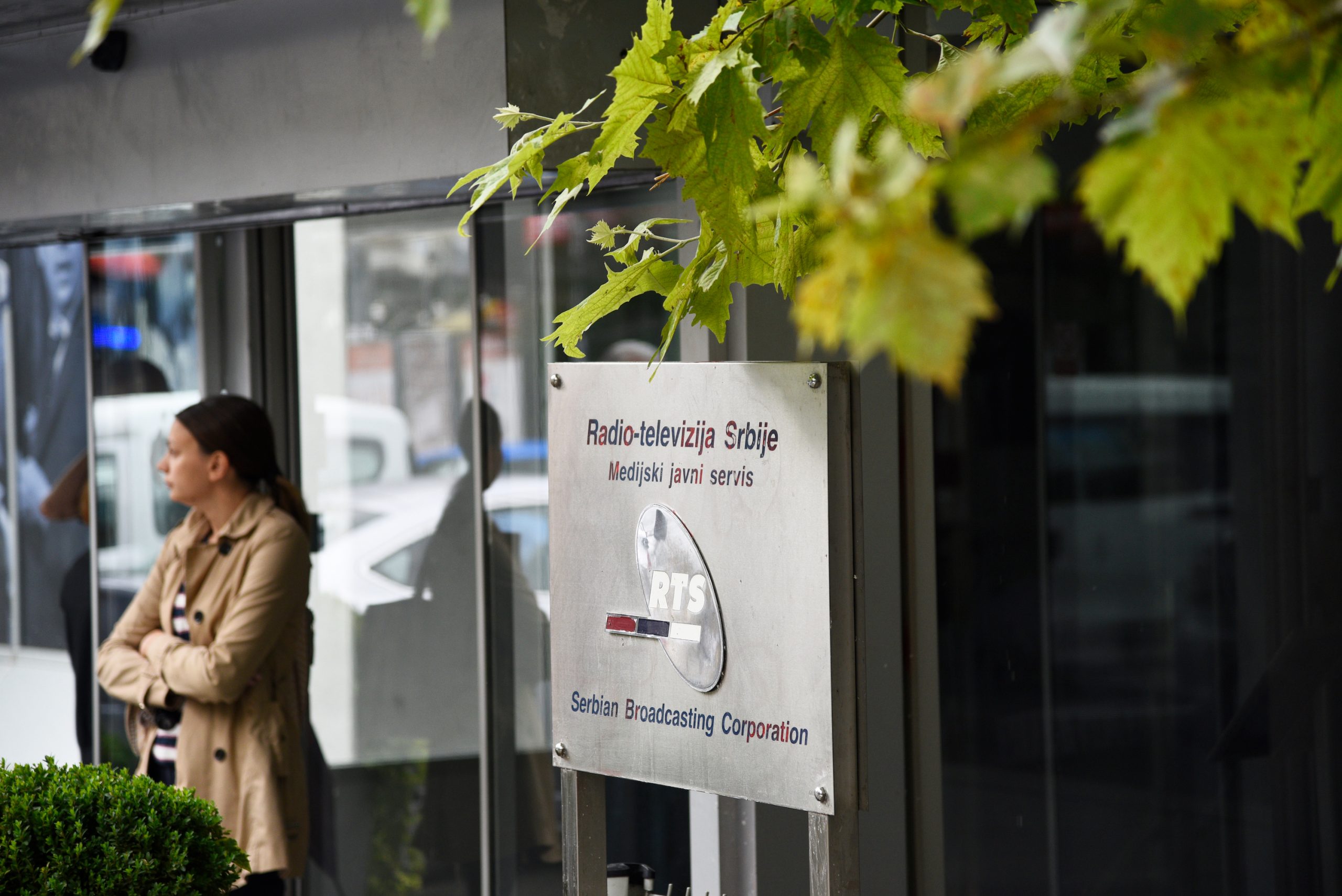
Manja Grcic, the Director General of Serbian public broadcaster RTS resigned last Wednesday after dismissing the broadcaster’s Editor-in-Chief, following sustained pressure from Serbia’s student movement. The leadership changes triggered a wider reshuffle within RTS, with the newly appointed acting Editor-in-Chief Borivoje Uskokovic dismissing eight other editors from their posts.
The student movement’s historic electoral victory, which brought an end to 14 years of rule by Aleksandar Vučić and the conservative-populist Serbian Progressive Party (SNS), has promised to reform Serbian institutions and address longstanding concerns over corruption and political influence, including within public media.
Ahead of the leadership changes, the Student List, the electoral list backed by the student movement, issued an open letter calling for the resignations of the RTS Director General, her deputy, and the Editor-in-Chief. The group accused the public broadcaster of partisanship and favouring the previous government, and called for reforms aimed at strengthening RTS’s independence from political influence.
“The student movement does not want to impose its own management, control or dominance over RTS, but wants the broadcaster to return to operating within the law, follow established procedures and serve citizens, regardless of who is in power,” said Nemanja Karović, an MP from the Student List.
The changes have also extended beyond RTS. Shortly after the election results were announced, regional public broadcaster RTV issued an apology to the public for what it described as years of one-sided and uncritical reporting.
State media monitor: Modest improvements for global PSM independence
The State Media Monitor has published its global findings for 2026, pointing to a modest improvement in the independence of state and public media worldwide.
The global database, developed by the Center for Media, Data and Society (CMDS), provides information on state and public media funding, ownership, management and editorial independence, as well as establishing categorisations for PSM organisations, from State-Controlled, to Independent Public.
Their latest global study mapped 558 active state and public media organisations across 168 jurisdictions. While state-controlled media remains the most prevalent model worldwide, only 95 organisations were classified as editorially independent. The findings also highlight the limited geographical reach of independent public media, which remain concentrated in a shrinking number of jurisdictions.
Political change was a significant driver of shifts in public media for 2026. Changes of government in Hungary and South Korea prompted reassessments or reforms of state and public media, while new political landscapes in the Solomon Islands and Serbia could provide opportunities to revisit existing governance arrangements.
Changes to the methodology used to classify these organisations in the database have also led to the reassessment of several broadcasters. Among them, the Spanish public broadcaster RTVE, was upgraded to the independent category.

Brazil: US$4.2 million investment in EBC’s free-to-air TV initiative, TV 3.0
Brazil’s state broadcaster Empresa Brasil de Comunicação (EBC) has acquired R$ 23 million (US$ 4.2 million) in funding from the country’s telecommunications regulator ANATEL, to support the development of its TV 3.0 project. This initiative aims to introduce a fresh generation of free-to-air television for Brazilians, combining traditional broadcasting with internet-based services.
TV 3.0 is designed to integrate linear television, video-on-demand content and digital applications into a single platform, replacing the traditional numbered-channel format with an app-based interface. The service is expected to be fully operational by July 2027, with the investment supporting the development of a more “connected television experience”, according to EBC CEO Antonia Pellegrino. The investment will also go towards a new media asset management (MAM) system, which will strengthen EBC’s ability to store, catalogue, organise and distribute its archive.

Featured image: The Planalto Palace in Brasília – Brazil. This is where the Office of the President of the Republic is located. This was one of the buildings stormed by rioters on Sunday 8 January. Credit: Angela_Macario / Shutterstock.com
Related Posts

Referendums, audits & boards | The PMA Briefing
Slovenia votes on RTV funding, Thai PBS…

Funding changes, copyright & cuts | The PMA Briefing
A governing MP suggests a new funding…

Solidarity, terrestrial networks & boycotts | The PMA Briefing
Sweden’s two public broadcasters call…

Impartiality, investigations & oversight | The PMA Briefing
The ABC rejects a media regulator…