

The PMA Briefing
Expansion, complaints processes & visas
21 July 2026
CBC/Radio-Canada announces a major international expansion with five new bureaux, while ABC and SBS defend their complaints processes. Plus, a report highlights government pressure on Rai, the BBC annual report shows dramatic decline in licence fee payments, and the US changes the visa rules for international journalists.
Canada: CBC/Radio-Canada expands international presence
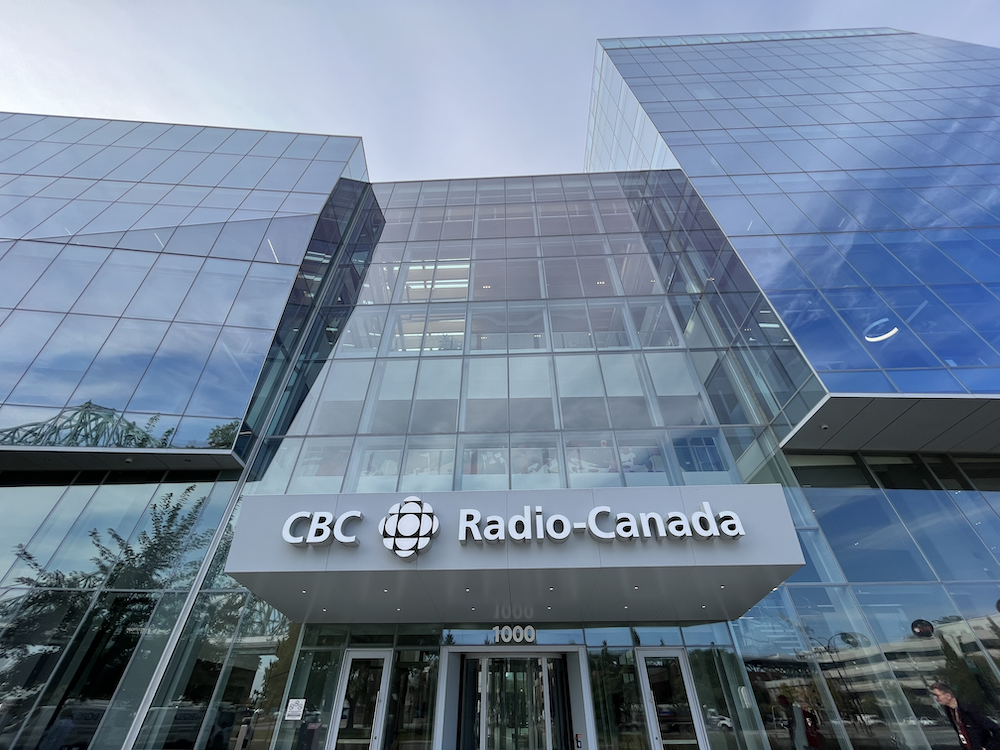
Five new international bureaus will be opened by CBC/Radio-Canada in a major expansion of the public broadcaster’s international presence. Postings in Beijing, Jerusalem, Los Angeles, Mexico City, and an as-yet undetermined city in Europe, will add to the seven existing bureaus, including in London, Taipei, Mumbai and Washington DC. The return of CBC/Radio-Canada to China comes four years after its bureau was closed, when its journalists were unable to get visas.
“This new investment in international reporting comes at a time when the world, and Canada’s place within it, is rapidly changing,” said Brodie Fenlon, General Manager and Editor-in-Chief of CBC News. “Geopolitical, hemispheric, social and economic power dynamics are in significant flux, with many international stories now having a direct impact on Canada’s economy, security and sovereignty.”
There will also be a new French-language international affairs programme, and a commitment to open another bureau in Africa. The cost and timescale for the project is unknown, but comes after the broadcaster was given a CA$150 million (US$107 million) boost in last year’s budget.
Australia: ABC & SBS warn against proposal for new body to review complaints
The ABC and SBS have both rejected a call for a new oversight body to assess complaints against the public broadcasters’ news coverage. The proposal came from the antisemitism envoy, Jillian Segal, during an ongoing Royal Commission on Antisemitism and Social Cohesion, which was set up in the wake of December’s Bondi terrorist attacks.
Segal said the Australian Jewish community had a perception “that public broadcasters’ coverage of the State of Israel’s response to the October 7, 2023 attacks, and the ensuing conflict in [the] Gaza region lacked balance, was over-emphasised relative to other global conflicts, disproportionately gave voice to anti-Israel perspectives.”
Currently, both broadcasters use an ombudsman to assess and respond to complaints. If complainants are unhappy with their response, or the broadcaster fails to respond to them in 60 days, they are able to escalate their complaint to the Australian Communications and Media Authority. Segal argued that the current system allowed the public broadcasters to be “judge, counsel and jury”. She said that such complaints should be examined by an external, independent oversight committee.
However, the ABC’s editorial director, Gavin Fang, warned against the suggestion. “I’m not sure how another oversight body might function in addition to that existing oversight body, which already has the power to review and to examine the ABC’s content,” he said. A statement from SBS said, “SBS’s commitment to factual, balanced and impartial journalism is supported by strong editorial standards, independent complaints processes, and ongoing engagement with communities across Australia.”
Alan Sunderland, a former editorial director at ABC and news editor at SBS, said the idea was “dangerous to the future of the kind of free, independent and rigorous news media that Australia needs more than ever right now.”

Italy: Mission highlights urgent issues to address at Rai
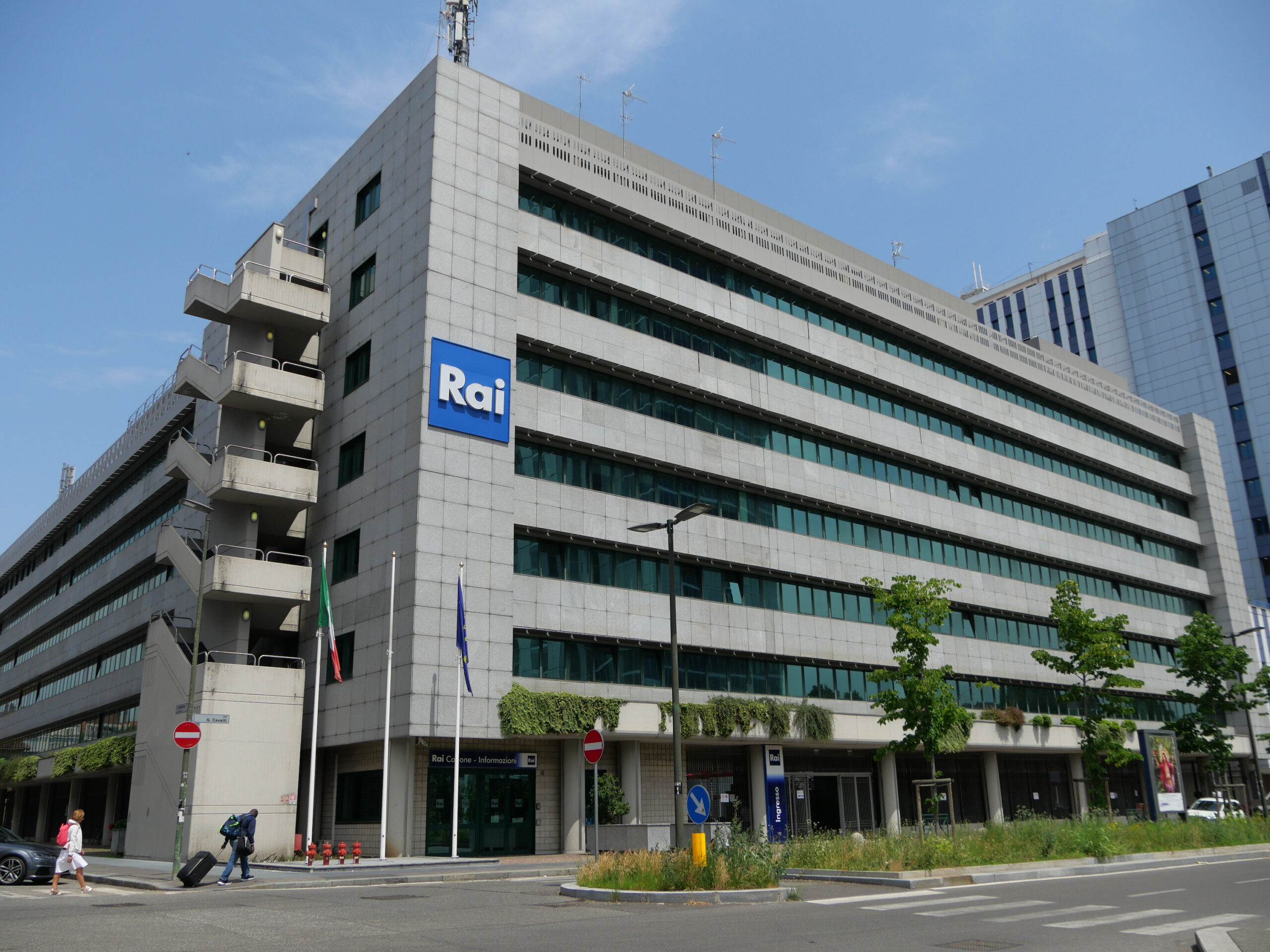
A mission by several European media freedom organisations has found that continued political interference with the Italian public broadcaster, Rai, epitomises a concerning trend for Italian media.
The Media Freedom Rapid Response consortium conducted its third visit to Rome in five years. In its report, it found that Rai’s governance and funding models fail to comply with the standards set by the European Media Freedom Act (EMFA), and the parliamentary committee responsible for its oversight is effectively paralysed.
The consortium said urgent reforms are needed to ensure independence and financial stability, and that an overhaul is needed to meet EMFA requirements around political independence.
It was part of a wider investigation which found that media freedom continues to erode across Italy.
UK: Advert highlights role of BBC, but funding remains stretched
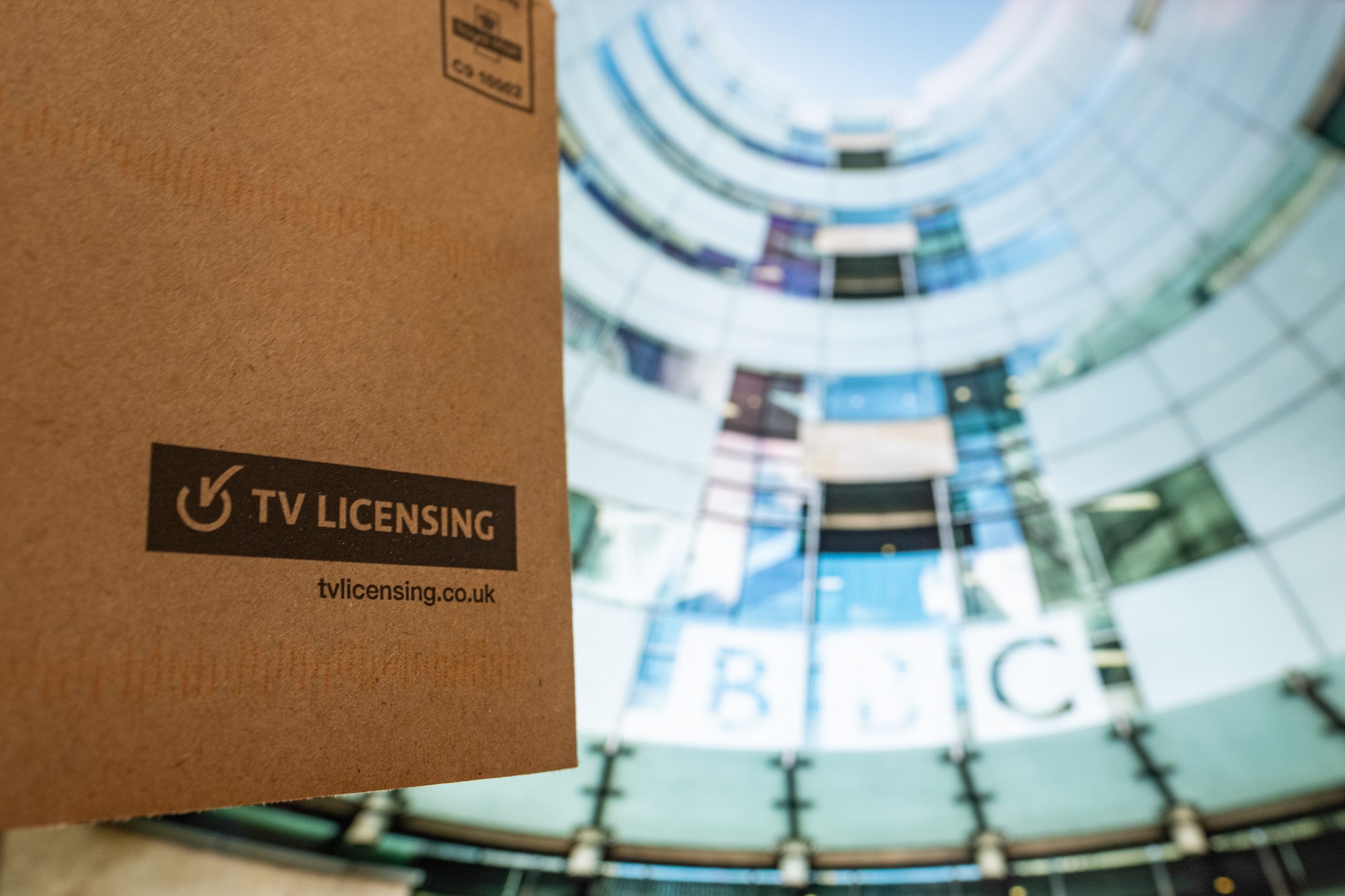
Viewers of the FIFA World Cup final in the UK were treated to a nearly four minute advert by the BBC during half time, asking the question, “What has the BBC ever done for me?” Presented by one of the corporation’s most ubiquitous radio and TV presenters, and featuring an array of famous faces, the advert capped off a tournament-long initiative to encourage more viewers to pay their licence fee.
It comes at a moment of “real jeopardy”, as described by the new director general, Matt Brittin. In its annual report, the BBC revealed that the number of licence fee payers dropped by over half a million in the past year. At £180 per licence fee, that’s more than £90 million (US$130 million) in lost revenue. “When 94% of adults use the BBC per month yet fewer than 80% of households contribute, it tells you the current funding model cannot maintain the BBC’s public service mission,” said BBC chair, Samir Shah.
There are hopes that with charter renewal negotiations ongoing, there might be an option to explore an alternative funding model. The BBC has appeared keen to move away from the licence fee. However, the Culture Secretary, Lisa Nandy – who has retained her position despite the country’s latest change in Prime Minister and cabinet – suggested the licence fee could be expanded to include those who watch streaming services. Currently, only those who watch live content on streaming services have to pay the licence fee, which represents a minimal number of fee payers.
US: DHS confirms cuts to visa lengths for foreign journalists
President Trump’s Department of Homeland Security (DHS) has gone ahead with the decision to radically shorten and restrict visas for foreign journalists in the US, from five years, down to a maximum of 240 days. Chinese journalists will see their approved duration cut even more intensively, for a maximum of 90 days.
The decision – which was proposed by the Trump administration in September 2025 – will overturn the present ‘duration of status’ structure, which has allowed journalists to indefinitely remain in the US, provided that they meet specific prerequisites. Now greenlit by the DHS, this new framework for journalists – alongside affecting international students and exchanges – have received widespread criticism from both press, and media freedom groups including Reporters Without Borders (RSF) and the Committee to Protect Journalists (CPJ). The European Broadcasting Union (EBU) has also warned that restricting journalists to shorter stays will make it extremely difficult to cultivate contacts and bureaucratic knowledge.
Despite these concerns, the DHS maintains that the decision to move away from the previous ‘duration of status’ system will allow more thorough government oversight of foreign journalists and students, and avoid opportunities for immigration fraud.
Featured image: The SBS building in Melbourne’s Federation Square. Credit: Philip Bouchard/Creative Commons
Related Posts

Pressure, prominence & AI | The PMA Briefing
SBC’s CEO decries political pressure, a…

Financial uncertainties, shutdowns & cooperation | The PMA Briefing
Public broadcasters in both Chile and…

Football, local news & cuts | The PMA Briefing
How the FIFA World Cup is driving…

Digitisation plan, streaming tax & reforms | The PMA Briefing
Bills put forward by both the Czech and…