

Indigenous Partnershipsin Public Media
About
Indigenous Partnerships in Public Media (IPPM) was formed off the back of a conference hosted in 2024 by CBC/Radio-Canada, “Walking Together: Amplifying Indigenous Stories in Public Media”. The Indigenous public media leaders it brought together, inspired by the conversations they shared, committed to working closely to address the challenges and harness the opportunities they face globally.
The group is a global, multilingual and agile group of Indigenous journalists, producers and leaders from national public media organisations who meet regularly to collaborate, share information, and advocate for Indigenous representation in public media.
The organisation is Indigenous-led through its management structure and its board governance, ensuring a self-determined and community-centric approach.
Members
There are seven founding members of IPPM, representing five countries.



The vision and purpose of this group is:
To centre Indigenous voices, languages, reporting, storytelling and perspectives across public media organisations, and to become a global voice for First Nations stories.
To challenge stereotypes, encourage truth-telling, acknowledgement and reconciliation, and to increase the presence of Indigenous voices and language in mainstream coverage, to promote the understanding and valuing of Indigenous cultures.
To champion the preservation and promotion of Indigenous languages in public media.
To foster strong and collaborative partnerships based on trust and respect to share lessons, experiences, opportunities, technologies and best practice. These partnerships should also strengthen Indigenous languages, media, and storytelling across all genres and media formats.
To advocate for and provide opportunities for meaningful and equitable representation of Indigenous Peoples in public service media and to increase the meaningful use of Indigenous voices in public service media.
To uplift Indigenous storytellers and give them recognition that strengthens their access to funding and resources.
To seek respectful and equal relationships with communities in programme-making, planning and other dealings. To foster collaboration among Indigenous communities, and find opportunities to work together on joint projects or content proposals.
To serve as a global hub for knowledge exchange, promoting and sharing best practices, leveraging emerging technologies and opportunities, and collaborating with one another to develop knowledge and practices.
To support storytelling by and for Indigenous peoples. This includes collaborating with and supporting other Indigenous media and fostering ties with international and Indigenous organisations and journalists’ associations.
To influence within mainstream and international public media to not only duly reflect Indigenous cultural diversity, but to empower Indigenous voices and meet the UN right to full freedom of cultural diversity and expression.
To develop and support editorial practices and policies that support Indigenous story sovereignty, to support the editorial independence as well as the right and ability to conduct critical and investigative journalism, including within our own communities.
To promote safer and more inclusive working conditions for Indigenous media practitioners.
IPPM is a global, multilingual and agile group of Indigenous leaders from public service media organisations and related bodies who meet regularly to collaborate, share advice, information and best practices, and advocate for Indigenous representation in public media. Its leaders foster adaptability to diverse cultural and linguistic environments and enable rapid decision-making in a globalised world.
The organisation is Indigenous-led and run by the IPPM Council. Each member organisation is represented at the Council by one individual.
The Public Media Alliance (PMA) acts as the secretariat for IPPM, but all decisions are made by the Indigenous-led structure.
IPPM is led by a Council, representing each member organisation.


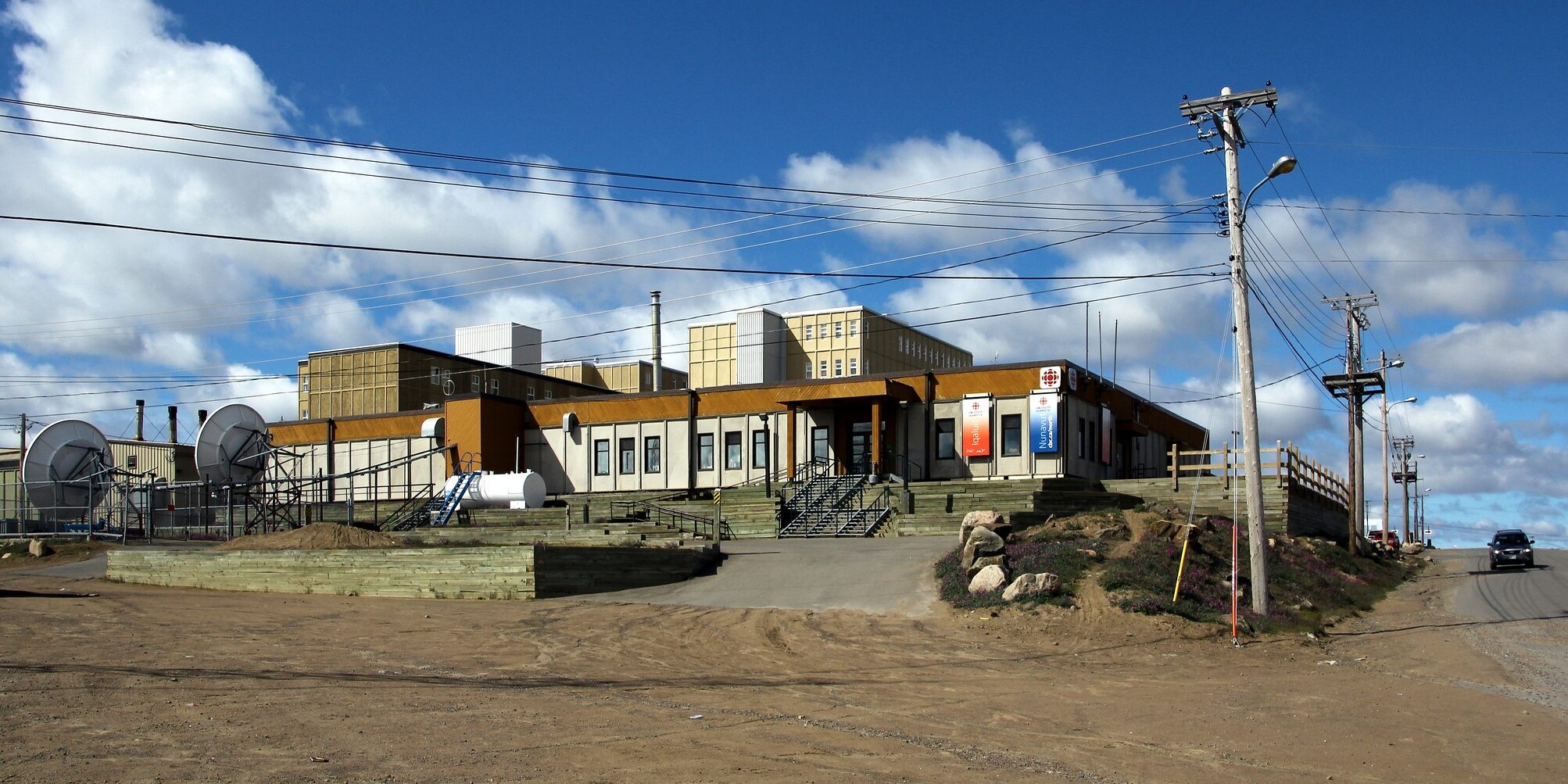
PSM Unpacked | Connecting with and serving Indigenous audiences
MEMBERS EXCLUSIVE: In this PSM Unpacked roundtable, we'll explore how public media can connect with and serve Indigenous audiences.
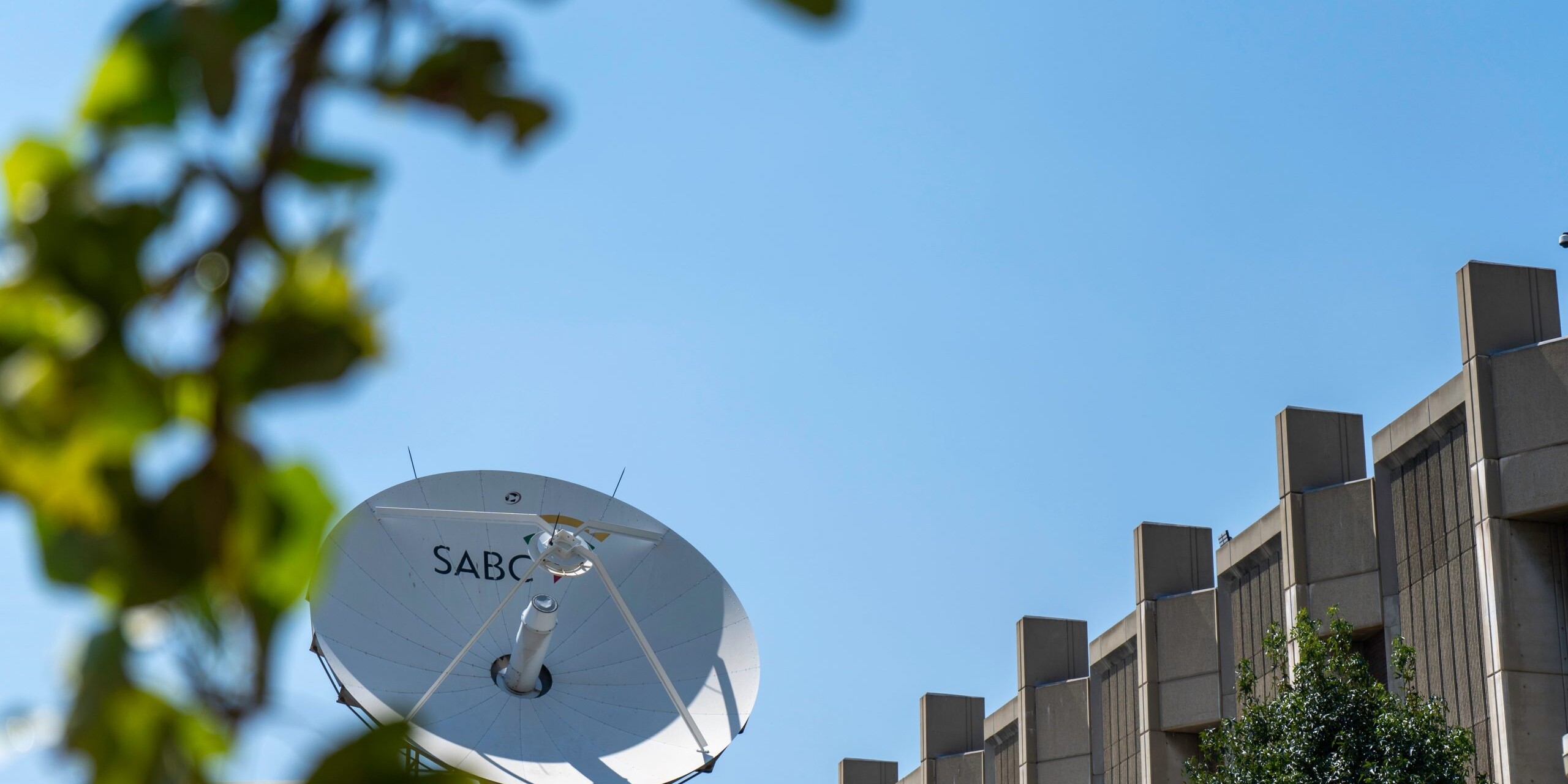
SABC indigenous language news channel to be launched
SABC plans to improve news provision with the launch of a 24-hour news channel in all of South Africa's indigenous languages.

PMA marks International Day of the World’s Indigenous Peoples
On International Day of the World's Indigenous Peoples, we have highlighted some of the recent initiatives from PMA members.

Public media addresses hate crimes against Asian-Americans
From news coverage and educational materials to documentary series, PBS responds to rise in hate crimes with a range of content to bring Americans together.

ABC Australia releases new inclusivity and diversity plan
The Australian public broadcaster, ABC, sets out new measures aimed at enhancing greater integration between Indigenous and non-Indigenous communities by ensuring that local languages and voices are an everyday part of the national conversation.

PBI 2019: How does PSM stand apart?
Ahead of September's Public Broadcasters International we reflect on the key differences between state, public and private media and explore a key societal role of public broadcasters.
New podcast takes listeners on a journey through historic moments in Māori art
16 February 2026
RNZ: In Pūtātara: Revolutions in Māori Art, Matariki Williams and Jamie Tahana journey through the history of Māori art, starting at Ngā Puna Waihanga hui in Te Kaha in 1973. This landmark gathering of Māori artists set off a chain reaction of moments and movements around which Māori art has evolved and revolved ever since.
ABC NEWS launches Deep Time – a digital treasure chest sharing the ancient story of Australia’s First Nations peoples
20 October 2025
ABC: ABC NEWS launches Deep Time today, giving all Australians the opportunity to experience the awe-inspiring ancient story of our continent and its people. Deep Time is not just a story. It is an interactive tool that brings together thousands of years of oral histories that have been passed down for generations.
Featured Report
How public service media are reaching and reflecting Indigenous audiences
Briefing document commissioned by CBC/Radio-Canada prepared ahead of the “Amplifying Indigenous stories in Public Media” in October 2024.
October 2024
Around the world, national public service broadcasters are reflecting on the way they work with and serve Indigenous communities and audiences, marking a century of work that has celebrated and preserved cultures, grappling with sometimes troubling legacies, and plotting a more equitable future that empowers Indigenous storytelling.
In this report, PMA spoke to more than a dozen people from national and Indigenous broadcasters in eight countries and territories, to understand how they’re serving Indigenous Peoples, and what the opportunities and challenges of the 2020s pose for how public service media properly reflect Indigenous communities.
Knowledge Hub
Both PMA and our member organisations publish strategies, guides, and insights on transforming organisations, supporting Indigenous storytelling, and working with communities. Here we collate a collection of them.

Indigenous Peoples and the Media
UNESCO | 2025
In 2023, the UN Permanent Forum on Indigenous Issues (UNPFII) recommended UNESCO to conduct a study concerning Indigenous Peoples and the Media. The resulting study was presented at the 24th session of the Permanent Forum in 2025.
This publication examines national policies, practices and funding programmes related to Indigenous Peoples and media. It supports implementing Article 16 of the UN Declaration on the Rights of Indigenous Peoples (UNDRIP), emphasising Indigenous Peoples’ rights to establish their own media in their languages and access non-Indigenous media without discrimination. The publication also highlights States’ responsibilities to reflect Indigenous cultural and linguistic diversity in media platforms.

Elevate Reconciliation Action Plan 2024-27
ABC | 2025
This is the ABC’s second Elevate Reconciliation Action Plan. It extends and builds upon the commitments in the public broadcaster’s first Elevate RAP to support reconciliation by including Aboriginal and Torres Strait Islander names, voices and languages in ABC programming and thus the national conversation. The ABC’s vision for reconciliation is an Australia in which Aboriginal and Torres Strait Islander names, voices and languages — and the culture and wisdom they reflect — are an everyday part of the national vocabulary and have an unquestionable place in the national conversation

National Indigenous Strategy 2024-27
CBC/Radio-Canada | 2024
In 2024, CBC/Radio-Canada unveiled its first-ever National Indigenous Strategy, Strengthening Relations, Walking Together, and announced the creation of a new Indigenous Office at the public broadcaster.
Strengthening Relations, Walking Together is the public broadcaster’s three-year plan to work with First Nations, Inuit and Métis to better reflect and serve them. The plan creates a framework to actively engage in four key areas:
- Narratives
- People
- Relationships
- Truth & Reconciliation
United Nations Declaration on the Rights of Indigenous Peoples
Article 16
1. Indigenous Peoples have the right to establish their own media in their own languages and to have access to all forms of non-Indigenous media without discrimination.
2. States shall take effective measures to ensure that State-owned media duly reflect Indigenous cultural diversity. States, without prejudice to ensuring full freedom of expression, should encourage privately owned media to adequately reflect Indigenous cultural diversity.
Featured Image Credit: Carl-Johan Utsi / Swedish Radio
Secondary Image Credit: CBC/Radio-Canada