

The PMA Briefing
National inquiries, using AI & a new tax on digital platforms
6 May 2026
As the report from France’s inquiry is published, RTVE wants the markets and competition watchdog to look into the inquiry it’s going to be facing shortly. Plus: Australia’s latest effort to get big tech to compensate news media; the ZNBC is urged to provide balance and equal coverage ahead of Zambia’s elections, and Thai PBS outlines its vision as an AI-first public media company.
France: €1 billion of cuts recommended in parliamentary inquiry final report
The highly-anticipated report of the parliamentary inquiry into French public media has recommended merging radio and television stations, shutting down some services, and imposing €1 billion of savings. The report was published on 5 May, following the five-months long inquiry into “the neutrality, functioning and funding of public broadcasting”, which saw dozens of hearings with figures from the French public and private media.
Drafted by the rapporteur of the inquiry commission, the right-wing MP Charles Alloncle, the report proposed no fewer than 69 recommendations aimed at tightening the belt on public broadcasting. It particularly targetted the entertainment sector, proposing a one-third cut to the sports budget. Game shows would face a 75 percent budget cut, and reality TV would simply disappear from public channels.
The report also recommended an audit of all posts containing the terms “director” and “secretary-general” to avoid a duplication of roles, and recommended that the heads of public broadcasting be directly appointed by the President of the Republic, on the advice of the media regulatory body, ARCOM. If the measures were implemented, Radio France and France Télévisions would also be removed from the Ministry of Culture’s remit and placed under the responsibility of a new body directly attached to the Prime Minister’s Office: the General Secretariat for Public Broadcasting.
According to the President of the Commission of Inquiry, Jérémie Patrier-Leitus, the aim in conducting the inquiry was to weaken the public media and also to prepare the public for a scenario of privatisation. The hearings received extensive media coverage, and Patrier-Leitus noted that some of the rapporteur’s questions and behaviour were aimed at creating “the right media narrative” and stirring up controversy.
The report has already faced widespread criticism, and was described as “le rapport Alloncle” by the French media for its lack of impartiality, a criticism echoed by members from within the inquiry commission. Erwan Balanant, a MoDem representative of the commission even announced they would make their own report to “analyse these proposals and explain why they are harmful”.

Spain: RTVE wants markets authority to assess whether inquiry will interfere in its independence
RTVE has asked the country’s markets and competition authority to look into how the impending investigation into RTVE might affect the “editorial and functional independence of the Corporation.” A commission of inquiry into RTVE was launched last month by two opposition parties, and its purpose is to investigate the public broadcaster, which the party describes as “[prime minister Pedro] Sánchez propaganda paid for with the money of all Spaniards”.
The public broadcaster’s Secretary General and of the Board of Directors of RTVE, Alfonso Morales, has now asked for the National Commission for Markets and Competition (CNMC) to intervene. Morales said that there are “reasonable doubts from the perspective of the guarantees of independence of public media established by EU law, given that it is being promoted in a context where its proponents (the People’s Party and Vox) have publicly made critical assessments of RTVE’s editorial line and news content.”
Morales asked the CNMC to “assess whether the aforementioned initiative may constitute a direct or indirect interference with the editorial and functional independence of RTVE.” He also said the CNMC should look into the facts from the perspective of the European Media Freedom Act, which “prohibits direct or indirect interference” with editorial independence.
The EBU also expressed its support for RTVE, saying that existing supervisory mechanisms are sufficient and in line with Council of Europe international standards.

Australia: Government unveils the new News Bargaining Incentive
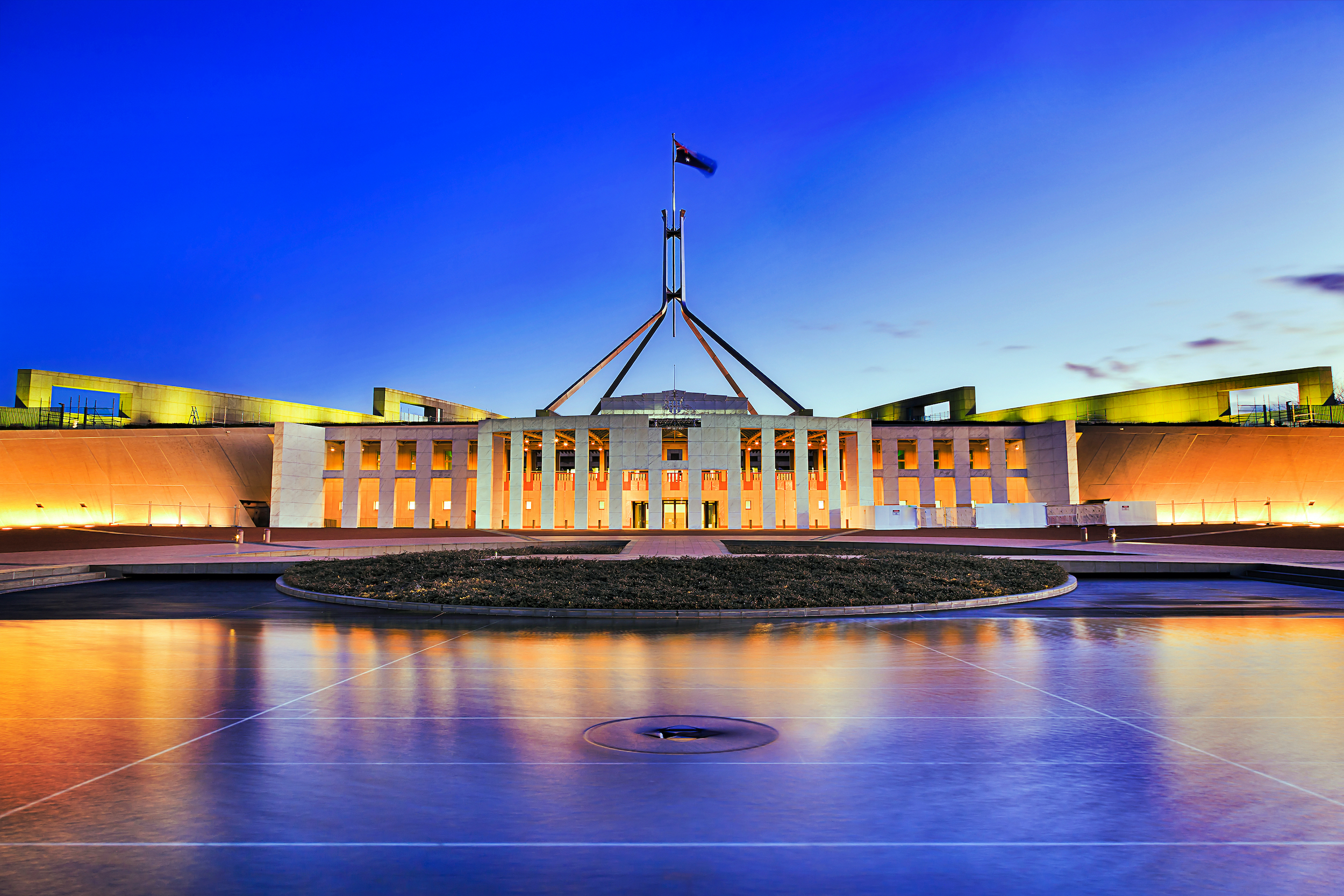
Australia’s newest attempt to get big tech to compensate local news media is moving forwards after the Labor government announced details of the News Bargaining Incentive (NBI). The NBI would see a levy against big tech platforms, which could be offset if they strike deals directly with media organisations to pay for local journalism.
The NBI follows on from the News Media Bargaining Code, which attempted to force big tech platforms to strike deals with Australian media companies, so big tech platforms would fairly compensate media organisations to share Australian news on their platforms. However, the code only applied to Google and Meta, and was undermined after Meta ended its deals and pulled its news service.
The NBI aims to tighten the screw by taxing these companies up to 2.25 percent of their Australian revenue. It would also include more big tech companies, regardless of whether they are hosting news content. But big tech can offset this tax if they strike deals directly with media companies. While how this would work is still up for discussion, the government wants to make it cheaper for the tech platforms to initiate deals with media companies than paying the tax.
Any and all money collected via the tax would be distributed to local news outlets, and it is being suggested this would be done on account of how many journalists a media company employs.
The draft bill was welcomed by the media community in Australia, calling it a “critical step” for Australian journalism. There is a fear, shared globally, that if tech giants do not pay for sharing the news from which they make profit, journalism becomes unsustainable. They urged the government to pass the bill to protect Australian journalism and the role it plays for the country’s democracy. The reaction on the big tech companies’ side was more critical. Google stated it ignored existing deals, and would exempt organisations such as OpenAI, Microsoft and Snapchat. Meta said that news outlets already benefited from posting on its platforms and that this new law risked to “create a news industry dependent on a government-administered subsidy scheme”.
Zambia: Provide fair & balanced coverage, president tells ZNBC ahead of election
Ahead of elections later this year, Zambia’s president has urged the national broadcaster, ZNBC, to provide balanced coverage. The comments from president Hakainde Hichilema were read out by the information minister, Cornelius Mweetwa, at an event in Lusaka for World Press Freedom Day. He also said that ZNBC should ensure all politicians were given an equal platform to share their views with the public. General elections are due to be held in Zambia in mid-August. Mweeta also encouraged media companies to uphold the truth, and not fall into the trap of amplifying mis and disinformation.
However, it comes after the last-minute cancellation of the world’s leading rights conference, which was due to be held in Lusaka this week. According to the organisers, Access Now, “foreign interference is the reason RightsCon 2026 won’t proceed in Zambia or online.” Access Now alleged that Chinese officials objected to the participation of Taiwanese delegates in the conference. “This is a missed opportunity by the Zambian government, squandered if you’d like me to say, as it could have handled the situation better,” said Tabani Moyo, Regional Secretariat Director of the Media Institute for Southern Africa (MISA).

Thailand: Thai PBS ‘Bridges the Gap’ between traditional broadcasting and AI
Thai PBS has unveiled a transformative AI-driven shift in its strategy, aiming to move from a traditional content-focused public broadcaster to one that is led by data and AI across its operations.
Framed as “Bridging the Gap”, this new direction is designed to boost operational efficiency and strengthen management-level decision-making, while remaining aligned with the broadcaster’s mission. The transformation will roll out in conjunction with the organisation’s new Enterprise Resource Planning (ERP) system, which is currently being designed to organise operational processes and data. The initiative has been guided by three key pillars:
- People: Developing staff capabilities, particularly within AI and data literacy
- Process: Streamlining workflows to reduce redundancy and improve organisational agility
- Technology: Exploring and applying AI tools that are relevant to Thai PBS’s operations
Thai PBS Deputy Director Mr. Adisak Limprungpatanakit stressed that AI needs to become a core competency across the organisation, especially within leadership. He noted that leaders must be able to “effectively manage technology, data, work processes, and teams within this new work environment.”

Featured Image: “France.tv” sign on the facade of the headquarters of France Télévisions, the national program company which manages the activities of public television in France. Credit: HJBC / Shutterstock.com
Related Posts

Energy crisis, funding uncertainty & bias accusations | The PMA Briefing
Thai PBS launches an energy saving…

Cuts, threats of sanctions and donations | The PMA Briefing
Media freedom concerns grow in Nigeria…
Overhauls, digital rollout & parliamentary inquiries | The PMA Briefing
Hungarian broadcaster’s news division…

Legal claims, transparency boards & funding restructures | The PMA Briefing
VOA journalists sue the White House…