

The PMA Briefing
Funding boost, layoffs and crisis
19 May 2026
The SABC has received temporary funding relief while in the UK the BBC’s new director general is facing drastic budget cuts, strikes and other challenging decisions on his first day. Meanwhile, France Télévisions responds to a controversial report proposing significant cuts and mergers. In Benin, the national broadcaster’s modernisation plan led to massive layoffs.
South Africa: R234 million boost for SABC
The South African government has given R234 million (US$14 million) to the South African Broadcasting Corporation (SABC) for the coming fiscal year, offering some temporary relief for a public broadcaster under mounting financial strain, driven largely by the collapse of the TV licence, which 80% of people avoided paying last year.
Announced during the Department of Communications and Digital Technology’s budgetary speech, minister Solly Malatsi told MyBroadband the allocation reflects the “continuation of a long-standing commitment by government” to support SABC’s public service mandate. Malatsi stressed the funds are ringfenced, and are not a state bailout.
Despite the additional funding, uncertainty around the broadcaster’s long-term sustainability remains. TV licence fees have historically made up the majority of SABC revenue, with many South Africans, particularly in rural areas, depending on its services for information, education and entertainment. While this latest allocation should sustain its services for now, the government is expected to propose a replacement funding model in the next two years.

UK: Brittin faces £500 million in cuts and strike action on first day as BBC Director General
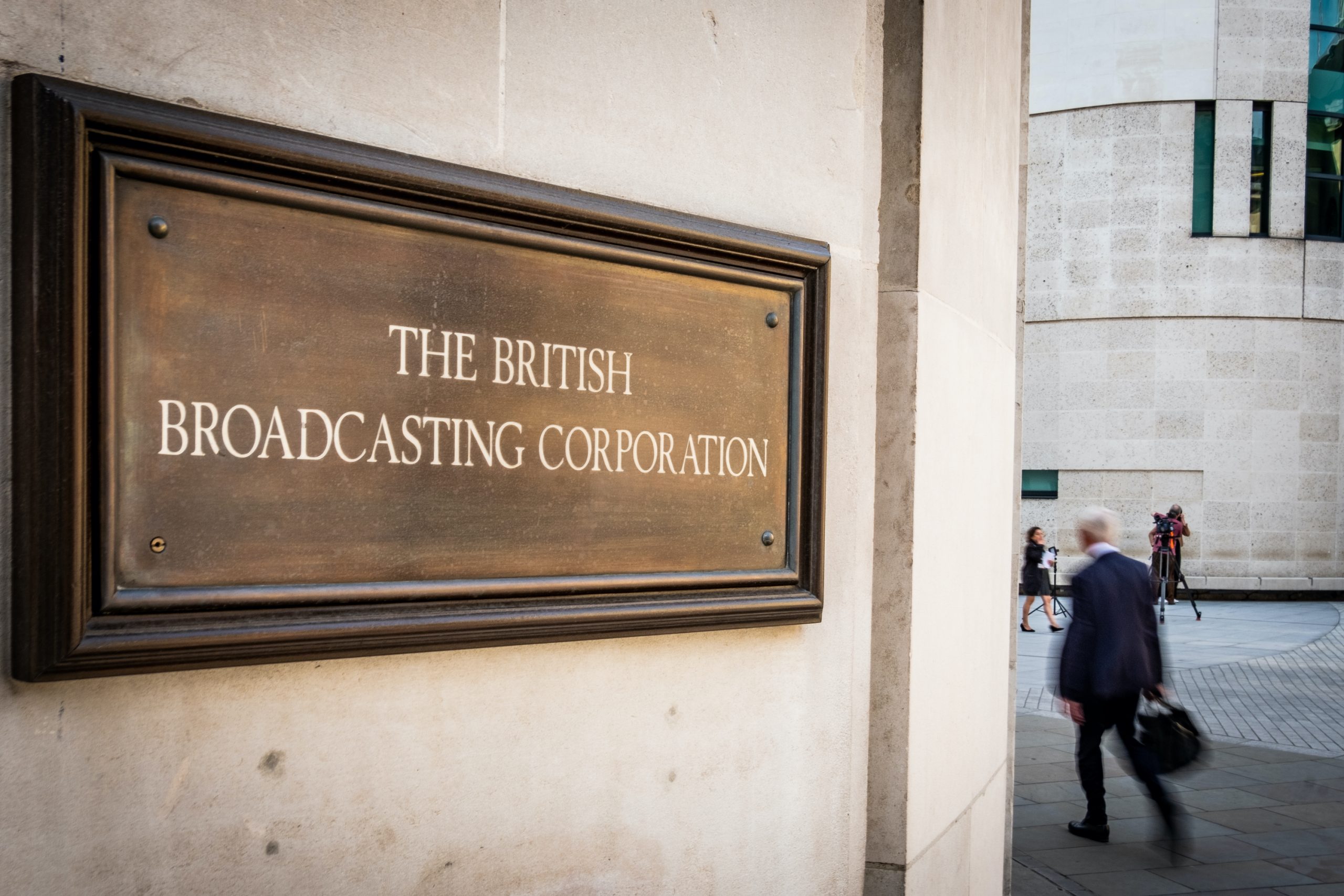
On his first day as the BBC’s new Director General, Matt Brittin warned that challenging decisions lie ahead, as the public broadcaster grapples with “significant financial pressures”, including £500 million in planned cuts. Brittin’s arrival also aligned with industrial action from the National Union of Journalists (NUJ), with staff striking over proposed shift changes affecting BBC World Service and Radio 4 programming.
Brittin inherits these challenges from former Director General Tim Davie, who resigned last year following criticism over a Panorama documentary edit of a speech by President Donald Trump. Trump is currently pursuing legal action against the corporation.
Brittin, who previously worked at Google and comes from a technology background, now faces the challenge of delivering £500 million in savings, which could translate to up to 2,000 jobs lost. He must also finalise negotiations with the government over renewing the BBC’s royal charter which defines how the corporation operates and is funded. The current charter is due to expire in 2027.
In a statement to staff, Brittin emphasised that ahead of these challenges, there is a need for the BBC to reinvent itself – as it did during World War Two and the Covid pandemic – in order to compete with growing digital platforms such as YouTube and TikTok.
Benin: Wave of layoffs at SRTB
169 people were laid off without notice last week at the Benin national broadcaster.
The SRTB, which replaced the Benin Radio and Television Office (ORTB) in November 2023, is undergoing a major modernisation process, including a skills audit to reassess the workforce.
But the decision to cut 169 jobs has been condemned as rushed and with no prior engagement. The trade unions said a consultation process is required before any decision takes place. They also said that no redundancy plan was presented to them. The unions called the plans excessive and likely to cause “emotional distress with unforeseeable social consequences”.
The mass redundancies follow several rounds of departures in recent months.

France: France Télévisions responds to the Alloncle report
France Télévisions has contested proposals put forward by the rapporteur of the committee of inquiry into public broadcasting, which proposed significant budget cuts, the merger or closure of several channels, and the appointment of management by the President of the Republic.
The President of Radio France, Sibyle Veil criticised the proposal to reinstate presidential appointments . “It is paradoxical that a commission set up with the aim of shedding light on independence should end up making senior executives accountable to the President of the Republic for their appointment,” she said. “Add to that a reporting line to the Prime Minister and increased financial pressure, and you have all the ingredients for a ‘bring-to-heel’ situation.”
In its response, France Télévision criticised both the substance and the form of the report, insisting that some of its conclusions were based on biased information and that fails to address the real issues. Point by point, they dissected Alloncle’s proposals, explaining why they would prove harmful to the mission of public service broadcasting.
The inquiry’s rapporteur, Charles Alloncle, has now tabled a bill based on his own recommendations “to prevent conflicts of interest”. In his report, Alloncle deemed the procedures for preventing conflicts of interest insufficient. The bill proposes oversight for former public broadcasting executives who take up positions in production companies, aimed at ending alleged favouritism.
Alloncle’s ambition to put an end to the “presenter-producer system” and prevent public media staff from leading production companies was outlined in the report.

Featured Image: South African Broadcast Corporation (SABC) Television Park in Auckland Park, Johannesburg. It offers television facilities in Broadcast, Production and Post-production for SABC1, SABC2, SABC3, SABC Encore, SABC Sport, SABC News, SABC Education and all SABC Content in South Africa. Credit: THEGIFT777/iStock
Related Posts

Boycotts, blocks & closures | The PMA Briefing
Eurovision is set for its biggest…

National inquiries, using AI & a new tax on digital platforms | The PMA Briefing
After France’s inquiry report, RTVE…

Energy crisis, funding uncertainty & bias accusations | The PMA Briefing
Thai PBS launches an energy saving…
Cuts, threats of sanctions and donations | The PMA Briefing
Media freedom concerns grow in Nigeria…