

The PMA Briefing
Boycotts, blocks & closures
13 May 2026
Eurovision is set for its biggest challenge as five broadcasters boycott the event. Plus: Bangladesh’s government suggests it might close BTV, while New Zealand’s regulator is set to close. The PTS board remains in paralysis as the chair is booted from a committee hearing, ABC’s international work gets a new funding settlement, and TV5 Monde is kicked out of two Sahel countries.
Europe: Singing contest faces boycott over Israel’s participation
As ORF prepares to host Eurovision for the third time, the singing contest is facing its sternest challenge, with multiple broadcasters boycotting the show.
The boycott is over the participation of Israel’s public broadcaster, KAN, which this year, has triggered a particular backlash. Staff at Portugal’s RTP called for the broadcaster to end its involvement in the show, while over 1,000 musicians also called for a boycott. Multiple broadcasters have confirmed they will abstain from this year’s event. RTÉ of Ireland, RTV of Slovenia, and RTVE of Spain all said they will not participate in the competition, nor broadcast any of the semifinals which are taking place throughout the week, or the grand final which takes place on Saturday. The broadcasters of Iceland and the Netherlands also said they too would not participate, but will still broadcast the competition. It’s been described as “the contest’s biggest boycott”, and has filtered across to the actual event. Israel’s contestant took part in the semifinal on Tuesday evening, and was booed by some in the crowd.
KAN, the Israeli broadcaster, has also been caught up in the controversy. It was criticised by the EBU, which organises Eurovision, over an ad campaign that asked people to vote up to 10 times for the Israeli contestant. Meanwhile, a New York Times investigation alleged that the Israeli government has been using Eurovision as a soft power tool. KAN told the newspaper it was unaware.
In a speech ahead of the competition, ORF’s director of public value iterated the importance of the competition, and why it fulfils broadcasters’ public service obligations.

Bangladesh: BTV on notice after financial woes
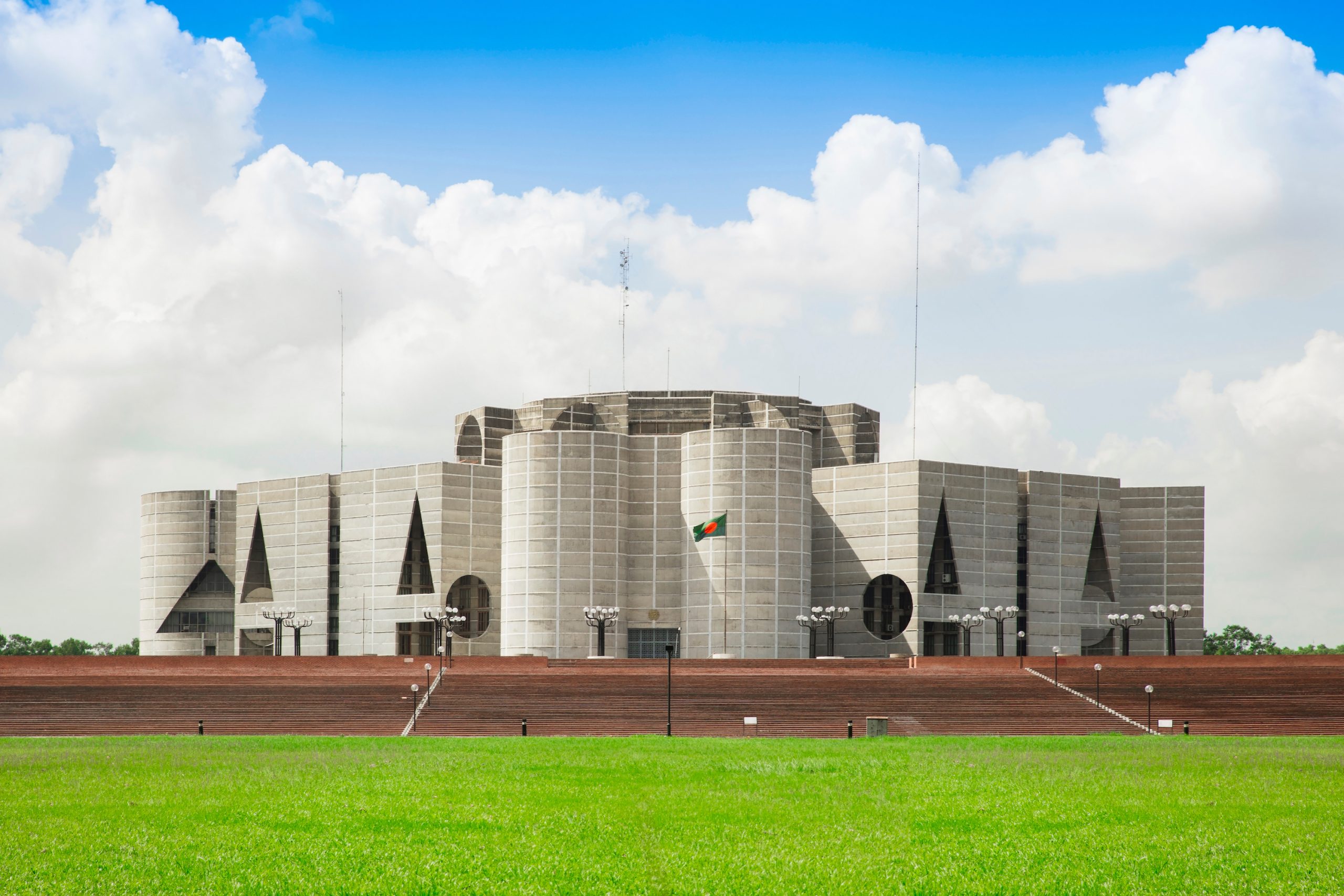
The new government of Bangladesh is considering shutting down Bangladesh TV, due to the wide disparity between its budget and the revenue it brings in. During a World Press Freedom Day event, the adviser to the prime minister on information and broadcasting, Zahed Ur Rahman, said that they were looking into winding down BTV, or at least, restricting it to public welfare content.
Zahed revealed that BTV’s annual budget is more than Tk300 crore (between US$23-24 million), while it only generates Tk15-Tk16 (US$1.2-1.3 million) in revenue. BTV uses both advertising and licence fees for its funding, but this has proved unable to support the financial needs of the broadcaster, and therefore is predominantly funded by government subsidies. Zahed said any reform proposals would be worked through with the Media Reform Commission – a body set up after the fall of the Sheikh Hasina government to implement steps to provide greater freedom for the media. No further details or timeline were shared.
During the event, Zahed also promised the new Bangladeshi government would deliver greater press freedom, but the consulting editor of the Daily Star challenged this, saying, “We want clear policy commitments from the government and a principled stance to ensure media freedom and protection. Until such commitments are made, I will remain sceptical.” The information and broadcasting minister, Zahir Uddin Swapon, subsequently announced the creation of a new independent media commission.
New Zealand: BSA to disband in favour of self-regulation model
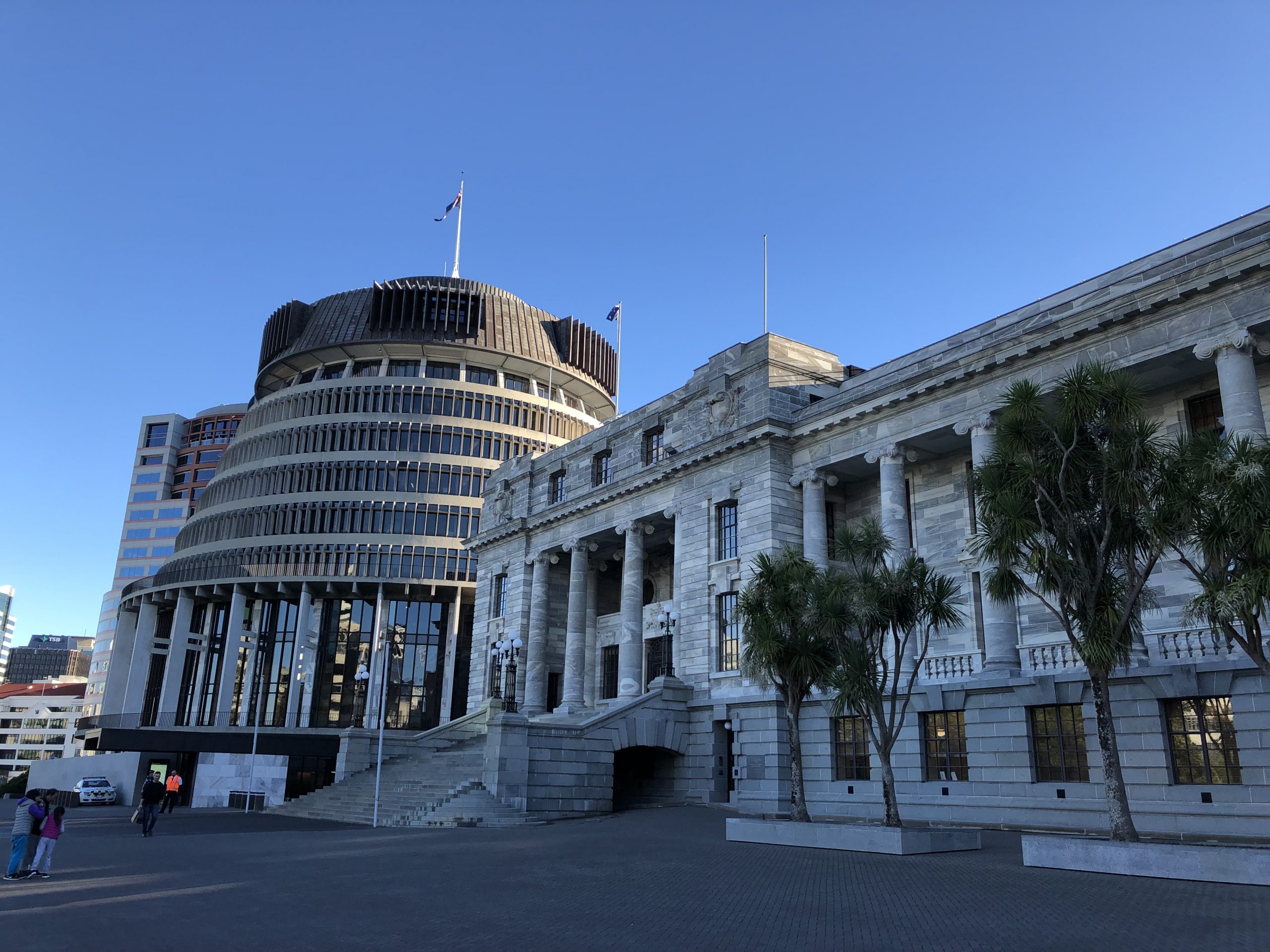
The New Zealand government has announced it will disband the Broadcasting Standards Authority, in favour of a self-regulation regime for media. The media and communications minister, Paul Goldsmith, said “regulatory settings have not kept up” and the current framework can create inconsistencies and “unfair outcomes”. “If you’ve got a panel discussion on a podcast that’s on demand, that’s not covered, but if you’ve got a panel discussion on RNZ, it does, and there’s no sort of logic for that,” he told RNZ.
Few, including the chief executive of the BSA, disagreed that the current structure was flawed and insufficient for today’s media landscape. BSA chief executive Stacey Wood said the authority had argued for more than 15 years that the current Broadcasting Act was no longer fit for purpose. “It was clear any future regulator would need to look different to the existing BSA,” she said.
But this week’s announcement came after the regulator faced criticism from government ministers, including Seymour, following a decision to begin regulating podcasts and online media. A former BSA member, Pulotu Tupe Solomon-Tanoa’I, told PMN the decision would undermine Pacific voices, who fight to be heard.
New Zealand fell six places in this year’s press freedom index by RSF, taking it outside the top 20. Ten years ago, it was fifth.
Taiwan: PTS chair kicked out of committee hearing
The paralysis affecting the PTS board has reached a new level, after the chair, Hu Yuan-hui, was kicked out of a committee hearing by one of the committee members. Lo Chih-chiang, a member of the opposition KMT, said Hu’s term ended in May last year, and therefore was no longer the PTS chair, and should not be in the hearing.
Given recent amendments to the Public Television Act, passed in January, which removed the ability for PTS board members to remain in their position after their terms expire, Lo argued that Hu was no longer able to serve as chair. However, Hu pointed out that the Foundations Act provided a legal basis for his ongoing role.
The larger issue at play is the ongoing stasis which the PTS board finds itself in, with some board members’ terms already expired, and the committee which appoints new members stuck in a political deadlock. Board members are put forward by the Executive Yuan but must be approved by two thirds of the review committee, whose members reflect the balance of power in the Legislative Yuan. However, eight KMT-appointed members of the review committee recently resigned in protest at some of the individuals being put forward by the ministry, meaning no end to the crisis is in sight.

Australia: Funding renewed for ABC’s presence in Indo-Pacific
The ABC has been awarded AU$14 million (US$10.5 million) over two years to continue its work in the Indo-Pacific region. The funding comes from the government’s Indo-Pacific Broadcasting Strategy, which since 2022, has disbursed AU$68 million to the ABC. The funding injection came after a decade of cuts under the previous coalition government, which reduced the ABC International budget to its “bare bones”.
In a statement, the ABC’s managing director, Hugh Marks, said “Since the launch of the government’s Pacific Engagement initiatives in 2022 the ABC has welcomed the opportunity to expand our reach, deepen audience engagement and support local media capacity across the Indo-Pacific.” Over that time, the ABC has doubled the footprint of ABC Radio Australia FM, doubled the amount of Pacific-focussed content, delivered media capacity building training, signed more than 20 content sharing agreements, and established the Pacific Local Journalism Network.
“This renewal allows the ABC to keep engaging audiences across the region, share the story of modern Australia and bring important stories back to Australian audiences from our neighbours,” said Claire Gorman, the head of ABC International.

West Africa: TV5 Monde banned in Sahel over terrorism coverage
International French language network TV5 Monde has been suspended across the Alliance of Sahel States following its coverage of a recent rise in terror attacks across the region. The Alliance was created by Mali, Burkina Faso and Niger in January 2025, after breaking away from ECOWAS.
In Burkina Faso, the suspension followed allegations that the outlet had violated “law, ethics, and professional conduct”, in relation to its reporting on terrorism attacks in Mali. The outlet had already faced two other suspensions in April and June 2024, alongside BBC Africa and Voice of America, after highlighting a Human Rights Watch investigation into extrajudicial killings involving the army. The latest ban reflects a wider crackdown by Burkina Faso’s military leadership on dissent, with the junta having steadily dismantled independent media, civil society and critics since seizing power in 2022.
Meanwhile in Niger, authorities suspended nine French media outlets, including TV5 Monde, after concerns the broadcaster was “likely to seriously endanger public order”. Alongside Burkina Faso, Niger’s junta accused the broadcaster of spreading harmful disinformation about the terrorism attacks in Mali, in line with the country’s 2024 law criminalising online content deemed to disturb public order. International human rights and press freedom organisations, including Reporters Without Borders and Article 19, have condemned the ban.
TV5 Monde was already banned in Mali since May 2025.

Related Posts

National inquiries, using AI & a new tax on digital platforms | The PMA Briefing
After France’s inquiry report, RTVE…

Energy crisis, funding uncertainty & bias accusations | The PMA Briefing
Thai PBS launches an energy saving…
Cuts, threats of sanctions and donations | The PMA Briefing
Media freedom concerns grow in Nigeria…
Overhauls, digital rollout & parliamentary inquiries | The PMA Briefing
Hungarian broadcaster’s news division…