

The PMA Briefing
Restructures and reforms take hold
11 February 2025
Argentina’s government has ensured it maintains oversight and influence in the structure, management and funds of the country’s broadcasting system; Tanzania’s TBC finally has a legislative mandate; and while a licence fee increase for Czech public media has been stymied by the opposition, discussions over how the France public media sector should be funded are ongoing.
Argentina: Government decides to extend its supervision over public media
The Argentinian government has extended its oversight of the public broadcasting sector for at least another year. The government has presided over the governance and operations of Radio and Television Argentina (RTA) and the State Advertising Agency (APE), formerly Télam, since 2024. The new Administrative Decision, published on 2 February, extended this oversight under the pretext that “a public emergency was declared in economic, financial, fiscal, administrative, pension, tariff, health and social matters.”
In his first year as President, Javier Milei has significantly reduced the size of the public sector, cutting 35,000 jobs. Télam, the public news agency, was shuttered early on, and subsequently transformed into the State Advertising Agency.
This new directive illustrates the government’s further desire to exert its control over RTA and APE: “In order to achieve greater efficiency in the operation of the public sector, it is necessary to carry out a profound reorganisation of public companies.” It gives the government, through appointed intervenors, the licence to oversee an entire restructure of the companies, their organisational and management structures, and their funds.

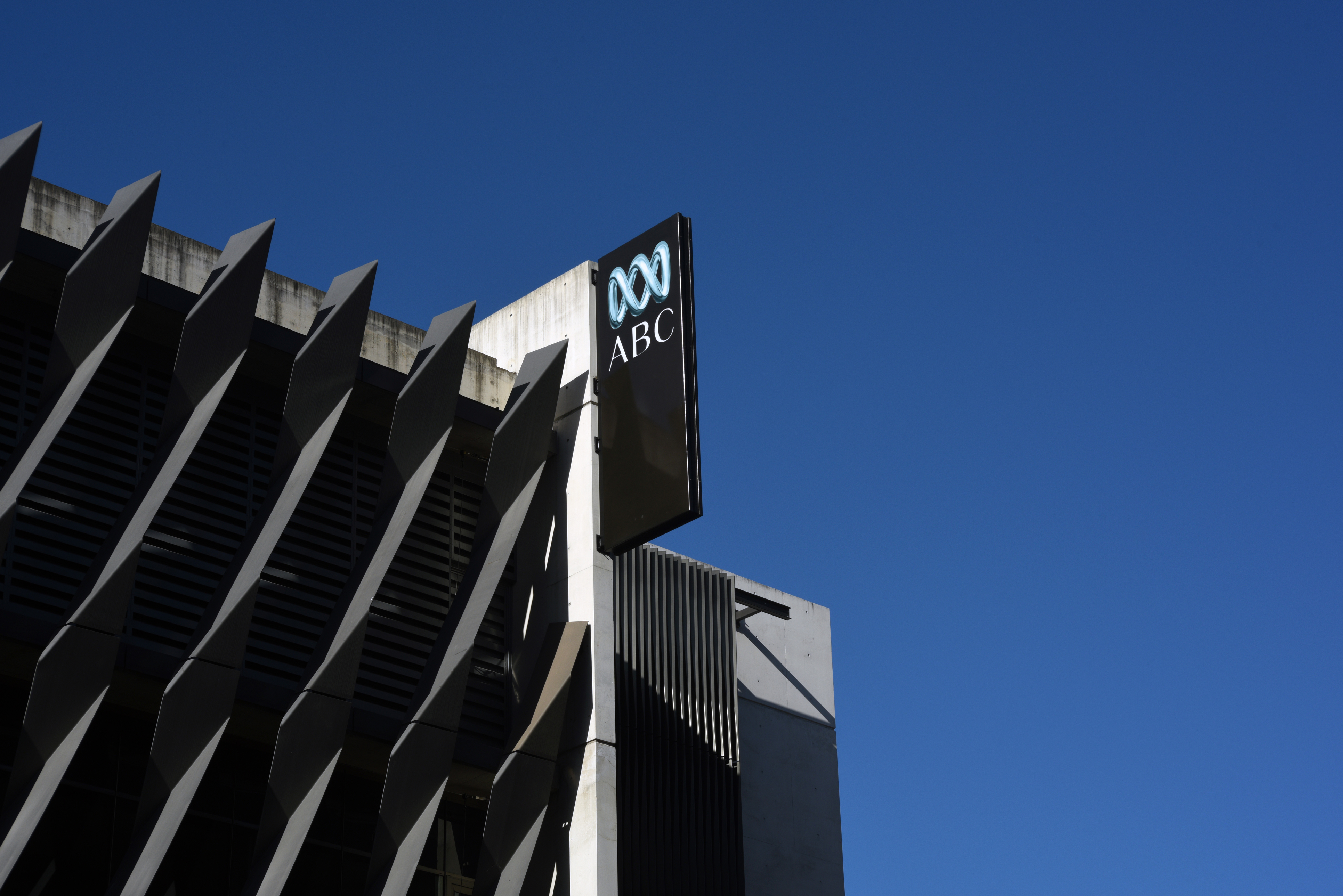
Australia: ABC defends its decision on the Latouff affair
The ABC is defending its decision to take a radio presenter off-air in a federal court, after the presenter in question, Antoinette Latouff, sued the ABC for unlawful determination.
Latouff was signed up to present on ABC Sydney for five days in December 2023, but she was abruptly stopped just three days in, after sharing a social media post from Human Rights Watch about the Israel-Gaza war. The ABC claimed she had beeninstructed not to post anything on social media during her stint at the broadcaster, but she has rejected this. In June, Australia’s Fair Work Commission found she had been unfairly dismissed, which led Latouff to file the claim with the Federal Court.
Over six days of evidence so far, the court has been hearing from both sides. The ABC was last week criticised for being “blatantly racist” by multicultural groups after iit emerged the broadcaster’s lawyers had argued that Latouff needed to prove the existence of a Lebanese, Arab, or Middle Eastern race, a position it has since amended. The ABC also argued Latouff was not sacked, because she was paid for the final two days. Lattouf has conceded that some of her social media posts “may” be considered controversial but said they were only sharing “facts”. Lattouf’s lawyers have also argued that her dismissal was driven from outside pressure, a claim the ABC rejected in court.. The hearing continues.
Czech Republic: Right-wing blocks the increase of licence fee.
The right-wing opposition parties, ANO and SPD, have obstructed the Czech government’s’ proposal to increase public media funding through higher license fees. The government had pushed for a relatively modest increase in the TV licence fee from CZK 135 (€5.40) to CZK 150 (€6) and the radio fee to grow from CZK 45 (€1.80) to CZK 55 (€2.20).
Opposition leader Andrej Babiš instead wants to abolish the current licence fee model, and replace it with direct funding from the state budget. Babiš insisted that the hikes would represent a harsh “hidden tax” on the public and further pledged to merge Česká Televize and Česká Rádioon a cost-cutting basis. However the proposed savings were estimated to be outweighed by the necessary restructuring costs.
The ANO party leaders’ plans would mirror funding shifts seen in Hungary and Slovakia, which have granted governments greater control. According to Visegrad Insight, critics have argued that this plan would risk jeopardising the public broadcasters’ editorial independence, with President Petr Pavel also commenting on the proposed move, calling it a “serious risk” and declaring that he would veto legislation similar to Slovakia’s model.
Concerns hinge on a range of historical evidence of Babiš interference with ČT, with the International Press Institute/Media Freedom Rapid Response reporting that during Babiš’ previous tenure (2017-2021), he exerted strong political influence over the broadcaster, significantly swaying the ČT council. With parliamentary elections on the horizon, and ANO leading in the polls, the issue takes on increased significance. The plans ultimately now await a deciding parliamentary vote on 12 February.

France: what about the funding reform of PSM?
Following the recent news that the public broadcasting reforms would be put forward by summer 2025, legal experts have looked into the reform of the financing of french public broadcasting.
In December 2024, the Constitutional Council validated the replacement of the TV licence fee funding model with a fraction of the VAT revenues. The aim behind this reform was to ensure a stable and sustainable funding model for the public media organisations, while preserving their editorial independence. According to legal expert Isabelle Corpart, this model remains a positive measure for households, reducing the tax burden while maintaining access to high-quality public services. Additionally, the public media organisations will be able to continue fulfilling their public service remit without any impact on the quality of the services provided.
Beyond the change of their funding model, the public broadcasting reforms also concern the creation of a holding gathering the public media organisations – France Télévisions, Radio France et France Médias Monde (FMM) and the Institut national de l’audiovisuel (INA). While some public broadcasters see the holding creation favourably, some concerns were raised over the preservation of each organisations’ identity and the working conditions of employees under such a big umbrella institution.

Tanzania: new TBC Act widens the public broadcaster’s mandate.
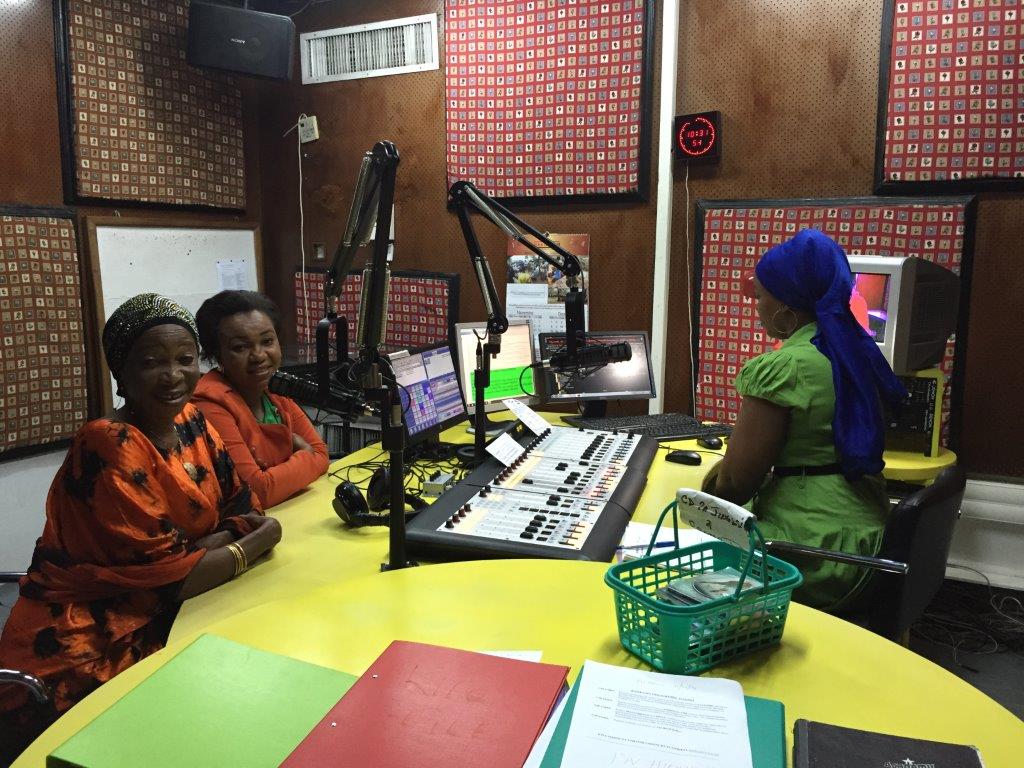
The Tanzanian parliament has passed the Tanzania Broadcasting Corporation bill, legislation aiming to widen the mandate of the public broadcaster, including in its mission to spread the Kiswahili Language in the world.
Established in 2007, the Tanzania Broadcasting Corporation (TBC) did not have specific legislation to manage its mission. In 2022, the Minister of Information, Communication and Information Technology tasked the then members of TBC’s board to draft a law relative to the public broadcaster.
As the TBC Act was presented to parliament, Minister for Information, Culture, Art and Sports, Prof Palamagamba Kabudi said that the legislation was part of an effort to enable TBC to become a global broadcasting player.
The TBC Act covers the managerial structure of the organisation as well as the appointments of its leading figures. The bill also enables the public broadcaster to diversify its source of revenues. “Through this Bill, we are now empowering TBC so that it can lead the way in preparing broadcasting content beneficial to the nation, ” said policy-maker Innocent Kalogeris.
Featured Image: Ceska Televize logo with statues on former buidling of Czech TV in Brno. Credit: Charlotte Pion
Related Posts

Restructures & reforms take hold | The PMA Briefing
Argentina’s gov't maintains oversight…

Funding cuts, and the threat of funding cuts | The PMA Briefing
While the BBC has announced new cuts at…

Reform and transformation plans at several broadcasters | The PMA Briefing
Governments in both Bangladesh and…

Public media in the eye of the politicians | The PMA Briefing
Politicians have weighed in on funding…