


Resignation, investment and the global state of state and public media | The PMA Briefing
Leadership changes at RTS, new investment for EBC’s TV 3.0 project, and modest gains for public media independence worldwide.

Reclaiming Public Media: Can Central Europe Break the Cycle?
As Hungary rebuilds public media, lessons from Poland reveal the challenge of safeguarding independence beyond electoral cycles.

Slovenia: Voters back the licence fee, but RTV Slovenija’s independence remains under threat
PMA urges Slovenia to respect the vote to keep RTV Slovenija’s licence fee, warning of further threats to its independence.

Referendums, audits & boards | The PMA Briefing
Slovenia votes on RTV funding, Thai PBS clashes with auditors, SBC reforms its board, LRT faces tensions and BBC Scotland TV channel shuts down.

Slovenia: Why removing the licence fee could greatly harm RTV Slovenija
PMA warns that replacing the licence fee with direct state funding would undermine RTV Slovenija’s independence and financial security.
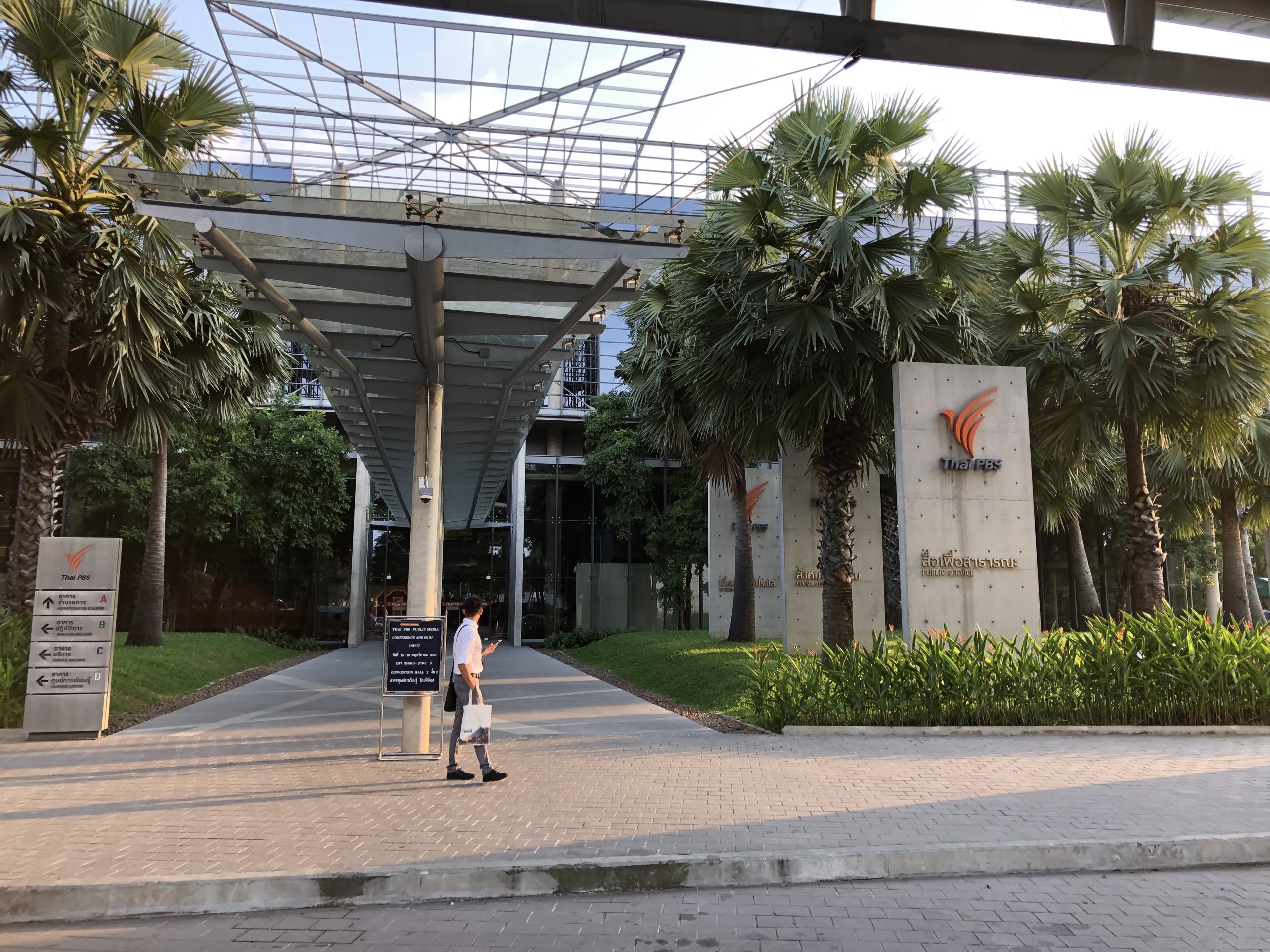
Thailand: Any change to Thai PBS funding must uphold its independence
PMA is concerned by a proposed bill that would change the broadcaster's funding model, making it dependent on the annual state budget.
Slovenia: Joint statement calling for strong safeguards for RTV Slovenija’s independence and funding
PMA joins international call for strong safeguards to protect RTV Slovenija's editorial independence and financial sustainability.

Funding pressures and state media reform | The PMA Briefing
Politicians are targeting public media funding in Taiwan and Slovenia, while Nepal eyes public media restructuring.

The mixed fortunes of Eastern Europe’s public media
Public media across Eastern Europe faced contrasting fortunes. With RSF, PMA examines funding, political pressure and independence.

The rise of the public media detractor
Public media worldwide face sceptics and detractors, but the imperative for their existence and mission has only grown stronger.