

Public Service Broadcasting in the Online TV Environment
JOURNAL
Public Service Broadcasting in the Online Television Environment: The Case for PSB VoD Players and the Role of Policy Focusing on the BBC iPlayer
Maria Michalis | International Journal of Communication
2022
In the era of online TV, this article assesses the main challenges faced by public service broadcasting (PSB). As of yet, the development of BBC iPlayer reveals that online TV has not fundamentally changed PSB, because of the interrelationship between VoD services and tv linear offerings. This article examines how PSB could be revived through personalisation and public service algorithms with the help of online TV.

Public service media in the age of SVoDs
JOURNAL
Public service media in the age of SVoDs: A comparative study of PSM strategic responses in Flanders, Italy and the UK
Alessandro D’Arma, Tim Raats and Jeanette Steemers | Media, Culture & Society Journal
2021
This paper examines the response of public service media to the expansion of streaming services like Netflix and their disruption to established national television models around the world. This paper found that the response of PSM to the disruption caused by giant stream services is due to factors including the country’s governmental support for the role of PSM, and market size. It also found that PSM responds through different strategies one of which is production collaborations.
The Public Service Approach to Recommender Systems
JOURNAL
The Public Service Approach to Recommender Systems: Filtering to Cultivate
Jockum Holden | Television & New Media Journal
2022
The use of algorithms that recommend content to their users has dramatically transformed online media consumption. PSM is catching on and have adopted these algorithms into their own systems to personalise how their online content is distributed. However, since these algorithms cater to a more commercialised recommending system, it could make them incompatible with PSM values, which is to disseminate diverse content. This study gives an in-depth knowledge of how PSM have modified these recommender systems to suit a non-commercial setting.
What are the ethical concerns behind 'recommendations'?
REPORT
What are the ethics behind ‘recommendations’?
Elliot Jones | Ada Lovelace Institute
2022
As public service media organisations now match other media platforms and content providers in offering personalised recommendations on their apps and websites, what are the ethical concerns they need to consider when building these systems? This report from the Ada Lovelace Institute examines this question. The objectives of public service media are completely different to those of private entities – where the latter use personalisation as a tool of increasing engagement and monetisation, the former must use it to serve their principles of openness, accountability, and public service. They also need to be more transparent in how the recommendation systems themselves work.
State Media Monitor: The world's state media database
WEBSITE
State Media Monitor: The world’s state media database
Center for Media, Data & Society, Marius Dragomir
2022
The CMDS has made available its global database of state-administered media organisations, with information on how they are funded, managed and editorially controlled.
“Nearly 80% of the 546 state-administered media companies in 151 countries covered by this report lack editorial independence, analysis of the State Media Matrix data shows. More than 80% of the 436 media outlets whose editorial agenda is controlled by the government in various ways are media companies that fall into our state-controlled media category comprising outlets predominantly funded, managed and editorially controlled by the government.”
Read more: The State of State Media (CMDS)

PSM Innovations
The best and latest public media innovations worldwide
PSM Innovations is a regularly updated feature, which explores the wide variety of innovations being adopted by public media globally. This includes anything from pioneering a new form of tech, or a new way of reaching unheard communities; to a bold move to protect journalists, or an experimental method of countering misinformation.
This is an opportunity to shine a spotlight on how public media organisations are pushing boundaries and developing solutions to new or existing challenges.
If your organisation is embarking on a new innovation which you think PMA would be interested to hear about and share with our members, email us at editor@publicmediaalliance.org.
Nothing found.
Over to you...
Does your public media organisation have an innovation that you’d like to share?
Let us know by emailing us at editor@publicmediaalliance.org
Header Image: Videoconferencing, Virtual Meeting. Credit: Prostock-studio / Shutterstock.com

PSM Research
PSM Research
Welcome to the PSM Research page – an online hub of academic blogs, articles and insights.
Here you will find a broad selection of recommended journals, reports, websites and guides related to the core values of public service media, as well as specially-commissioned Research Insights written by leading researchers and academics on a chosen subject. This page is produced in collaboration with IAPMR and MJRC.
About
This page is a live resource, bringing together the most recent academic research either about, or of relevance to, public service media. Topics include best practices, country reports and the mounting challenges faced by PSM worldwide such as media capture, diminishing budgets and media convergence.
The resources below have been curated by the Public Media Alliance in collaboration with the International Association of Public Media Researchers (IAPMR) and the Media and Journalism Research Center (MJRC). You can find out more about our collaborators at the bottom of the page.
Research Insights
A collection of articles written by leading researchers & academics from around the world, especially commissioned for PMA and IAPMR.
Nothing found.
The State of Public Service Media Worldwide
Every year, the Media and Journalism Research Center releases the 'State Media Monitor' – the flagship study assessing the editorial, financial and governance independence of state-administered media companies across the world.

Sign up to our newsletters
Promote, support and advocate for public service media
Recent publications from PMA
Latest Research
Use the headers below to filter resources
Most of the following resources are open-source but some contain links to articles that require an institutional log-in to view. Please refer to your University, institution or employer if this is the case.
Our Partners
We are pleased to partner with the IAPMR and MJRC for this resource
IAPMR
The International Association of Public Media Researchers (IAPMR) brings together quality academic and industrial research from different disciplines. We support the continual evolution of public service media by aggregating theory and practice. We look critically from industrial, production, audience, technological, economic and societal perspectives. We run conferences, produce publications and communicate knowledge to academia, industry, governments, and publics.
MJRC
The Media and Journalism Research Center is an independent media research and policy think tank that seeks to improve the quality of media policymaking and the state of independent media and journalism through research, knowledge sharing and financial support. MJRC continues the work of the Center for Media, Data & Society (CMDS), which until October 2022 operated as a unit of Central European University (CEU).
Header Image: Students Experimenting With Video Software stock photo. Credit: TommL/iStock


Research News
The latest calls for papers and news regarding public service media and communications research.
Call for papers are placed in order of upcoming deadlines. Conference dates can also be found in our events section.
Research funds and other opportunities can also be found via our Grants & Opportunities page.

Call for Papers: Future of Journalism Conference 2017
The sixth biennial Future of Journalism Conference will be held at Cardiff University in September 2017.
Eurobarometer: Media pluralism and democracy
This must read barometer was launched ahead of the 2016 Colloquium on Fundamental Rights by the European Commission.
Finding the funds for journalism to thrive
POLICY BRIEF
Finding the funds for journalism to thrive
Policy options to support media viability
UNESCO | Dr. Anya Schiffrin, Prof. Emily Bell, Dr. Julie Posetti & Francesca Edgerton
Published: 2022
“This brief comes as part of the UNESCO series World Trends in Freedom of Expression and Media Development. The brief addresses how policymakers can best respond to the severe financial crisis threatening the supply of independent journalism. It provides a typology of global responses, assesses their pros and cons, and makes 22 actionable recommendations. It builds on the Windhoek+30 Declaration, which underlines media viability as a core principle of information as a public good.”
[Text sourced from UNESCO]
Our Publications
Our Publications
Welcome to Our Publications page, the home of PMA’s in-depth research and reports.
The Public Media Alliance commissions and produces original research on topics such as AI and Indigenous public media, as well as also providing industry reports and general resources for public media, like toolkits and codes of conduct.
About
The Public Media Alliance has an established role and reputation in commissioning original research and reports on key themes and stakeholders in public service media.
Here you will find a range of publications, including those produced during our time as the Commonwealth Broadcasting Association. They are all authored by an expert group of media professionals and academics, and cover a diverse range of topics, from the role of documentaries in advocacy to the way in which broadcasters cover elections.
True to the principles of public service media, the following content is free to download.
Publications
Use the tabs to explore our different publications
PSM & AI
Two industry reports published as part of a wider academic research project, which was co-designed with the Public Media Alliance to inform collective discussions about PSM and AI, and was funded by the UK’s Arts and Humanities research Council, as part of the Bridging Responsible AI Divides (BRAID) scheme.
The reports were authored by Professor Kate Wright, Professor of Media and Communication at the University of Edinburgh, and co-authored by Kristian Porter, the CEO of the Public Media Alliance.

Part 1: Mapping how public service media use AI in journalism
July 2025
This first of two industry reports looking at how public media use AI, based off technical surveys, organisational documents, and interviews with senior managers at thirteen public service media (PSM) organisations with varying levels of income in Africa, Asia, the Caribbean, Europe and Oceania.
What AI tools do public service media around the world use in journalism production? How do they use them? And where do these news organisations find alignment in deciding on their use?
The report maps current use of AI in journalism production at public media organisations: exploring which AI tools PSM use, how they use them, and how senior managers frame and justify their use in relation to PSM values.

Part 2: Governance, Geopolitics and Procurement
November 2025
This second of two industry reports looking at how public media procure AI, the governance systems in place facilitating the decisions around which which commercial AI to use, and what factors are considered in those decisions.
The second report examines the challenges faced by PSM in trying to procure AI ‘responsibly’, and how the procurement and use of AI is embedded in governance structures.
13 public media organisations of varying incomes from five continents were included in the interviews and data collection, which took place throughout 2024 and 2025.

Working Together | Examining public service media collaboration in local news ecologies: A global perspective
September 2025
A report from Deakin University exploring different types of collaboration between public service media and local news media.
This report comprises one of the first studies to systematically examine how PSM – notably those within the Public Media Alliance – are collaborating with other news providers to strengthen local journalism.
The study draws on survey data, document analysis and interviews with PSM representatives in the UK, Canada, Japan, Australia, New Zealand, Norway, Sweden, Slovenia, Switzerland and the United States. It documents a range of initiatives, evaluates the strengths and weaknesses of current arrangements from the perspectives of PSM stakeholders, and identifies important considerations for future collaborations or partnerships.
This international comparative study feeds directly into the broader ARC research project – the Australian Local News Resilience Project (ALNRP) – which aims to build an evidence-based model for strategic collaboration between the ABC and local news producers in Australia. The international case studies in this report offer valuable insights into what makes a collaboration effective (or not) – providing important comparisons and transferable lessons that can help shape more solutions-oriented policy and practice in Australia.
This report is part of a three-year Australian Research Council (ARC) Linkage study, the Australian Local News Resilience Project (ALNRP), led by Deakin University, with the support of Griffith University and in partnership with Australia’s leading public service media, the Australian Broadcasting Corporation. The Public Media Alliance provided further support.

How public service media are reaching and reflecting Indigenous audiences
October 2024
Briefing document commissioned by CBC/Radio-Canada prepared ahead of the “Amplifying Indigenous stories in Public Media” one-day event, held as part of the Public Broadcasters International conference.
Around the world, national public service broadcasters are reflecting on the way they work with and serve Indigenous communities and audiences. They are marking nearly a century of work that has celebrated and preserved cultures; but they’re also grappling with sometimes troubling legacies and plotting how they move to a more equitable future that empowers Indigenous storytelling and journalism.
In this report, PMA spoke to more than a dozen people from national and Indigenous broadcasters in eight countries and territories, to understand how they’re serving Indigenous Peoples in both their content and organisations, how they are working with communities, and what the opportunities and challenges of the 2020s pose for how public service media properly reflect Indigenous communities.
ANNEX: Country Profiles
October 2024
To accompany the report, the Public Media Alliance has also designed an ANNEX, providing context and background for the countries represented in the report, their media profile, and the specific public media organisations that were interviewed.
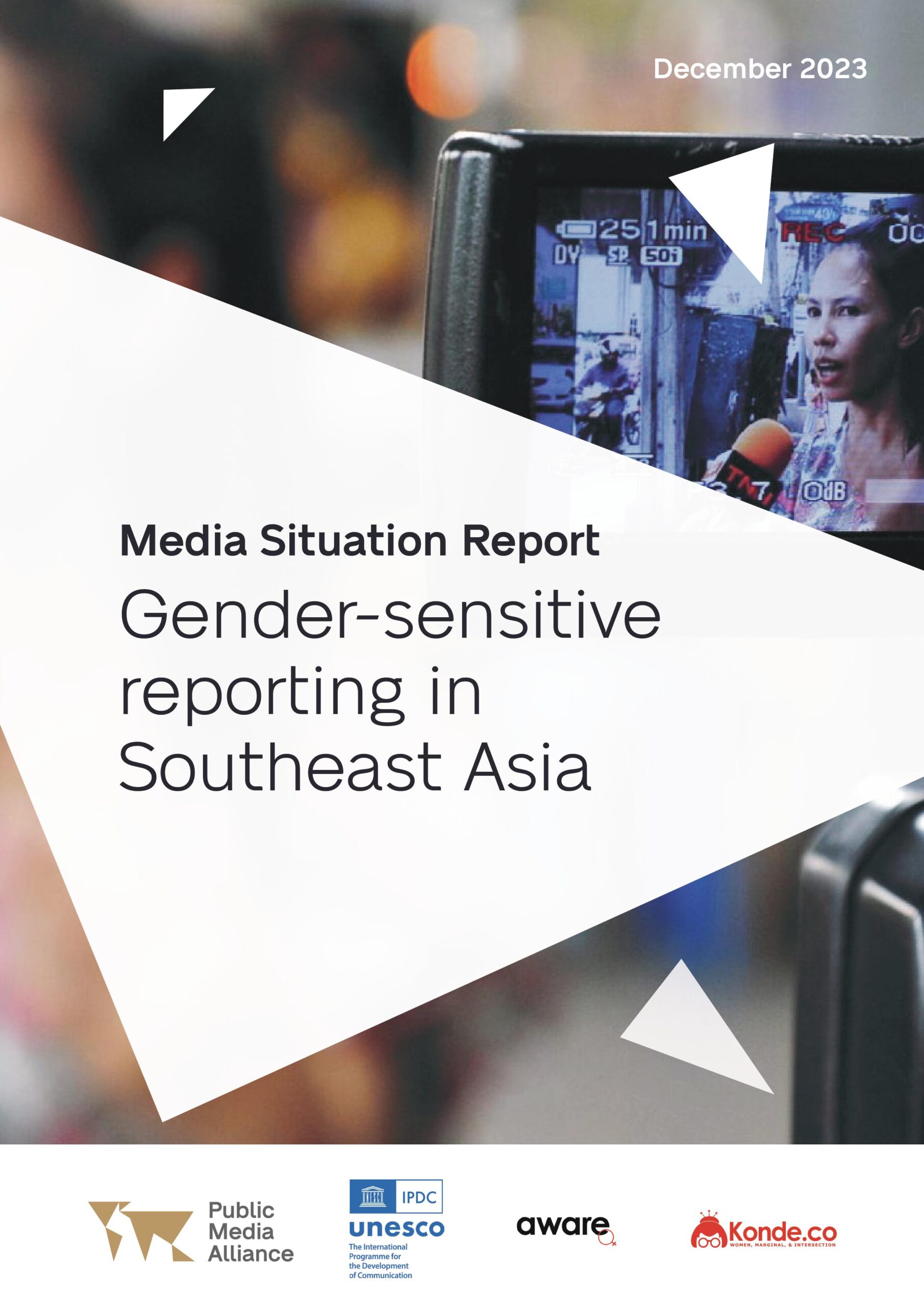
Situation Report: Gender-sensitive reporting in Southeast Asia
2023
The Public Media Alliance’s latest situation report — this time for Southeast Asia — will guide tailored interventions for each target country, catalysing regional collaboration and aligning regional efforts with broader international goals.*
The media situation report covers five Southeast Asian countries – Indonesia, Malaysia, the Philippines, Singapore, and Thailand – and forms part of the efforts to better understand just how the media can both support and undertake initiatives that improve gender representation and alleviate violence against women and girls, and violence against women journalists.
The report provides a snapshot of the current situation facing the Southeast Asian media on gender issues and considers how the media can do better. In each country, research was undertaken over a period of six months. Separately, a survey was conducted with regional journalists to determine gaps that exist within newsrooms to more effectively handle gender-related issues.
Key findings include:
- The interconnectivity of the issues: While each country presented unique challenges – from poor adherence and existing policies to politically motivated attacks on journalists – there were significant overlaps between the issues.
- The need for collaboration: Each researcher determined that collaboration among stakeholders was paramount for success, especially regarding the intricate interplay of media and gender issues.
- The need for further research: Researchers noted that extensive and comprehensive research and data on gender representation in the media, violence against women and girls and female journalists, is lacking in the Southeast Asian context.
- The need for wider social change: The researchers noted that achieving meaningful progress requires wider social change across the five countries.
The media situation report forms part of a wider project spearheaded by the Public Media Alliance with support from the UNESCO Bangkok Office and UNESCO’s International Programme for the Development of Communication (IPDC), and saw partnerships with AWARE Singapore, Konde.co, and the Foreign Correspondents’ Club of Thailand.
Download the situation report:
* – Page 29 updated 16 January 2024
Situation Report: Media literacy, disinformation & misinformation in the Caribbean
2022
The Public Media Alliance’s latest situation report has called for a programme of media and information literacy across all levels of the school curriculum, to counter the threat of mis- and disinformation in the Caribbean.
The “Situation Report on Media Literacy, Disinformation & Misinformation in the Caribbean” covers eight Caribbean nations – the Bahamas, Barbados, Grenada, Guyana, Jamaica, St. Vincent & the Grenadines, Suriname, and Trinidad & Tobago – and examines each country’s relationship with media and information literacy, disinformation, and trust in news. In each country, research was undertaken over a period of five months. Separately, research was conducted by ACM to determine the feasibility of a regional trusted news network.
It was produced in partnership with the Association of Caribbean Media Workers (ACM) and the Media Institute of the Caribbean (MIC), and with support from the UNESCO Cluster Office for the Caribbean and UNESCO’s International Programme for the Development of Communication (IPDC).
Key findings from the report:
- Unique challenges: No two country was exactly the same and the report highlights the unique challenges of each researched country, as well as the similarities across borders.
- The need for more regional research: Notably, the situation report emphasises that more analysis is needed across the region to tackle disinformation, media literacy, and trust in news media.
- Barriers remain: Barriers remain to achieving media literacy, particularly legislatively. Newsrooms are strapped for resources in an economically difficult environment (further exacerbated by the repercussions of the pandemic) and are working in highly competitive landscapes with pressure to report news before competitors.
- Opportunities abound: Importantly, the report also demonstrates achievable opportunities for regional media organisations and governments.
This research report is part of a wider project implemented by the PMA and our regional partners, MIC and ACM. It is supported by the UNESCO Cluster Office for the Caribbean and UNESCO’s International Programme for the Development of Communication (IPDC). Read more about the project here.
Download the situation report:
Impact of COVID-19 on media freedom, journalist safety and media viability in Southeast Asia
2022
The Public Media Alliance’s new research report gives a timely insight into the key impacts of the COVID-19 pandemic on the media across nine countries in Southeast Asia. Its accompanying draft Media Recovery Plan responds to the key challenges.
The report illustrates the strain news organisations have been under in recent years. For example, they have been forced to accelerate their move to providing more extensive digital services due to various lockdown restrictions; financial pressures imposed by the pandemic have occurred against a backdrop of broader threats to media freedom and the safety of journalists; and several laws purporting to combat the spread of disinformation and misinformation were introduced across the region.
The draft Media Recovery Plan concentrates on the key areas to be addressed in order to create a sustainable media environment, one which enables the media and journalists to work independently and collaboratively during a time of crisis such as COVID-19.
Recommendations include:
- Building strong partnerships between media organisations to produce high quality and cost-effective content
- Establishing a regional (non-governmental) forum to cover welfare, safety, and the freedom of journalists
- Strengthening coordination and communication between states (with respect to media)
- Supporting improved digital media literacy
- Analysing the impact of digitalisation, especially the impact of social media
This important and timely project was organised by the Public Media Alliance, in collaboration with our local partner, the Asia Democracy Network (ADN), and with support from the UNESCO Bangkok Office and the rapid response mechanism of the International Programme for the Development of Communications (IPDC). We extend our gratitude to our project facilitators, Laxman Datt Pant, Chairperson of Media Action Nepal, and Tess Bacalla, Project Lead and Editor in Chief of the Asia Democracy Chronicles. Special thanks are also extended to our research contributors.
Download the Research Report:
Download the draft Media Recovery Plan:

DG8 Briefing | Managing Platform Power: The future of public media and international news
October 2024
High-level report commissioned by the Australian Broadcasting Corporation (ABC) on behalf of the DG8.
This confidential report explores DG8 members’ use of third-party platforms for international newsgathering and production, distribution, and audience engagement, their strategic purpose and their future options.
It analyses the different contexts for platform publishing, and the scale and scope of dependence on these services. Importantly, it documents the challenges DG8 members are facing, such as discoverability and news blocking, how they are dealing with those issues and how they might better tackle them.
The DG8 is an informal umbrella group of publicly funded international public media organisations from democratic countries. It currently has eight members: ABC International, BBC World Service, Deutsche Welle, France Médias Monde, NHK World-Japan, CBC/Radio-Canada, Swissinfo.ch, and the U.S. Agency for Global Media.
DG8 Briefing: Cooperation in a time of crisis
October 2023
High-level report commissioned by CBC/Radio-Canada on behalf of the DG8.
This confidential report for the DG8 provides an overview of the geopolitical, technological, and domestic challenges—and opportunities—that DG8 members face, outlines how the DG8 might evolve in future. It is based on desk research and interviews with leaders from each DG8 member.
The DG8 is an informal umbrella group of publicly funded international public media organisations from democratic countries. It currently has eight members: ABC International, BBC World Service, Deutsche Welle, France Médias Monde, NHK World-Japan, CBC/Radio-Canada, Swissinfo.ch, and the U.S. Agency for Global Media.
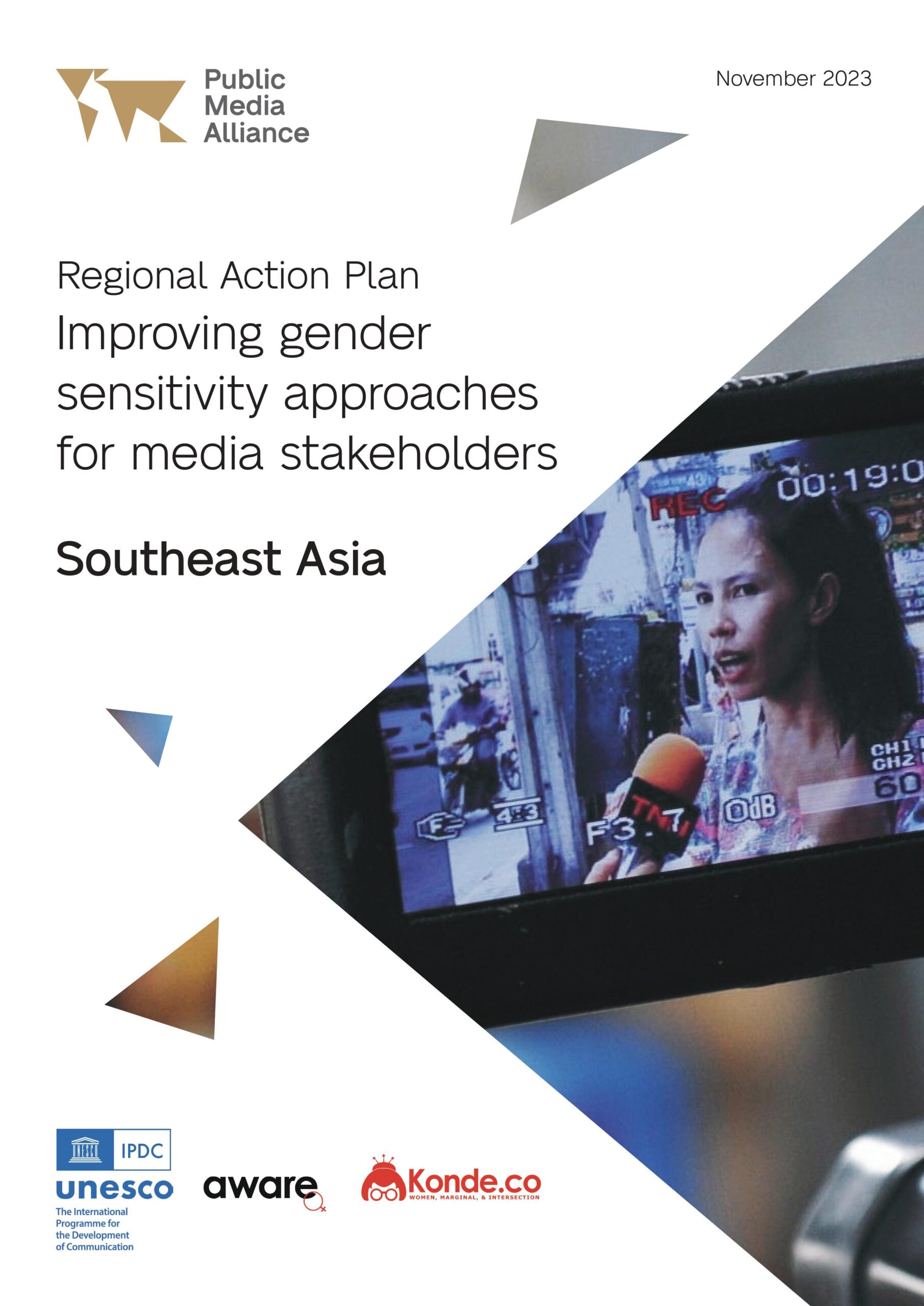
Action Plan: Improving gender-sensitivity approaches for Southeast Asian media stakeholders
2023
In October 2023, 20 media workers and representatives from gender-focused non-governmental organisations (NGOs) from five Southeast Asian countries attended a two-day workshop in Bangkok, Thailand to develop country-specific action plans that would contribute towards more effective and gender-sensitive reporting.
The Public Media Alliance’s new action plans outline approaches that foster collaboration and address common challenges related to gender-sensitive reporting, women’s safety, and responsible media practices across the diverse media landscapes of Southeast Asia. The plans offer collective initiatives for media workers, NGOs, policymakers, religious institutions, and the broader public to undertake in Indonesia, Malaysia, Singapore, Thailand, and the Philippines.
Among the common action points highlighted in the plans are:
- The need to build engagement and collaborations
- Advocacy for gender-responsive policies and guidelines
- The need to establish data collection and reporting systems
- The importance of intersectional approaches to gender issues
- The implementation of newsroom safety protocols and support for women journalists
The plans have been translated into Indonesian, Malay, Filipino, Mandarin, Tamil, and Thai. An English version encompassing all countries is also available.
The action plans form part of a wider project spearheaded by the Public Media Alliance with support from the UNESCO Bangkok Office and UNESCO’s International Programme for the Development of Communication (IPDC), and in partnership with AWARE Singapore, Konde.co, and the Foreign Correspondents’ Club of Thailand. Special thanks go to our workshop participants who contributed towards the development of the action plans, and our project facilitator Dagmar Skopalik.
Download the Regional Action Plan:
Download the Country-Specific Action Plans:
Investigative Journalism in the Digital Age
2023
The Public Media Alliance is pleased to announce the latest publication from our Investigation Journalism in the Digital Age project. This project looked to ensure that broadcast journalists in Sub-Saharan Africa stay abreast of the latest technological-driven investigative techniques, including different approaches to accessing information.
A two-day capacity-building workshop – Investigative Journalism in Sub-Saharan Africa – was held in Windhoek, Namibia in June 2023. 19 journalists attended from South Africa, Botswana, Nigeria, Seychelles, Namibia, and Mozambique. The curriculum included freedom of information, investigating the environment, information security, interview skills, and personal security.
From this workshop Public Media Alliance launched a new and openly accessible digital investigative journalism toolkit and an online safety checklist to bolster investigative journalism in sub-Saharan Africa.
Digital Investigative Toolkit modules:
- Part 1: Developing your Investigative Stories; Introduction to investigative journalism and its difference from other forms of journalism, How to lay the groundwork for an investigative story; how to choose story ideas; develop and utilise contacts and sources, How to keep yourself and your sources protected (whether it is digitally, physically, or legally)
- Part 2: Evidence Gathering and Verification; Introduction to evidence gathering and verification, Dive into methods, such as open-source research techniques and social media research techniques and verification, Storytelling with digital evidence and sources
Online Safety Checklist:
- This ten-point checklist highlights key tips for journalists undertaking digital approaches to investigative journalism. This checklist is not suitable guidance for working in war zones. Reporting in areas of armed conflict requires a different kind of specialist training, contacts, and vigilance
This important and timely project was organised by the Public Media Alliance, in collaboration with our local partner, the Namibia University of Science and Technology (NUST) and fesmedia Africa made possible by our funder Grace Wyndham Goldie (BBC) Trust Fund. We extend our gratitude to our project facilitators, Emily-May Brown and Rob Freeman and toolkit developer Guy Porter. Special thanks are also extended to our attendees and key speakers.
Access the online toolkit and download the checklist:
Action Plan: Combatting misinformation and disinformation for Caribbean media workers
2022
The Public Media Alliance is pleased to release our latest publication: an eight-point action plan geared at supporting the Caribbean media landscape in their promotion of media and information literacy and their fight against disinformation.
This eight-point action plan charts the course for more robust efforts to tackle both misinformation and disinformation while committing to media literacy for all, with the goal of rebuilding trust in news media.
It is part of a wider project spearheaded by the Public Media Alliance, titled “Developing a Situation Report & Action Plan on Media and Information Literacy and Disinformation in the Caribbean”.
The plan incorporates key points raised by regional media stakeholders as part of PMA’s research and feedback. The plan not only benefited from consultations from both media professionals and media owners/managers, but also from months-long research conducted in several Caribbean territories. Key points include:
- The need for strengthened and increased collaboration among regional journalists, media associations, and media houses.
- The importance of launching a public awareness campaign aimed at empowering audiences on how to spot mis- and disinformation.
- A commitment to train and develop the region’s journalists.
The project and this resulting action plan were organised by the Public Media Alliance with support from UNESCO Cluster Office for the Caribbean and UNESCO’s International Programme for the Development of Communications and were developed in partnership with the Association of Caribbean Media Workers (ACM) and the Media Institute of the Caribbean (MIC). We extend our thanks to our project facilitators, Ms. Kiran Maharaj of MIC and Ms. Nazima Raghubir of ACM, for their invaluable support and input and for overseeing key project elements. Special thanks are also extended to our workshop trainers and participants.
Download eight-point action plan:
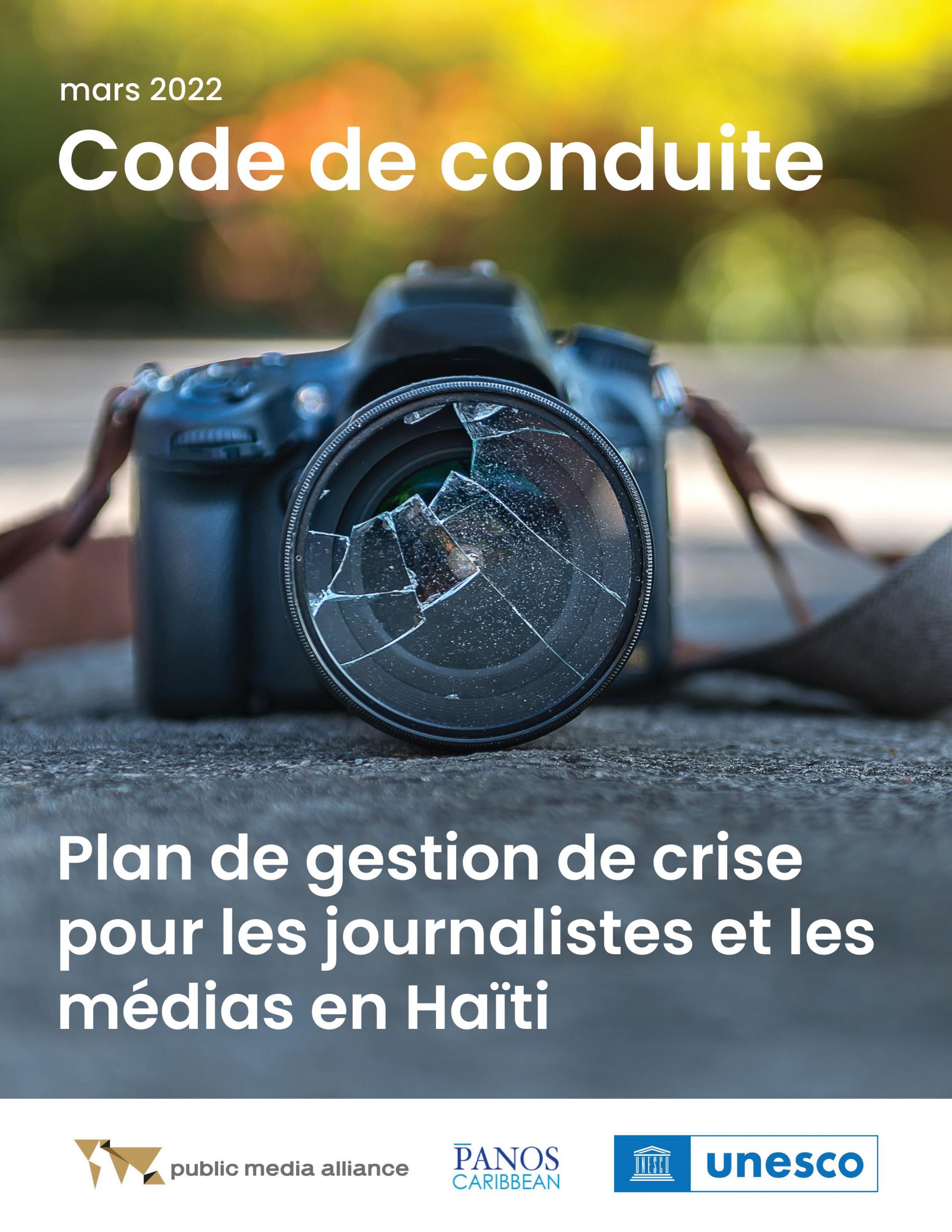
Code of Conduct: Crisis Management Plan for Journalists and Media in Haiti
2022
The Public Media Alliance is pleased to release our latest code of conduct, this time aimed at media professionals in Haiti.
As part of our project, “Protecting journalists in Haiti and confronting dis- and misinformation during a pandemic”, the Public Media Alliance has developed a French-language crisis management code of conduct for Haitian media professionals to better enable them to report ethically and responsibly on crises and disasters, while ensuring their own safety.
This code was developed using feedback from 30 journalists and media stakeholders in Haiti who participated in virtual training sessions in March 2022 as part of our project.
The code of conduct on crisis management covers:
- Holding power to account through ethical journalism
- Ensuring the safety of journalists in times of crisis
- Countering disinformation through ethical practices, quality journalism, and the promotion of media literacy
The project and this resulting code of conduct were organised by the Public Media Alliance with the support of our local partner Panos Caribbean, the UNESCO Haiti Office, and the Rapid Response Mechanism of the International Program for the Development of Communications (IPDC). We extend our thanks to Mr. Jean Claude Louis, Coordinator of Panos Caribbean, for his invaluable input and support throughout this project. Special thanks are also extended to our workshop trainers and participants and other local organisations who contributed to additional project elements.
Download Code of Conduct:
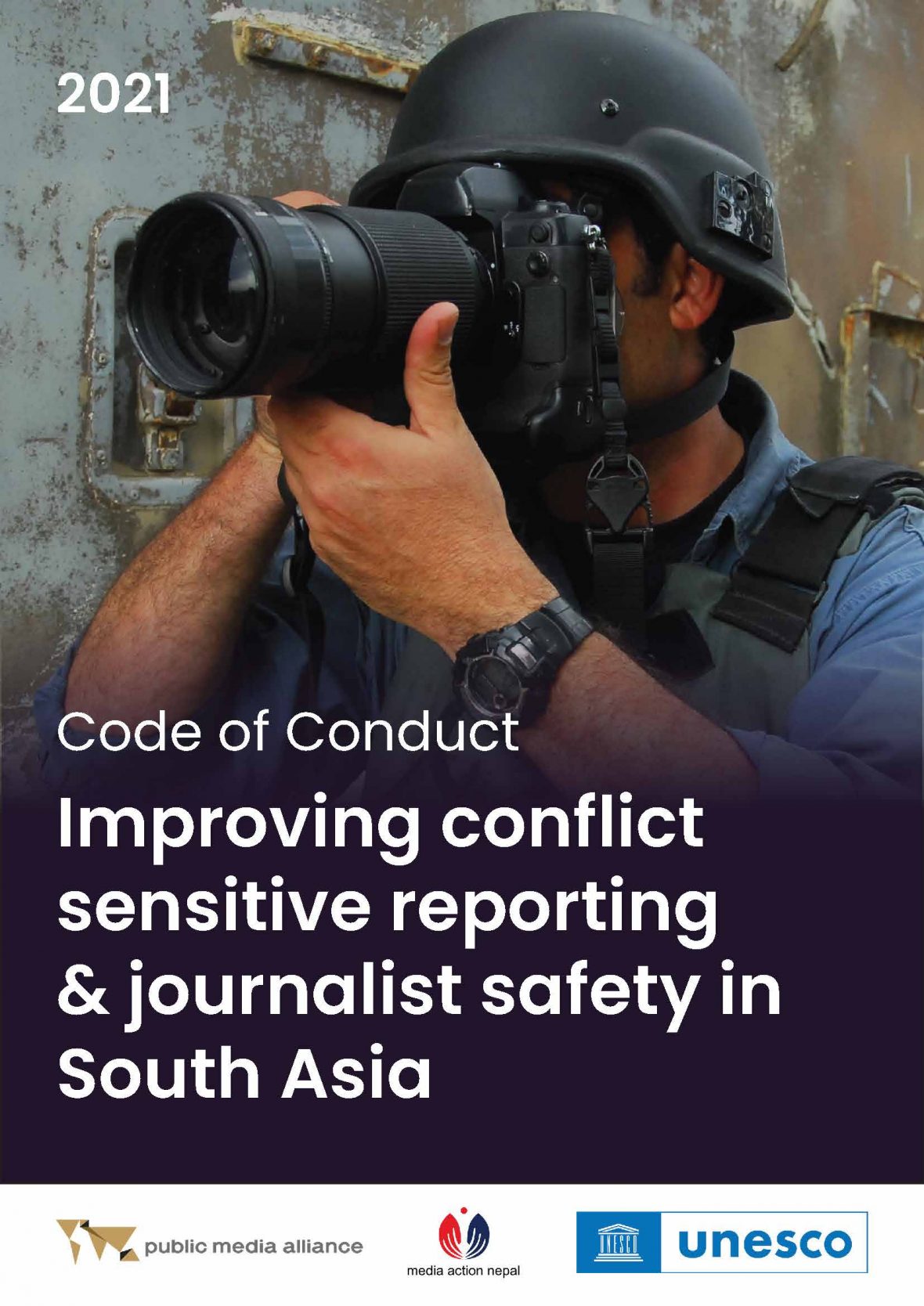
Code of Conduct: Improving conflict sensitive reporting & journalist safety in South Asia
2021
In September 2021, 30 journalists from Bangladesh, India, Nepal, and Sri Lanka gathered virtually to strengthen the capacity of the South Asian media environment in terms of conflict sensitive reporting, journalist safety, and self-regulation.
The participants – from journalists to academics and editors – worked collaboratively to develop a regionally relevant Code of Conduct that will act as a strategy document to advise journalists and media workers across the region on how they can cover pertinent areas in an informed, fair, and safe manner.
Among the areas covered by the Code of Conduct are:
- Minimising risks to communal harmony through an intersectional and impartial journalism
- Human rights and gendered approaches to reporting
- Confidentiality of reliable sources
- Recommendations for further improvements
This important and timely project was organised by the Public Media Alliance, with support from our local partner Media Action Nepal, the UNESCO New Delhi Office, and the UNESCO International Programme for the Development of Communication (IPDC). We extend our thanks to our workshop facilitators, Mr. Laxman Datt Pant, Chairperson of Media Action Nepal, and Dr. Sadia Jamil, UAE Country Representative of the Asian Media Information and Communication Centre. Special thanks are also extended to our South Asian fellows and media stakeholders from Bangladesh, India, Nepal, and Sri Lanka.
Download Code of Conduct:

BBC Royal Charter Review: Public consultation response
March 2026
The Public Media Alliance sent this document to the Department of Culture, Media and Sport during the consultation period on the Green Paper for the BBC’s next charter period.
The report is split into two documents. The first is the Public Media Alliance’s response to the Green Paper, which is the government’s terms of reference for the charter renewal process. In this document, PMA outlines four key areas of reform for the BBC: funding, governance, on critical infrastructure, and on accountability. The second document is a collective of testimonies from global public media organisations, outlining how they regard the BBC, and its value to the global media market. This document highlights to stakeholders why decisions made by the UK government have implications beyond the UK.
Download the submission:
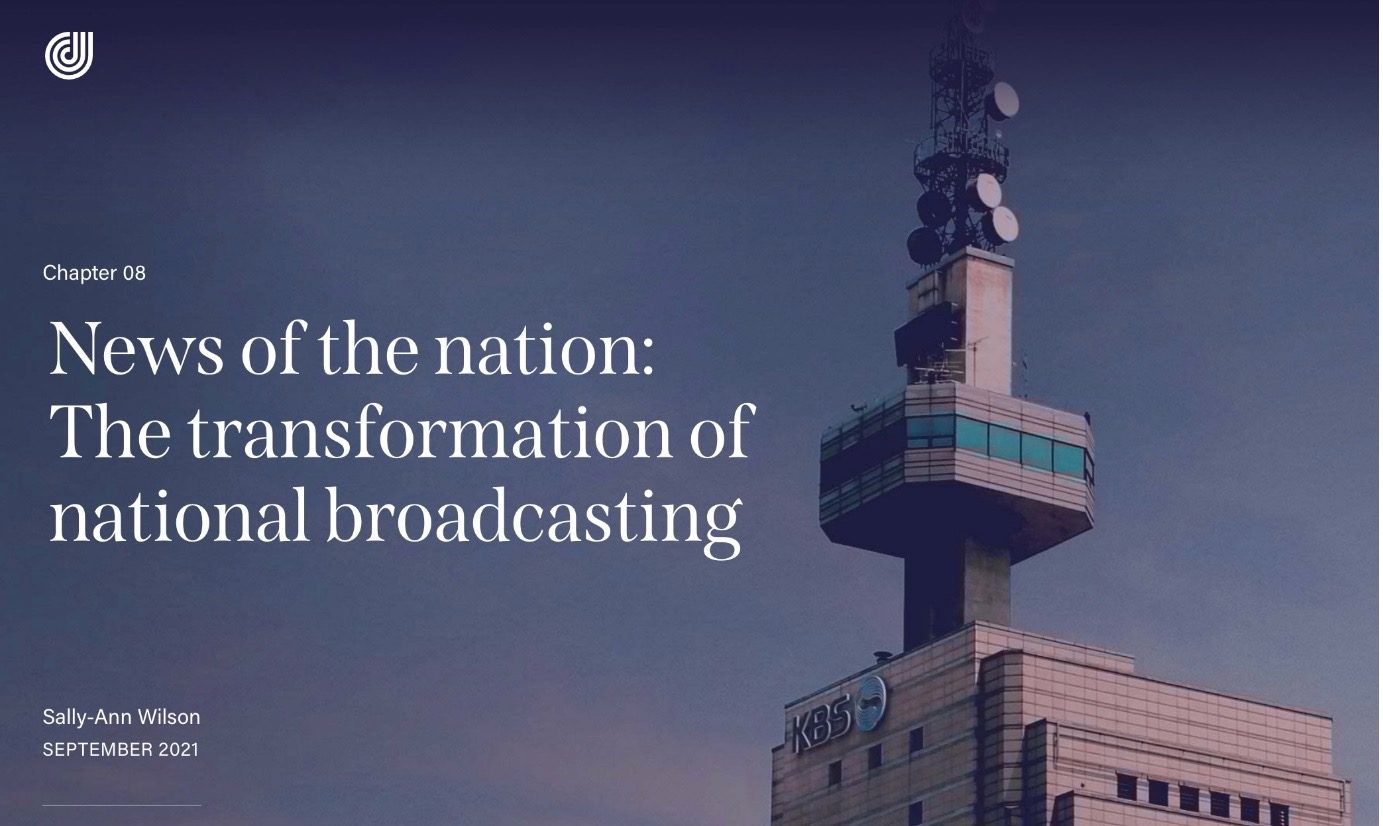
News in Asia
2021
Understanding news media in the world’s most important region
In September 2021, the Judith Neilson Institute published its ‘News in Asia’ report, bringing together experts and institutions to provide a nuanced account of journalism across the continent. The report comprehensively covers a broad range of topics, from changing news production and consumption to the impact of COVID-19 on the news media landscape and media development.
The Public Media Alliance is proud to have also contributed to this important and timely project. In our chapter, News of the nation: The transformation of national broadcasting, we explore the changing role of national broadcasters in Asia with a slide towards greater state control, and how remaining public service media are being redefined and normalised as a form of national broadcasting with less editorial independence.
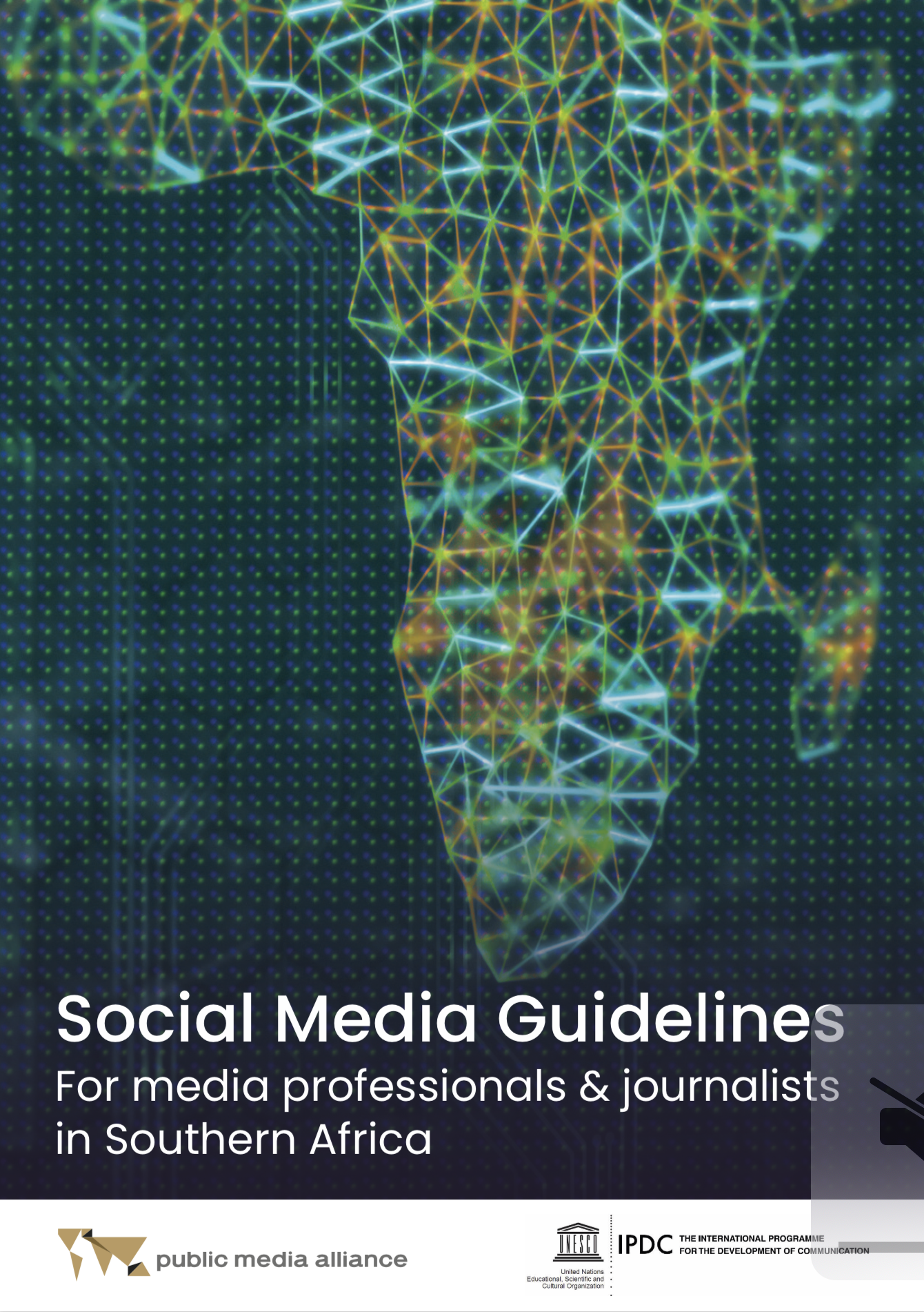
Social Media Guidelines | For media professionals & journalists in Southern Africa
2019
In June 2019, twenty-four journalists and media makers from the Southern African region (Botswana, Lesotho, Mozambique, Namibia, Seychelles, South Africa and Zimbabwe) gathered in Windhoek, Namibia, to strengthen the capacity of media in their region by creating and adopting a clear plan on the use of social media in news and broadcasting.
They worked collaboratively to develop these detailed, regionally relevant guidelines on aspects of social media coverage that they could use within their organisations. These guidelines were also produced to strengthen the role of the media in Southern Africa and promote the positive use of social media within newsrooms and media organisations.
These guidelines:
- Cover activities on a media organisation’s social media sites and external sites by journalists and employees of the organisation.
- Exist to ensure that your social media output is as good as it can be and does not do anyone any harm.
- Serve to protect employees as well as the organisations they work for to facilitate responsible journalism.
This important project and guidelines was run by the Public Media Alliance with support and funding from UNESCO’s International Programme for the Development of Communication (IPDC), UNESCO Harare and UNESCO Namibia. Our thanks to the workshop trainers Emily-May Brown, Senior Lecturer at the Namibia University of Science and Technology (NUST) and Robert Freeman, trainer in social media and digital journalism at the BBC College of Journalism.
Guidelines | Reporting Hate Speech, Terrorism & Violence in South East Asia
2019
In March 2019, a group of journalists, media managers and press regulators from five countries in the Asia-Pacific region [Indonesia, Thailand, Timor-Leste, Philippines and Malaysia] met in Kuala Lumpur.
They came together to collaboratively develop a set of guidelines to assist journalists covering hate speech, acts of violence and terrorism across the region. In doing so
Each set of guidelines begins by defining ‘hate speech’, ‘acts of violence’ and ‘terrorism’ respectively. It is important to establish such definitions before developing guidelines on how journalists and media professionals should respond to such situations.
These guidelines are divided into three sections, as there are specific considerations for each scenario, although some of the key principles are applicable in all three situations.
In interpreting these guidelines, consideration must be given to context, editorial justification, freedom of expression, public interest and the capacity of media.
This Action Plan workshop was organised by the Public Media Alliance (PMA) in collaboration with the Ethical Journalism Network (EJN) and with the support of the UNESCO’s International Programme for the Development of Communication prorgamme.
Funding Public Media
2019
“In a rapidly changing global media landscape there is growing uncertainty regarding the sustainability of income and funding levels for Public Service Broadcasters and Public Service Media”
These are the timely words written by the Public Media Alliance’s Finance Manager, Mervyn Warner, as many public media organisations seek to find new funding models in an attempt to future proof their financial sustainability. This is also the basis for Mervyn’s latest report, which offers vital insight into current funding models, the risks associated with them, and their potential for the future.
The original BBC model of a direct licence fee, payable by anyone owning and using specific broadcast receiving equipment, is transparent and demands accountability. This direct link between the public and the public media organisation has often been seen as fundamental to the ethos of PSM. But we need to ask if it is still fit for purpose at a time when people are increasingly interacting with public media via multiple platforms and devices.
Public media has evolved considerably worldwide as a response to different national contexts. The way that it is funded has also been adapted and changed. But despite the differences in funding and governance models, PMA is working to highlight and advocate for the shared values of public media. At a time when trust in the media is at an all-time low, these common values need promoting. They underpin democracy and are fundamental to rebuilding public confidence and trust.
To survive and thrive, public media needs secure and stable funding. In an increasingly crowded digital media space, public media needs to change to maintain political and public funding support. It is perhaps time to engage in a critical debate about what is essential and realistic in terms of funding for public media.
This Insight report draws upon Mervyn’s years of experience in media finance and offers a useful reference point for public media organisations to reflect on their current funding models and develop ideas to secure their long term sustainability.
Raw data used in this report can be found via the links below (PDF):
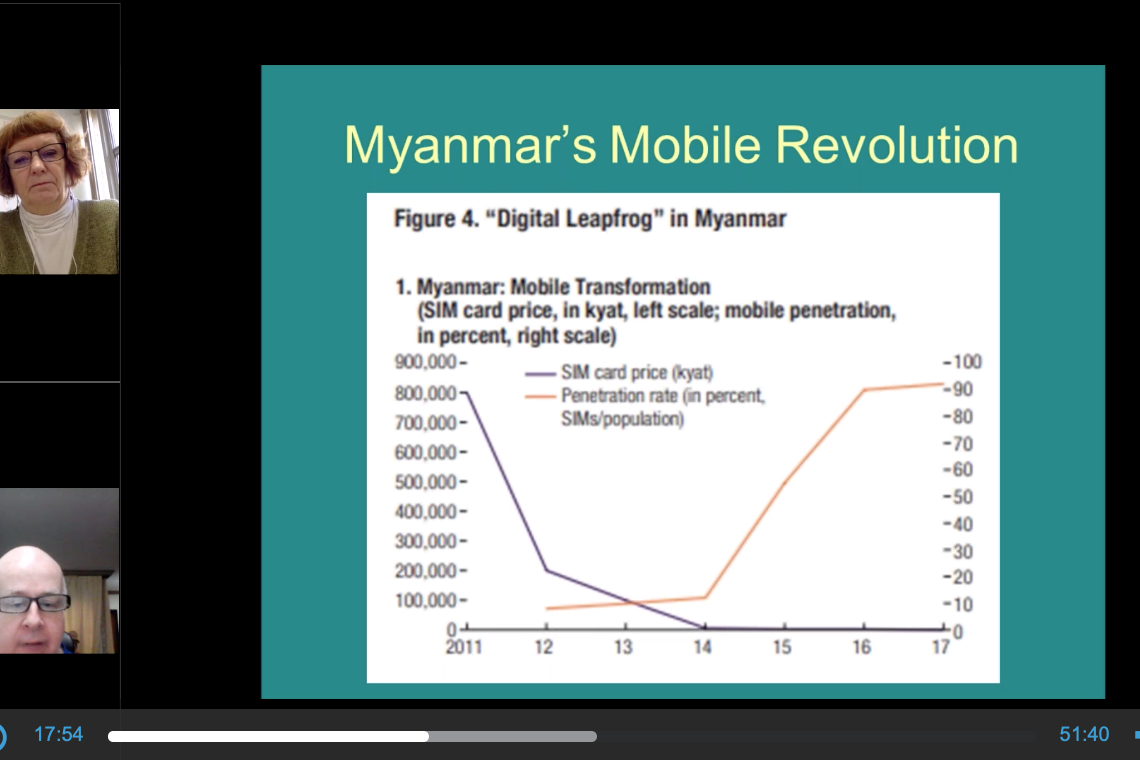
Webinar | Developing guidelines & codes of conduct to report hate speech and acts of terror for South East Asia
2019
Watch our latest webinar, which explores the need to develop detailed guidelines on aspects of hate speech, violence and terrorism coverage for South East Asia that deal with language, significance, and context as well as accuracy and balance. This webinar was delivered by Paul Risley, Senior Communications Officer for East Asia and the Pacific at The World Bank, in partnership with UNESCO, the Ethical Journalism Network and the Asia-Pacific Broadcasting Union.
Themes:
Understanding and defining hate speech & misconceptions in South East Asia
The role of new technologies and social media in media practice when reporting hate speech and acts of terror
The importance of developing relevant guidelines or codes of conduct to report hate speech and acts of terror
The importance of language and visuals when reporting hate speech and acts of terror
PMA Global Conference 2018 | Presentations
2018
Explore some of the in-depth presentations from PMA18 on the theme “Speak Out! Rebuilding Trust in Media & Democracy”, which took place in Jamaica on 13 August 2018. The event brought together PMA members, journalists and public media thought leaders from around the world to discuss solutions to some of the key issues facing public media and public interest media worldwide.
Reporting Hate Speech & Violence in the Caribbean
2018
In August 2018, a group of journalists and media professionals from across the Caribbean came together in Jamaica to discuss and create an action plan on hate speech and media coverage of violence for the region. The action plan was developed with the regional media landscape in mind, with participants using their local and personal experience to inform its development and ensure its relevance for the Caribbean context.
Social Media Guidelines for Media Professionals & Journalists in the Caribbean
2017
These new Social Media Guidelines were initially developed during a three-day workshop, supported by the UNESCO Caribbean Cluster Office, with inputs and feedback from media professionals and organisations in the Caribbean. The hope is that the guidelines will help new and existing broadcasters in the Caribbean to identify the essential ways in which public service broadcasting and its characteristics can be preserved and strengthened, within the context of emerging technologies and social platforms.
INFORM
The aim of INFORM is to provide a bridge between the academic analysis of Public Service Broadcasting and the views and experience of senior managers working within the industry. This issue places focus on media leadership in times of crisis, disaster and emergency.
New World View
This 2013 report by Charlotte Jenner and John McCarthy examines the key role PSBs play in providing citizens with reliable and engaging international coverage, and how this content can empower audiences to make informed democratic choices. Research includes interviews with heads of PSBs, journalism academics and development experts.
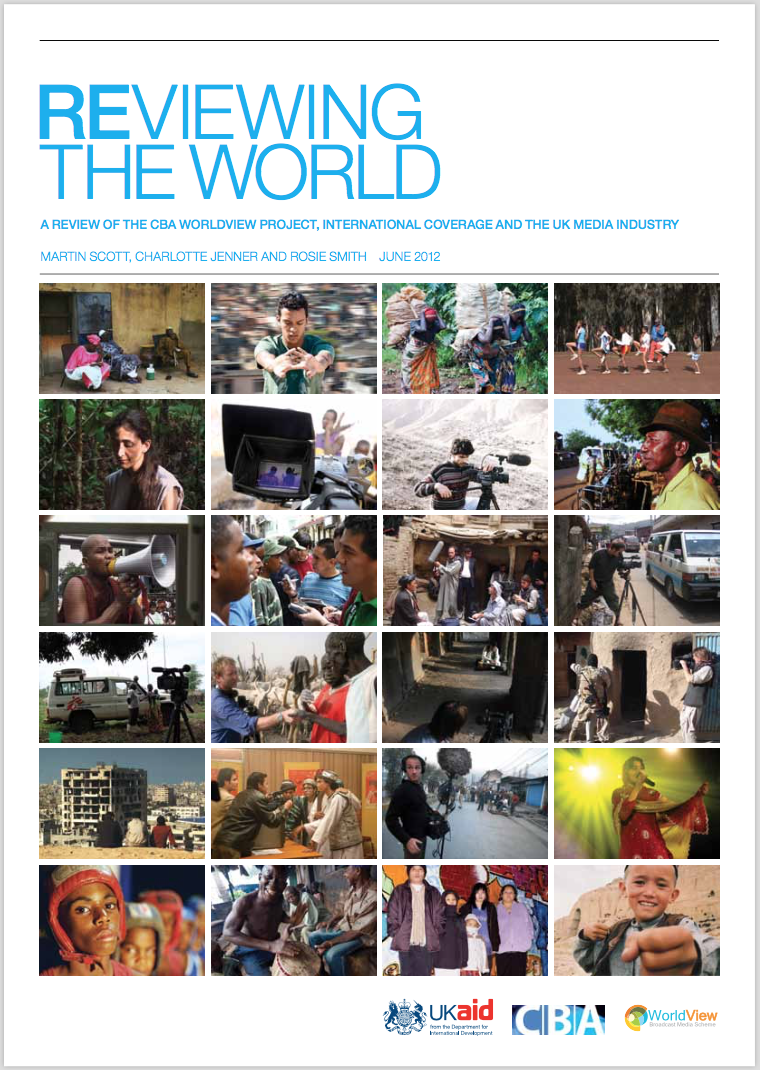
Reviewing the World
A review by Martin Scott, Charlotte Jenner and Rosie Smith of the WorldView project, international coverage and the UK media industry. A detailed impact study of a project that has worked to address barriers to media coverage of developing countries for over a decade through the seed-funding of documentaries.
Brave New World Service
The 2011 report looks into the future of the BBC World Service, prior to some of the largest funding cuts and institutional changes in its history. By John McCarthy with Charlotte Jenner.
A Road Map to Public Service Broadcasting
This 2012 book by Elizabeth Smith looks at countries that have established PSB or are in the process, to provide best practice and guidance for regions embarking on transition. It aims to open minds to the new opportunities offered to broadcasters by digital switchover to lead the way into interactive public service media.
Commonwealth Election Broadcasting
A set of guidelines drawn from a workshop held by the CBA and Commonwealth Secretariat with senior broadcasters from all over the Commonwealth. It upholds the ideal that all broadcast outlets, large or small, rich or poor have a public service duty to contribute to free and fair elections in any way they can.
Covering Elections in Small States
This report by Mary Raine focuses on the way in which elections are covered by broadcasters in small countries and the extent to which the journalistic principles of accuracy, integrity and objectivity are upheld.
Editorial Guidelines
Now in its fourth edition, this handbook by Mary Raine is designed to help broadcasters identify and adopt good practices that ensure sound coverage by the media which operate freely and fairly.
Guidelines for Broadcasters on Promoting UGC and Media and Information Literacy
How broadcasters around the world can encourage audiences to produce better quality user-generated content and to improve media and information literacy. By Martin Scott
Guidelines for Broadcasting Regulation
Supported by Unesco, this second edition is by Eve Salomon, an international media consultant specialising in broadcasting and press regulation and a former Director of Legal Services at the UK Radio Authority.
Handbook on Radio and Television Audience Research
Written by Graham Mytton, this handbook was published by Unicef and Unesco, and is a useful guide to the principles and practice of audience research.
Maximising Income and Controlling Costs in Small and Medium Broadcasting Operations
This handbook covers ways to maximise income and discusses various income streams, corporate planning, marketing plans and an in-depth look at budgeting. Lastly the author Mano Wilkramanayake looks at controlling costs with a detailed sample budget.
Media Literacy from the Perspective of Broadcasters and User-generated Content Producers Around the World
This report is based on a survey of 32 broadcasters around the world, focusing on their policies around three aspects of media literacy. By Lisa Stribbling and Martin Scott.
Media Management Manual
A handbook for television and radio practitioners in countries undergoing digital transition. By John Prescott Thomas.
Performance Measurement
A practical guide to key performance indicators and benchmarking in public broadcasting, by Fulvio Barbuio.
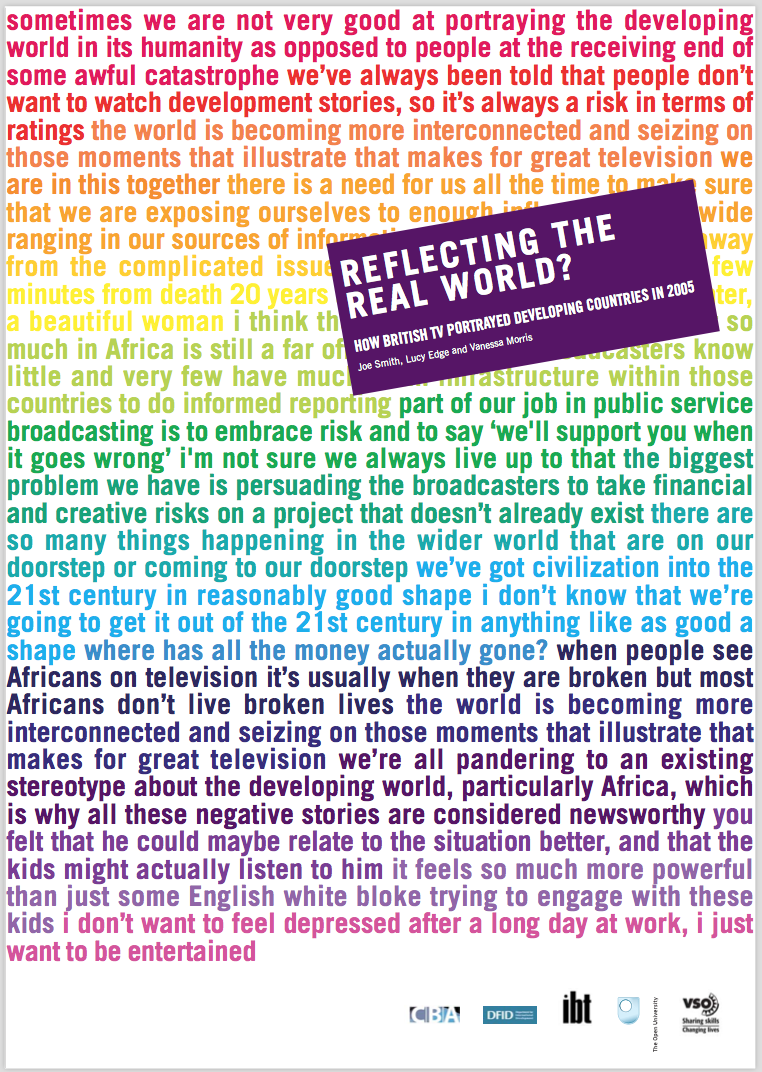
Reflecting the Real World?
Research by Joe Smith, Lucy Edge and Vanessa Morris on how British TV portrayed developing countries in 2005

The World in Focus
How UK audiences connected with the wider world and the international news content in 2009, researched and written by Martin Scott